

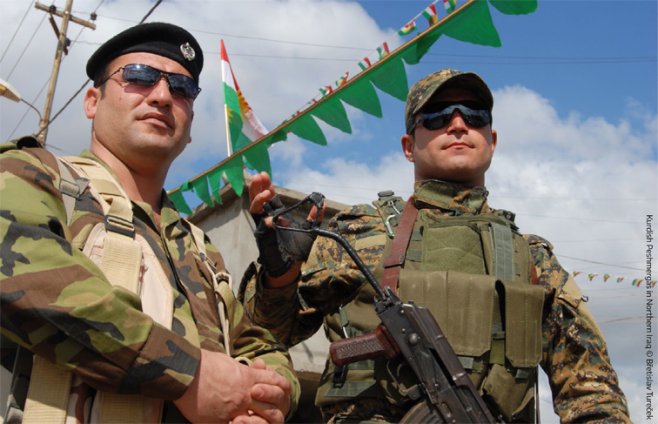
Middle Eastern Conflicts in Local Perspective
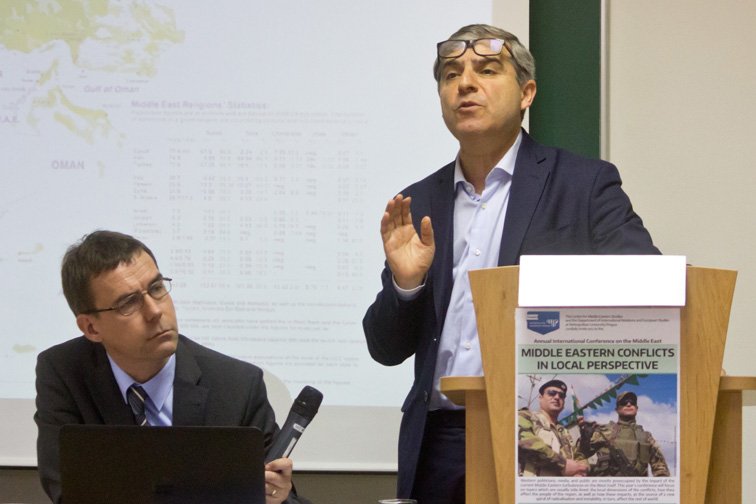
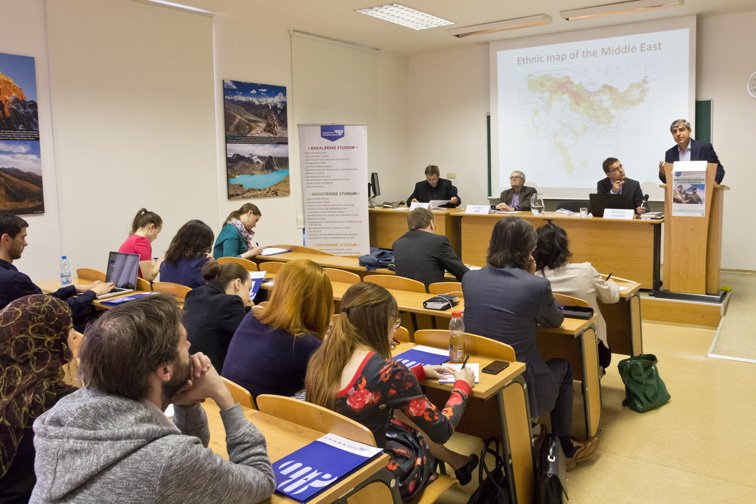
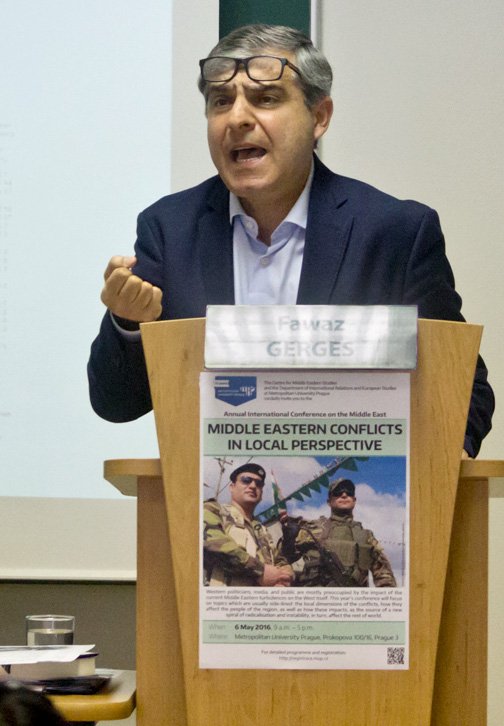
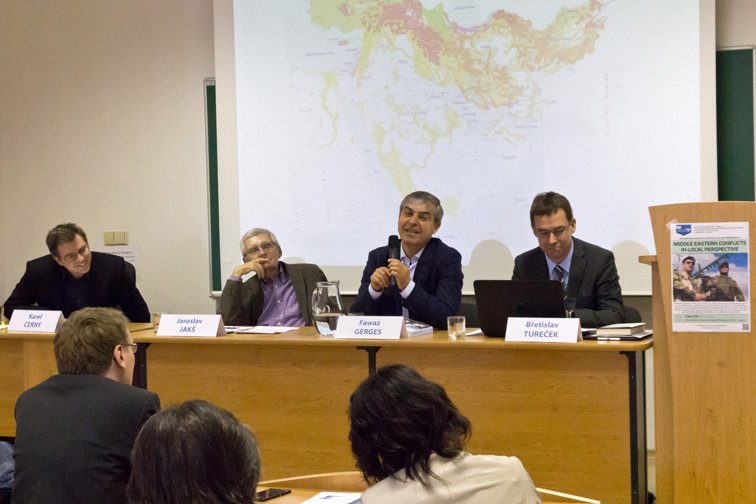
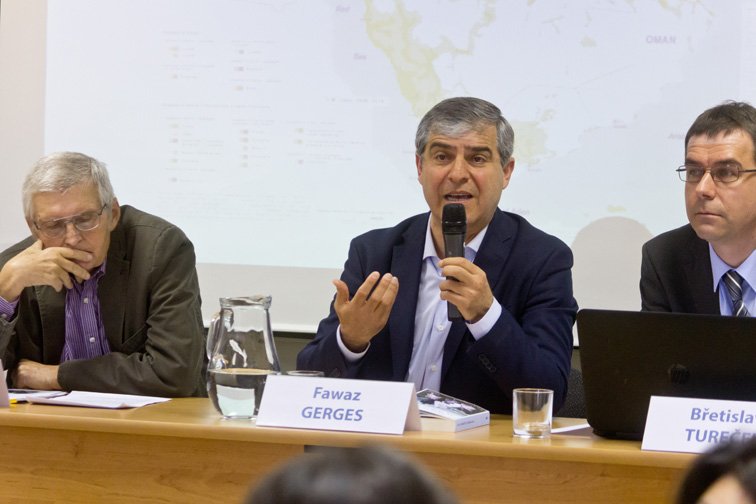
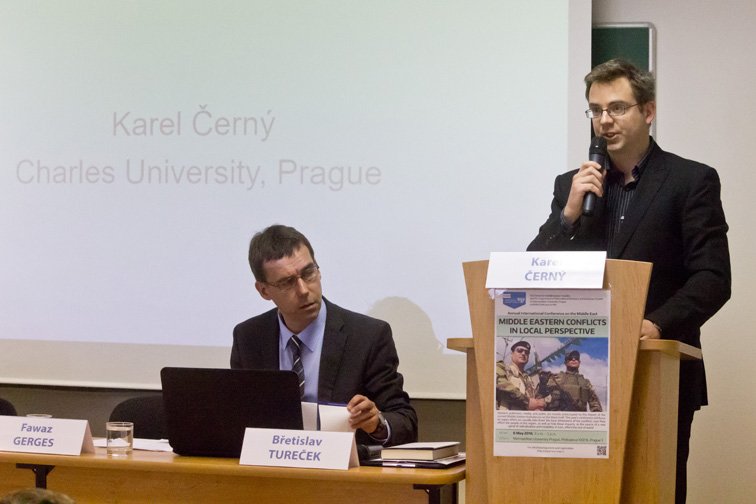
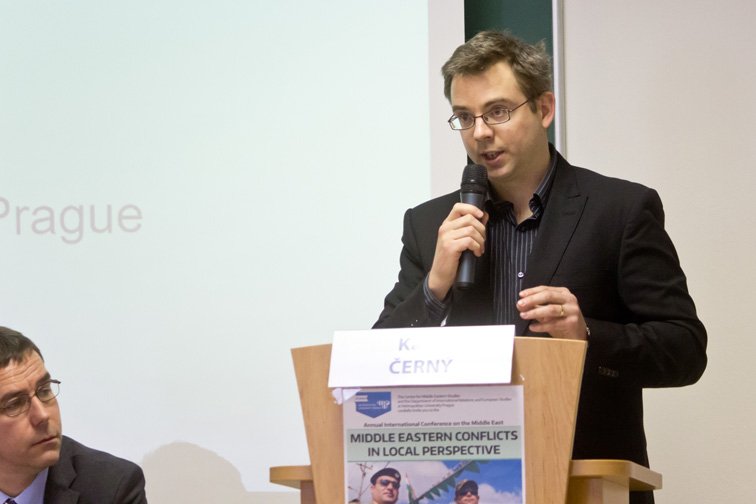
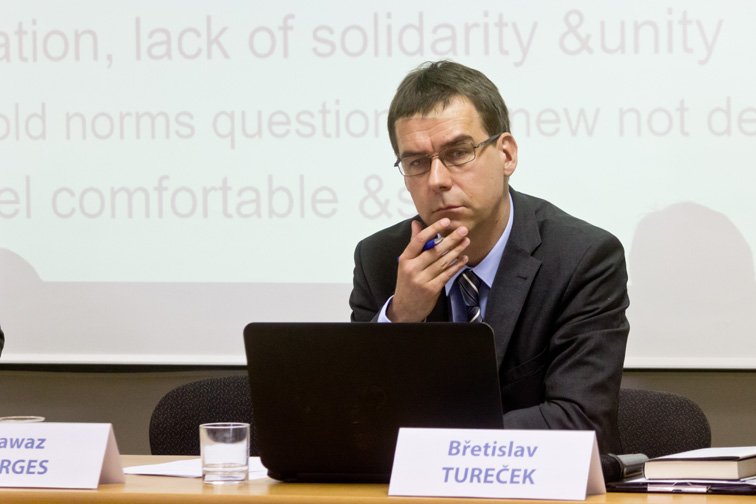
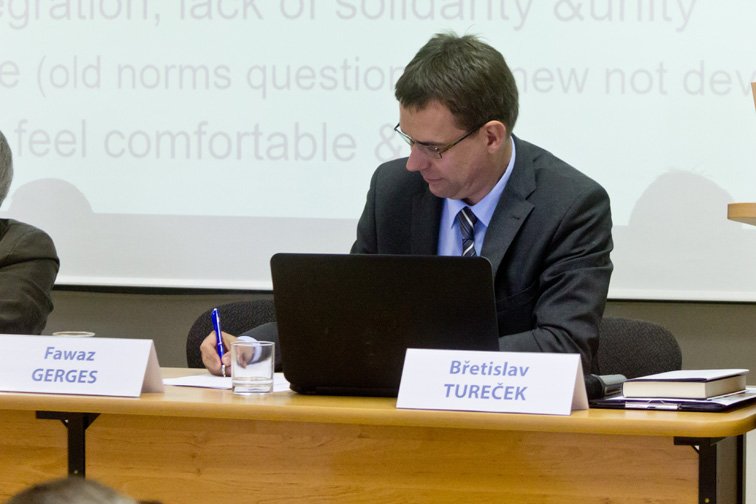
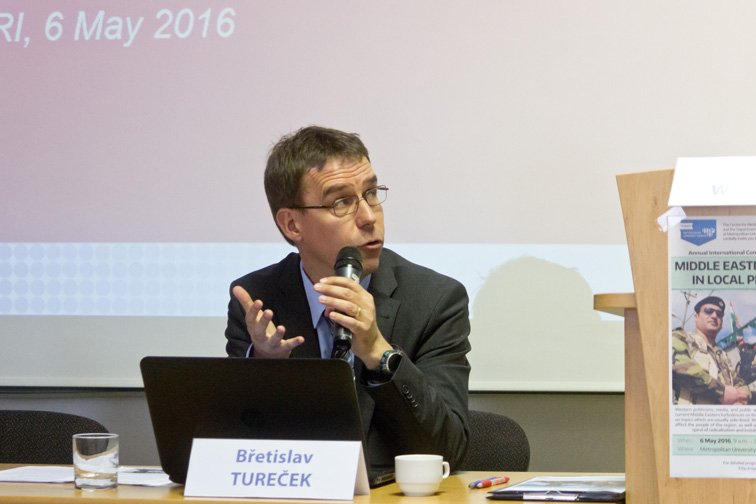
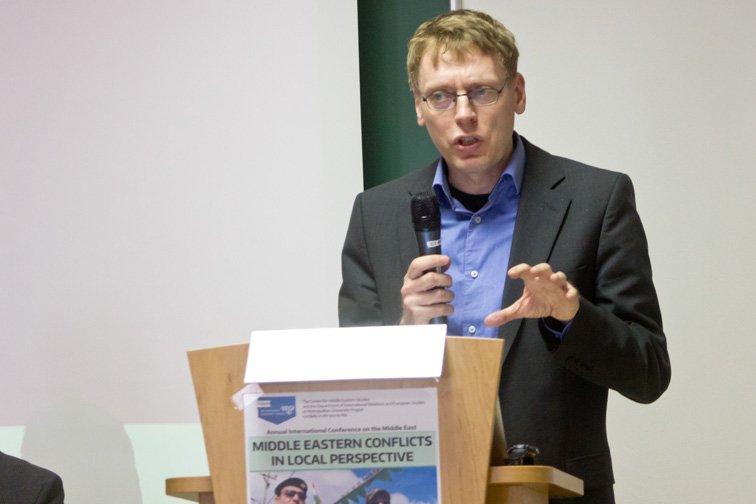
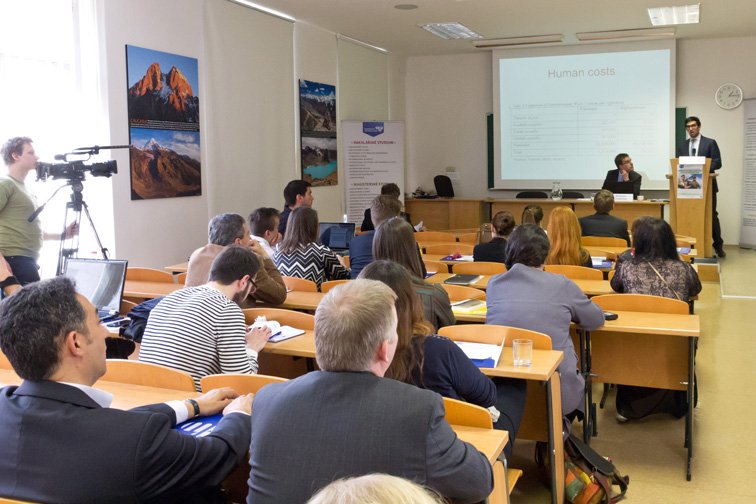
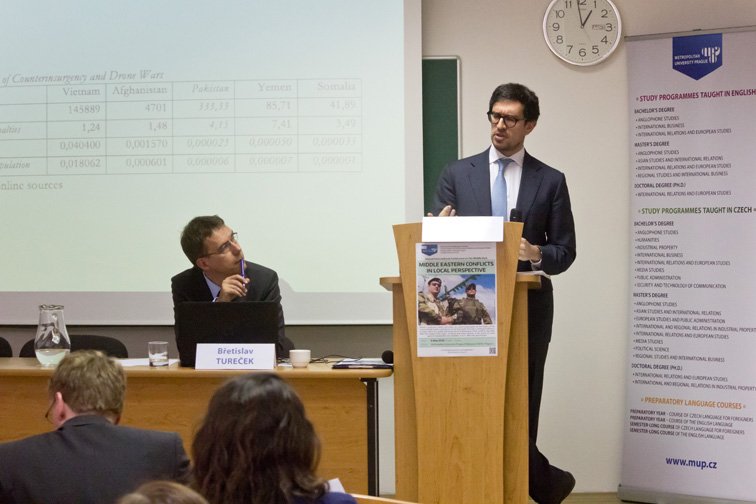
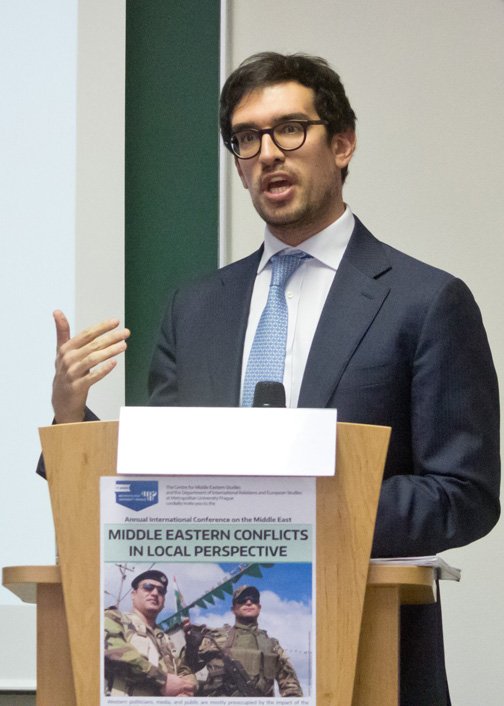
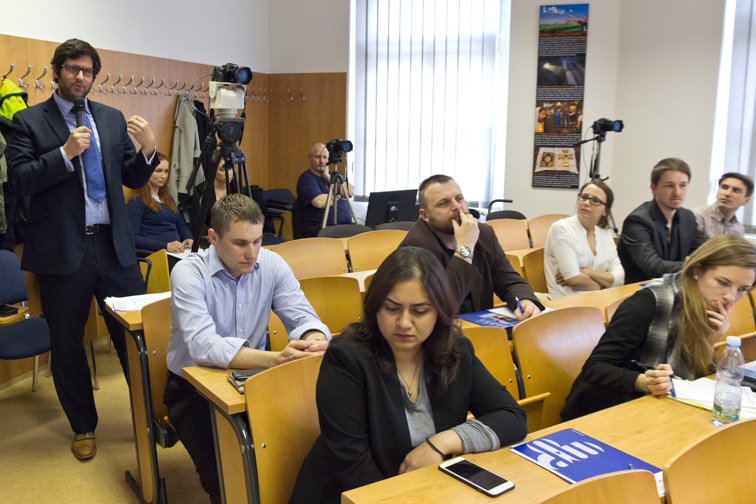
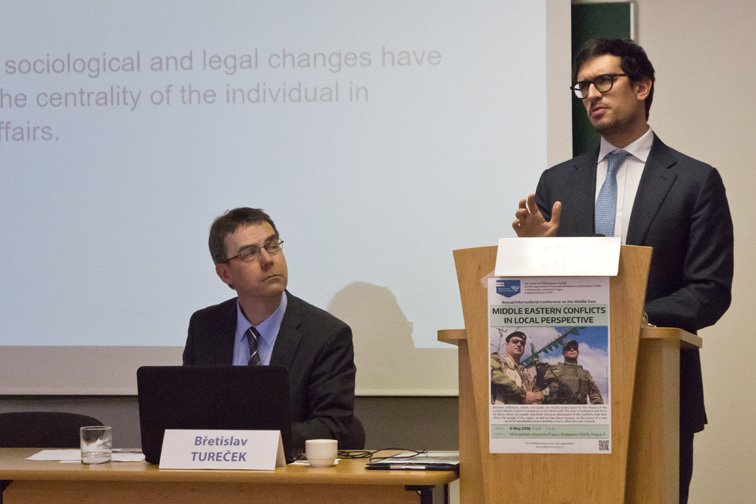
Western politicians, media, and public are mostly preoccupied by the impact of the current Middle Eastern turbulences on the West itself. “Had the Western leaders paid appropriate attention to the atmosphere in the Middle East a few years earlier, today we would be hardly surprised by the wave of refugees and migrants, or by the fact that many Middle Easterners prefer various radical groups over legitimate governments,“ says Břetislav Tureček, Head of the Centre for the Middle Eastern Studies at Metropolitan University Prague.Therefore the 2016 CMES conference focused on topics which are usually side-lined: the local dimensions of the conflicts, how they affect the people of the region, as well as how these impacts, as the source of a new spiral of radicalisation and instability, in turn, affect the rest of world.
Lectures recorded by kolektif.cz:
Part One
Part Two
Part Three
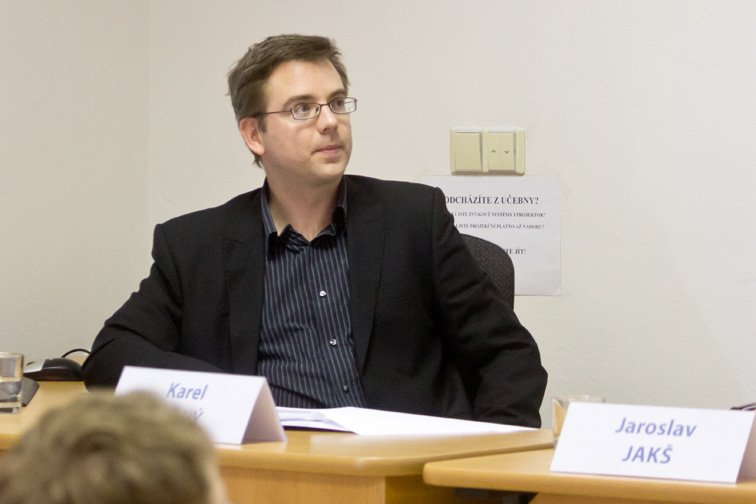
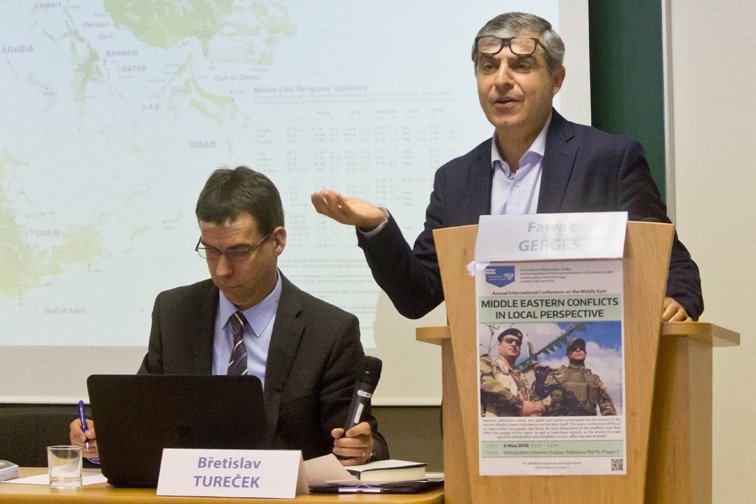
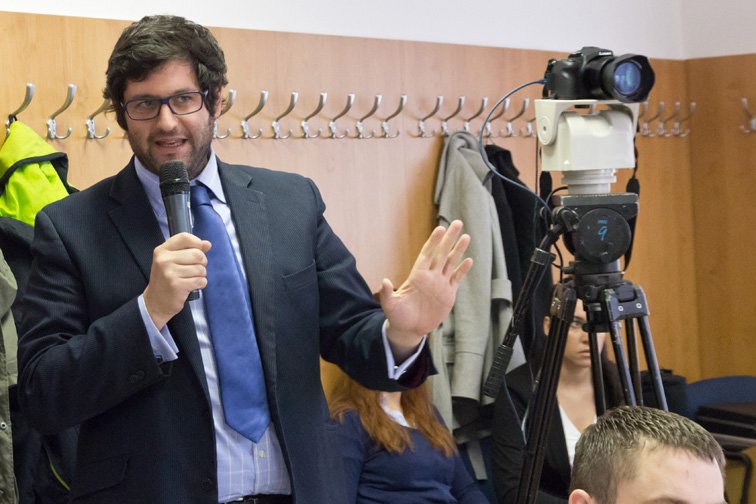
The Speakers
Other items from the/this section
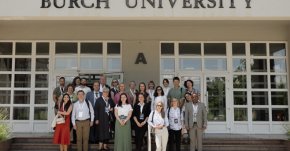 International Staff Week in Sarajevo
Last week, our colleagues from the International Office participated in the International Staff Week hosted by International Burch University in Sarajevo.
International Staff Week in Sarajevo
Last week, our colleagues from the International Office participated in the International Staff Week hosted by International Burch University in Sarajevo.
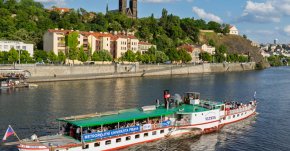 Metropolitan University Prague's Fleet Cruised the Waters of the Vltava
How should a university celebrate its twenty-fifth anniversary? What better way to mark the occasion than with a fleet of MUP steamboats cruising along the Vltava, offering panoramic views of Old Prague, Charles Bridge, Vyšehrad and other landmarks? That would certainly be something special. And that is exactly what happened!
Metropolitan University Prague's Fleet Cruised the Waters of the Vltava
How should a university celebrate its twenty-fifth anniversary? What better way to mark the occasion than with a fleet of MUP steamboats cruising along the Vltava, offering panoramic views of Old Prague, Charles Bridge, Vyšehrad and other landmarks? That would certainly be something special. And that is exactly what happened!
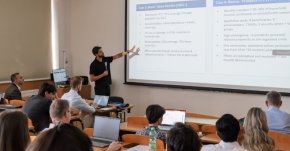 Globalization, Illicit Trade, Sustainability and Security COST Action
MUP hosted the Globalization, Illicit Trade, Sustainability and Security (GLITSS) COST Action Final Book Workshop from 18–20 May 2026 at Metropolitan University Prague.
Globalization, Illicit Trade, Sustainability and Security COST Action
MUP hosted the Globalization, Illicit Trade, Sustainability and Security (GLITSS) COST Action Final Book Workshop from 18–20 May 2026 at Metropolitan University Prague.