


EU Simulation Game
29. 4. 2016 Author: Jakub Watte Students had the unique opportunity to experience a decision making process of the European Union executive bodies.First simulated process was the European Council's settlement of the priorities for the coming year. Students, representing each member state, voted and together decided on the most important priorities. Second simulated process was the European Union Commission's decision concerning the merger of two airlines – Ryanair and Aer Lingus. Students representing the European Commissioners had to decide if the merger was in compliance with the EU's regulations concerning the competition policy. Another point on our agenda was the EU Commission's decision on Turkey's possible accession to the European Union. Students acting as Commissioners voted on whether or not Turkey would qualify as an EU Member State or not. Overall it was a very hands-on simulation that taught students how EU institutions act and how the decision making processes in Brussels are handled.


Other items from the/this section
 The SMILE Project Enters Its Final Phase: Focus on Practical Outputs and Workshops
The SMILE project, which aims to strengthen leadership skills, digital skills, and media literacy among young people in rural areas of the Danube region, entered its final year this fall.
 From MUP to the Czech Embassy in Tokyo
12. 11. 2026 Author: Adam Outrata
My name is Adam and I am a student of the 5th semester of my bachelor's degree in International Relations – European Studies. But currently I am an intern at the Embassy of the Czech Republic in Tokyo, Japan, in the commercial and economic section of the embassy. In addition to my studies at MUP, I got this opportunity thanks to an exchange study stay in Denmark at Aarhus University, where I studied Political Science.
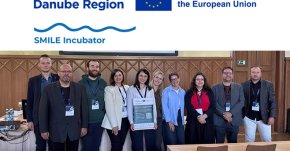 University Representatives and the SMILE Project Team at the CEPSA Anniversary Conference
The prestigious two-day conference organized to mark the 30th anniversary of the Central European Political Science Association (CEPSA) welcomed academics and scholars from all around Europe and the world. This significant event, which is a living proof of successful cross-border academic cooperation, offered a rich program full of panel discussions and round tables on various socioeconomic and political academic papers.