

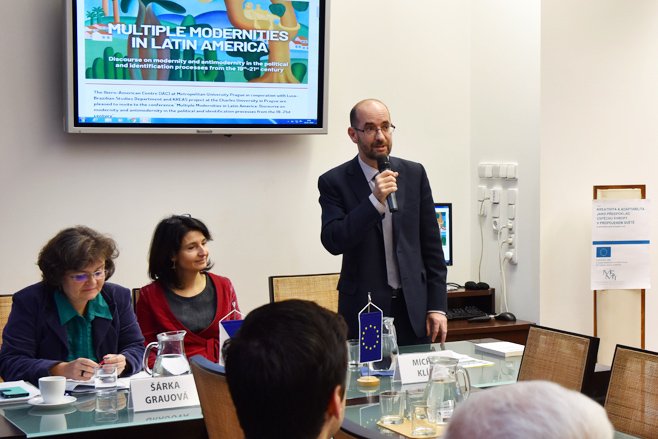
Multiple Modernities in Latin America
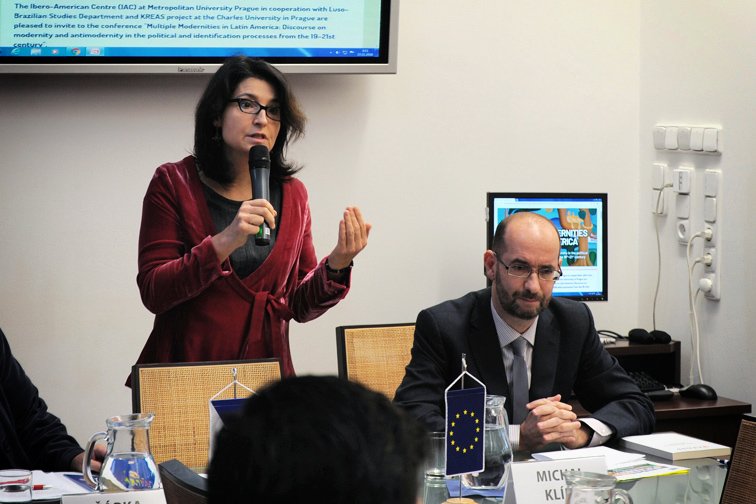
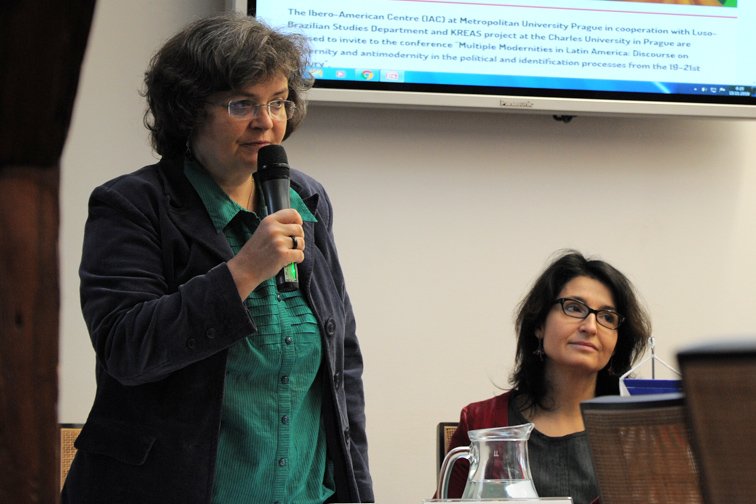
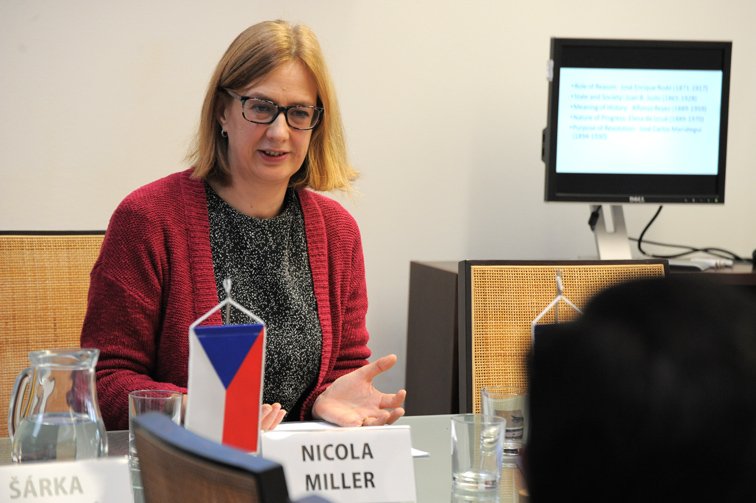
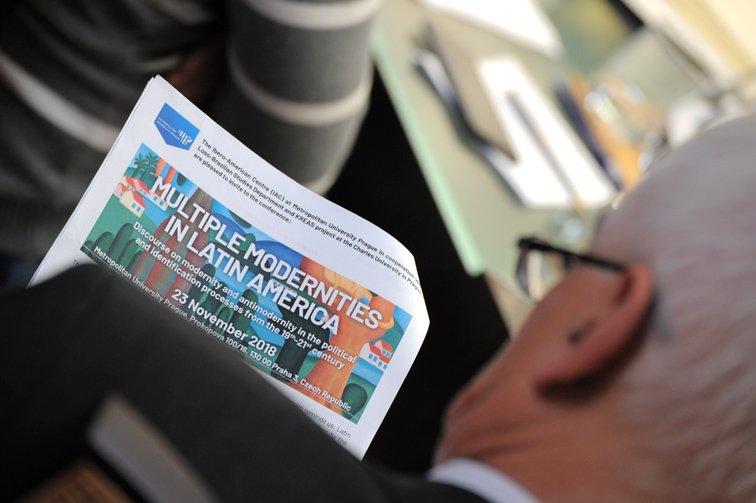
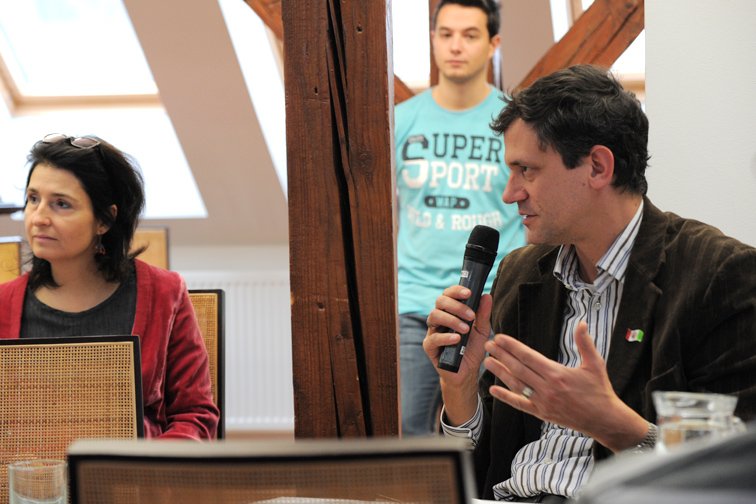
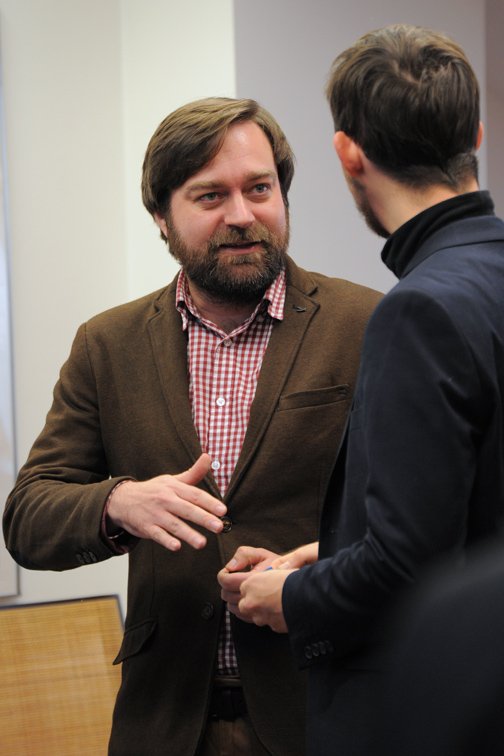
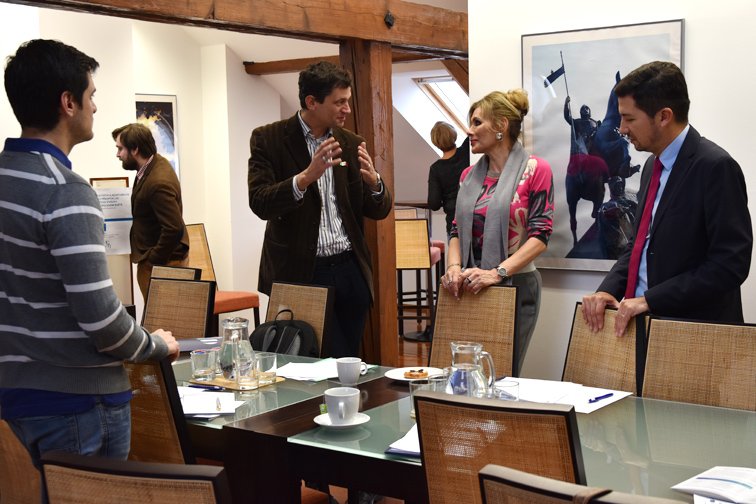
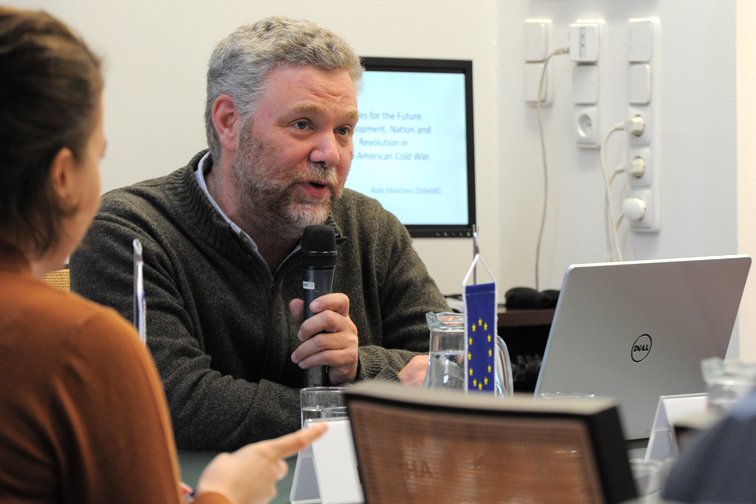
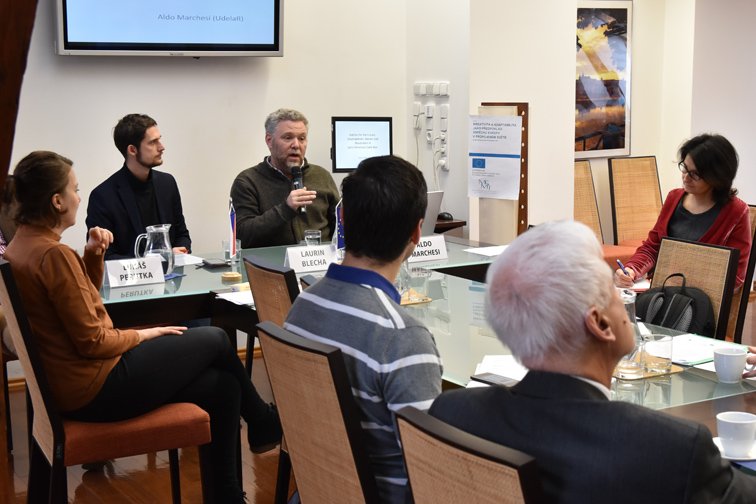
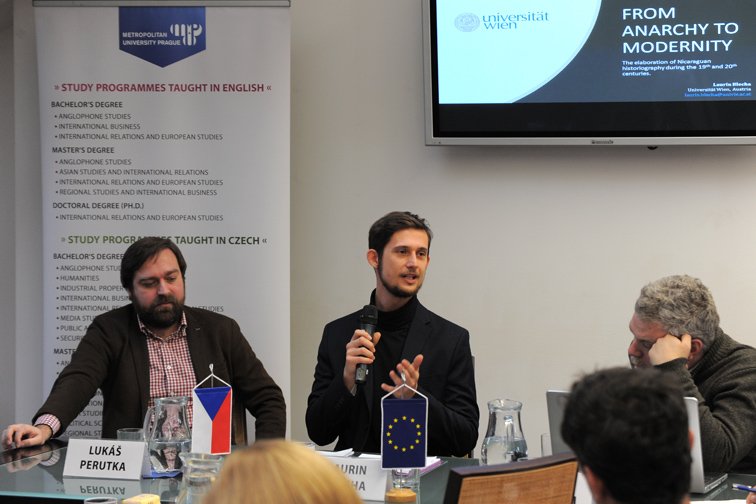
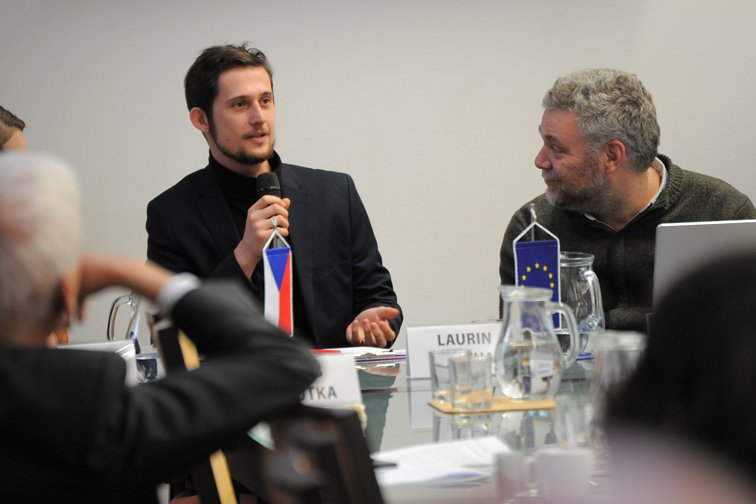
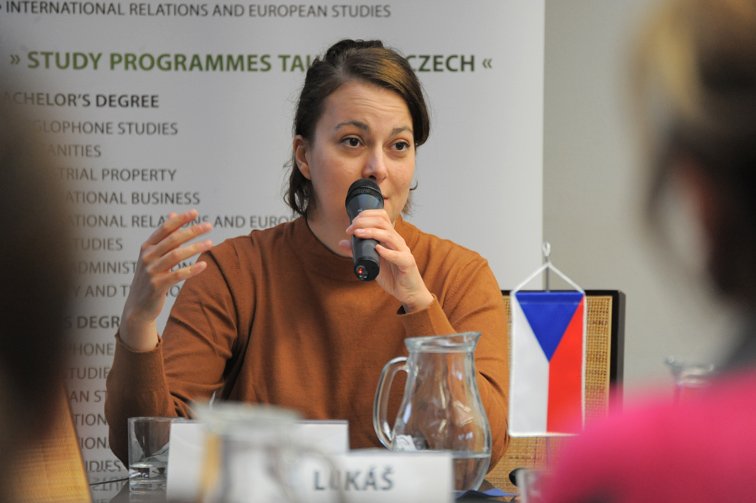
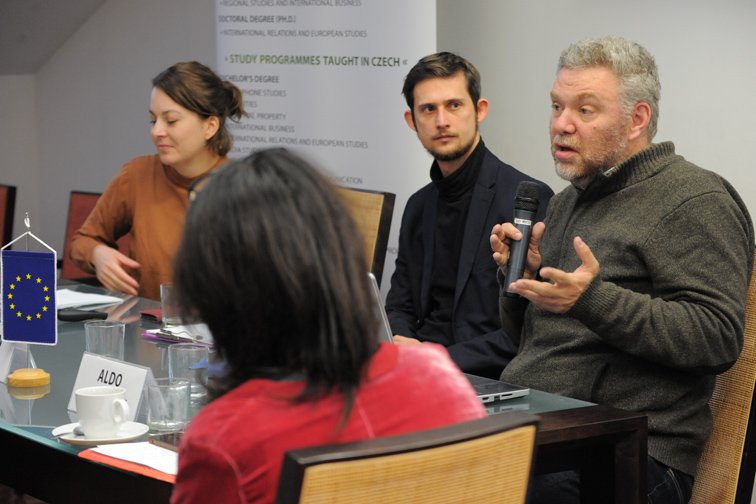
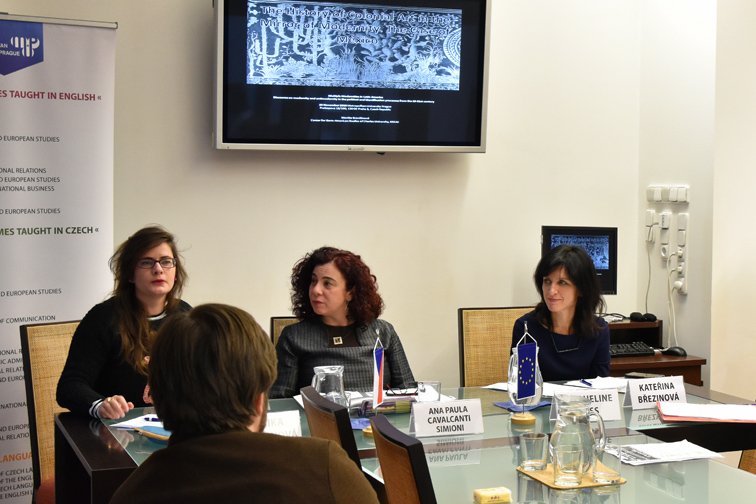
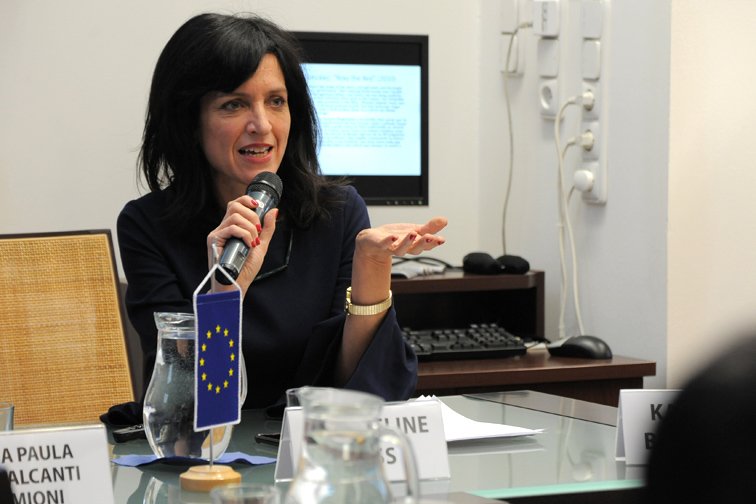
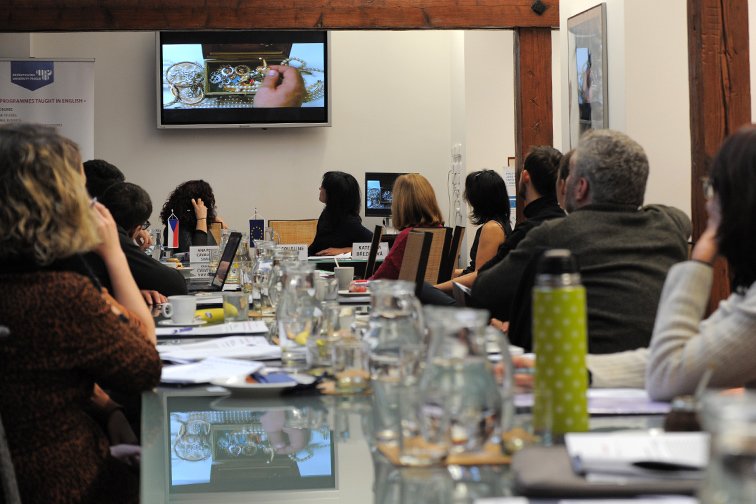
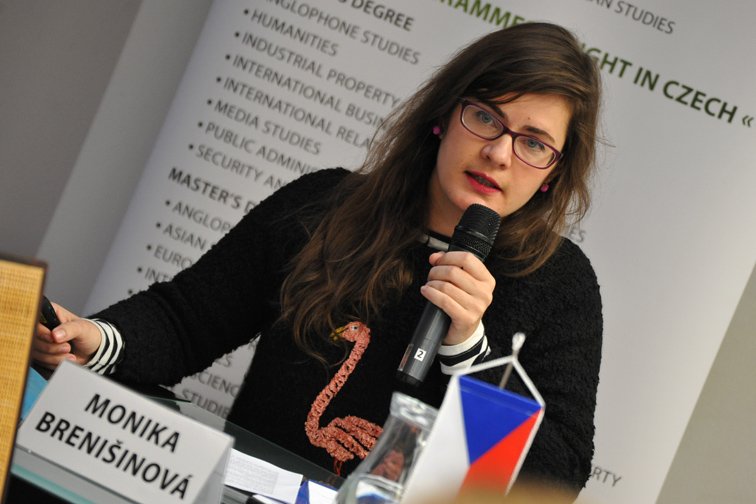
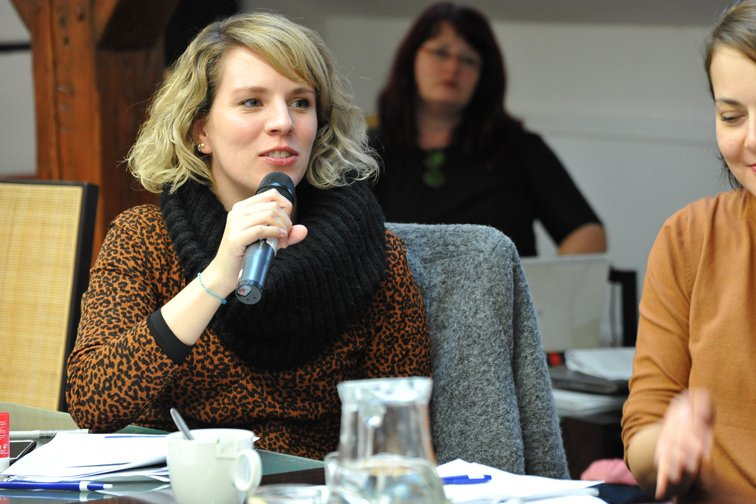
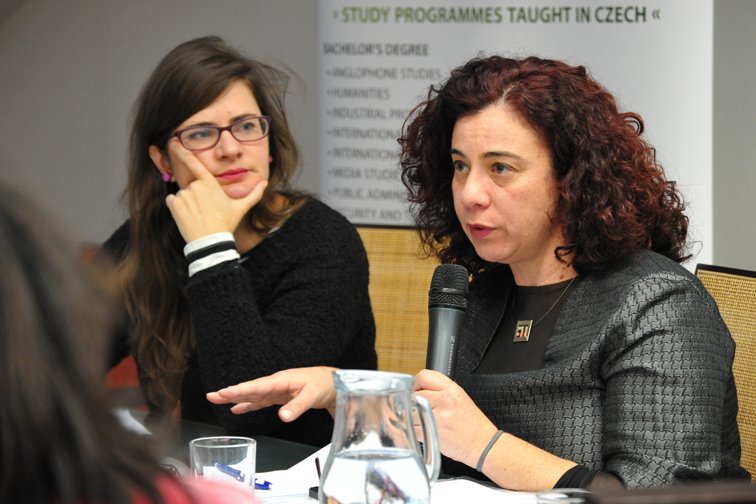
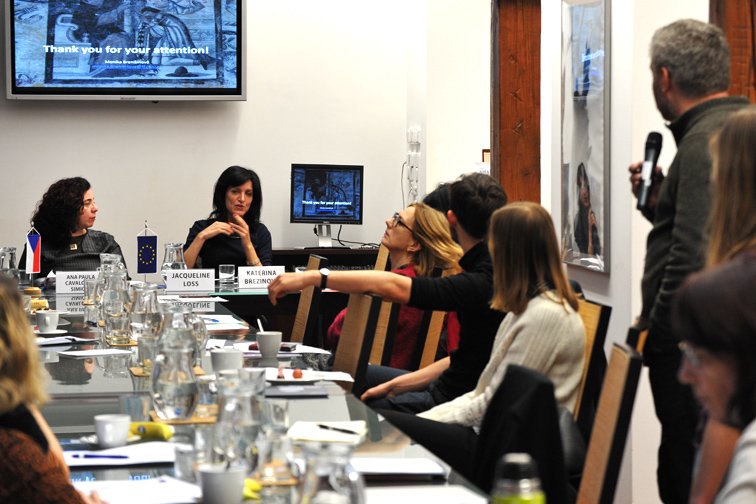
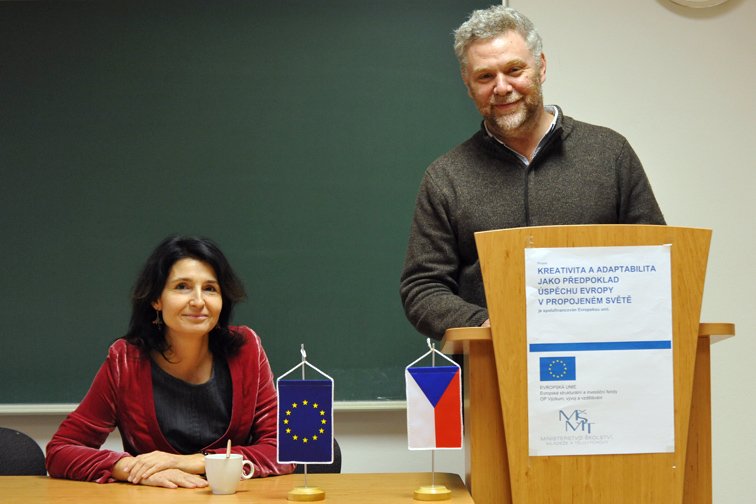
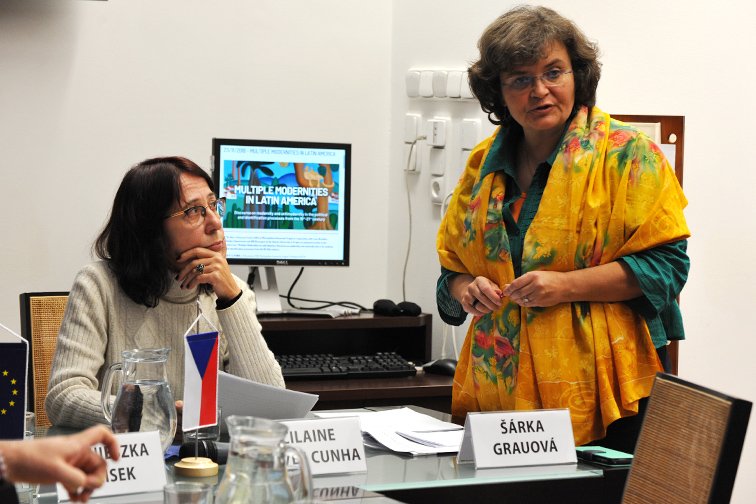
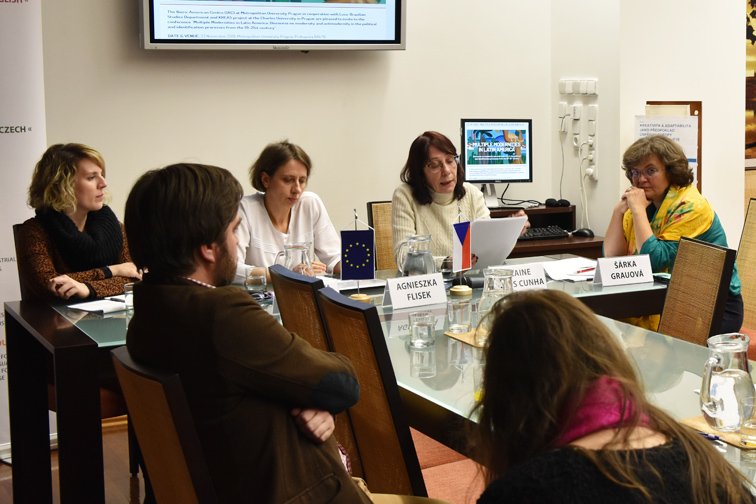
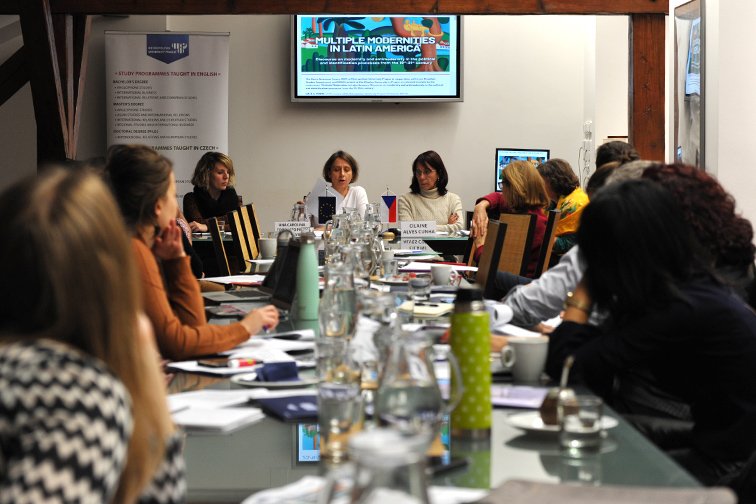
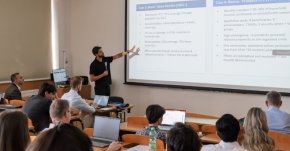
30. 11. 2018 Author: Kateřina Březinová The international congress held by the Iberoamerican Centre of the Metropolitan University Prague and Luso-Brazilian Studies Department and KREAS project of the Charles University in Prague examined the modes of thinking about how to become modern and how to make the societies better within the Ibero-American political and cultural space, that is in Hispanic America, as well as Brazil, Spain and Portugal. It inquired about the ways modernity and modernization were understood in the past, as well as in the present day’s political and cultural processes in the region.Scholars from Austria, Brazil, Czech Republic, Great Britain, Poland, Spain, Uruguay and the U.S. asked whether there have been specific Hispanic America’s, Brazilian or Iberian trajectories to modernity. Were the Enlightenment ideas conceived externally and imported to the region as a result of its colonial and postcolonial experience? In words of a keynote speaker, prof. Nicola Miller from the University College London, one salient theme in the debates about modernity was that Reason alone was an inadequate guide to making a better society and needed to be complemented by aesthetics, ethics and communication. A second major theme of Ibero-American debates about modernity was that the binary oppositions, such as traditional and modern, or universal and particular, that are embedded in modern north European thought were invalid in theory and dehumanising in practice.
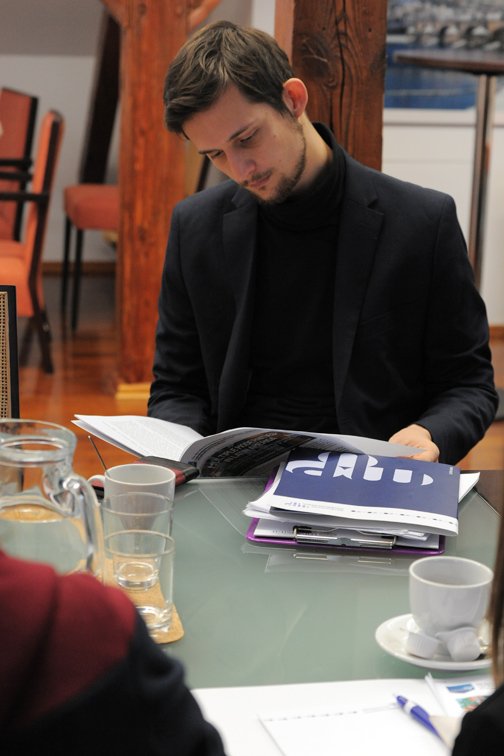
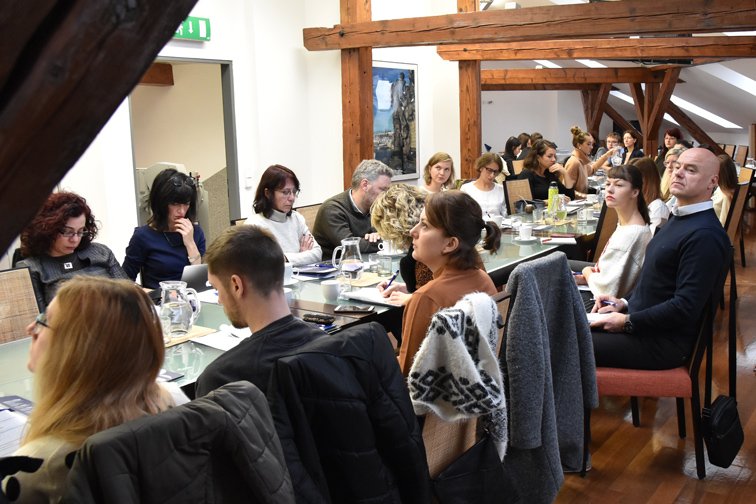
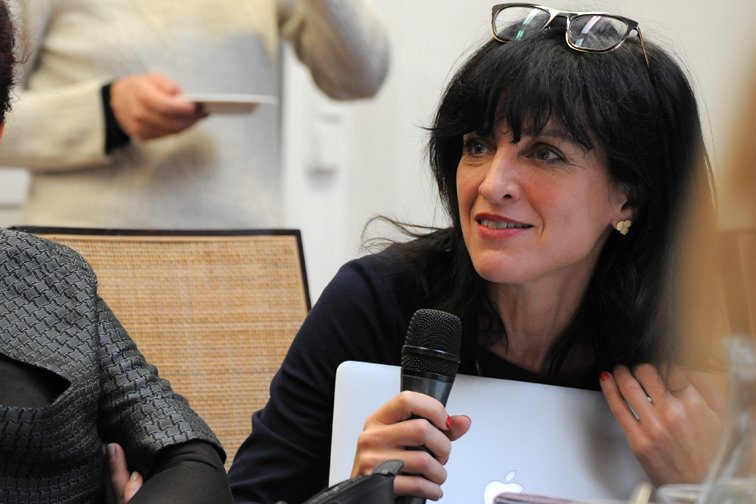
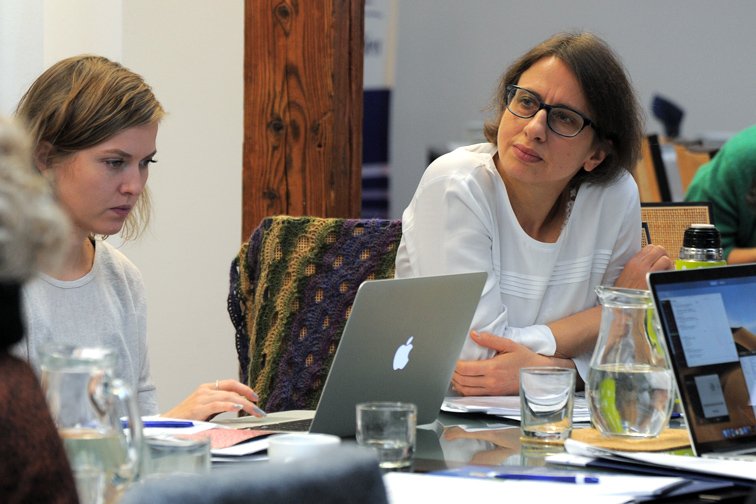
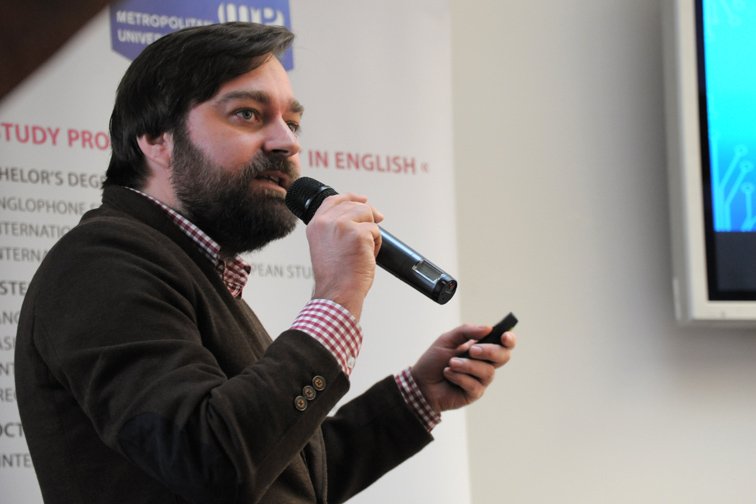
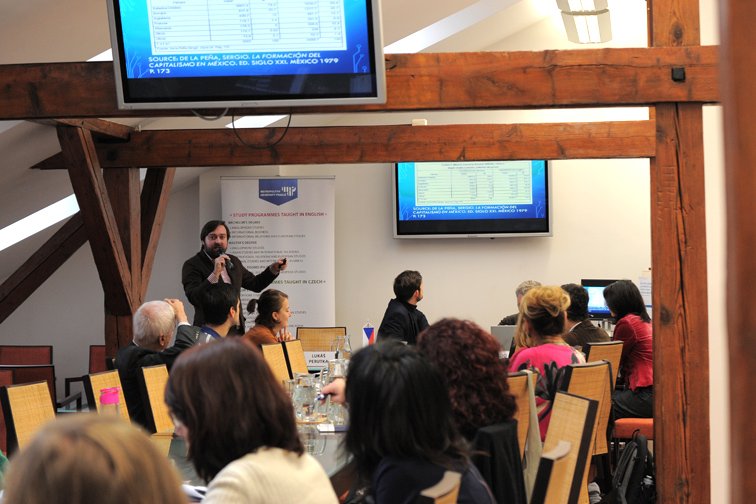
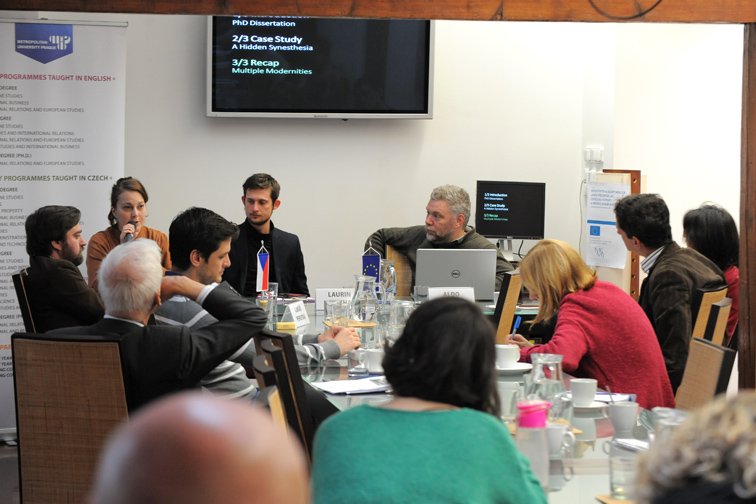
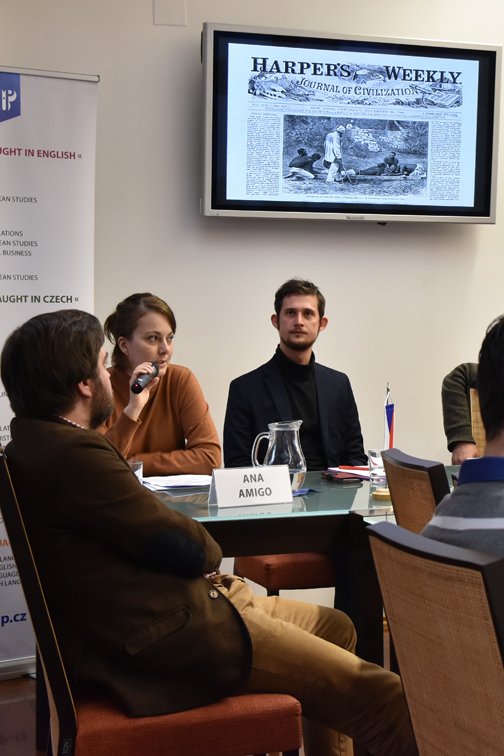
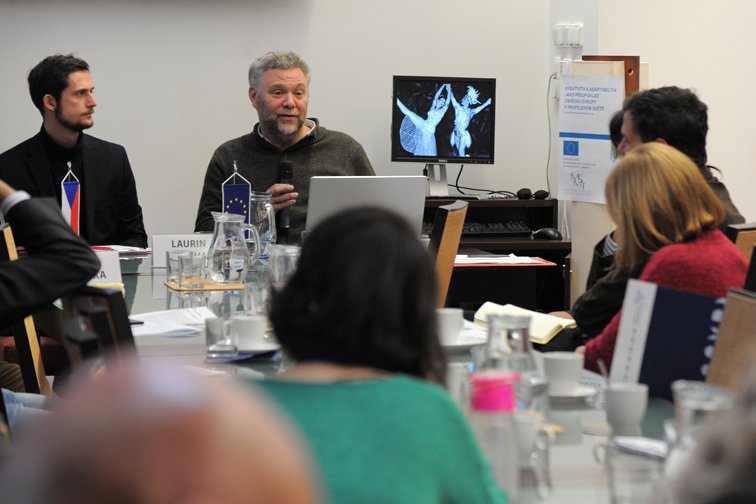
With several day-long sessions, including pre- and post-conference talks, lectures and informal meetings attracting over 100 assistants – among them academics, graduate students, undergraduate students, representatives of diplomatic corps, NGOs and other organizations – the conference provided a unique forum for expert debates on Latin America and the Ibero-American political and cultural space.
Other items from the/this section
 International Staff Week in Sarajevo
Last week, our colleagues from the International Office participated in the International Staff Week hosted by International Burch University in Sarajevo.
International Staff Week in Sarajevo
Last week, our colleagues from the International Office participated in the International Staff Week hosted by International Burch University in Sarajevo.
 Metropolitan University Prague's Fleet Cruised the Waters of the Vltava
How should a university celebrate its twenty-fifth anniversary? What better way to mark the occasion than with a fleet of MUP steamboats cruising along the Vltava, offering panoramic views of Old Prague, Charles Bridge, Vyšehrad and other landmarks? That would certainly be something special. And that is exactly what happened!
Metropolitan University Prague's Fleet Cruised the Waters of the Vltava
How should a university celebrate its twenty-fifth anniversary? What better way to mark the occasion than with a fleet of MUP steamboats cruising along the Vltava, offering panoramic views of Old Prague, Charles Bridge, Vyšehrad and other landmarks? That would certainly be something special. And that is exactly what happened!
 Globalization, Illicit Trade, Sustainability and Security COST Action
MUP hosted the Globalization, Illicit Trade, Sustainability and Security (GLITSS) COST Action Final Book Workshop from 18–20 May 2026 at Metropolitan University Prague.
Globalization, Illicit Trade, Sustainability and Security COST Action
MUP hosted the Globalization, Illicit Trade, Sustainability and Security (GLITSS) COST Action Final Book Workshop from 18–20 May 2026 at Metropolitan University Prague.