

Lant Pritchett from Harvard University delivered a lecture to students at MUP
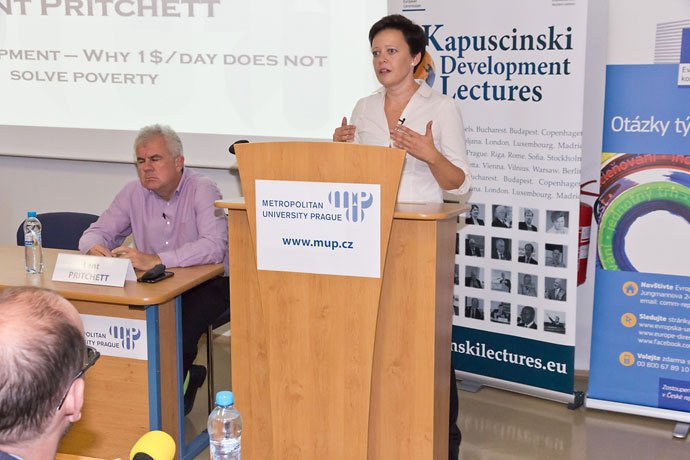
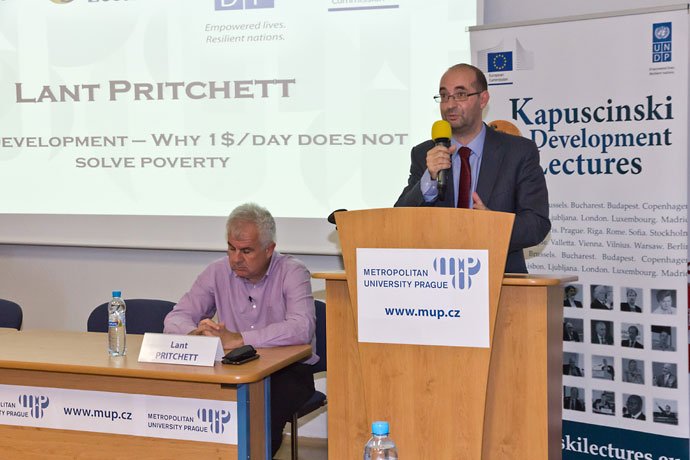
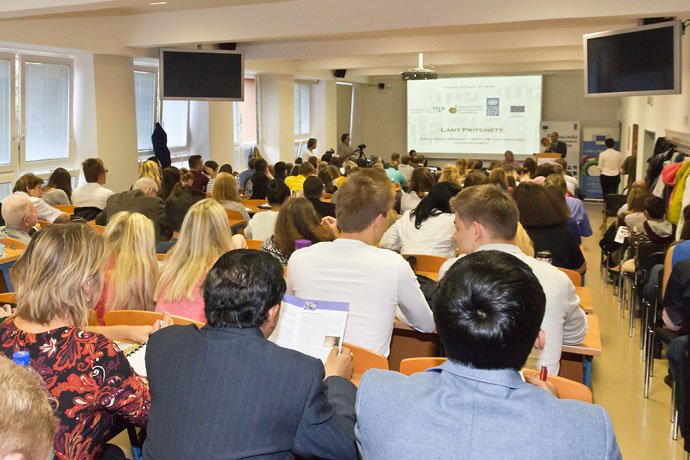
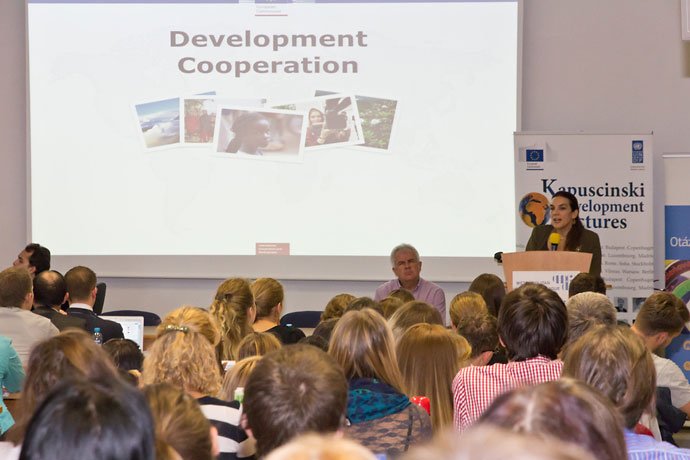
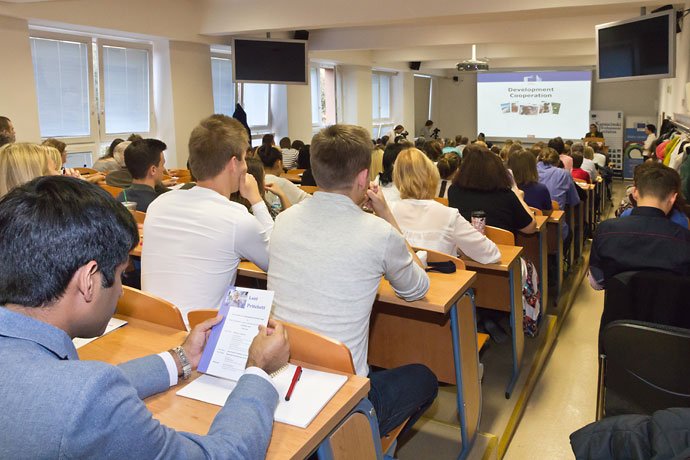
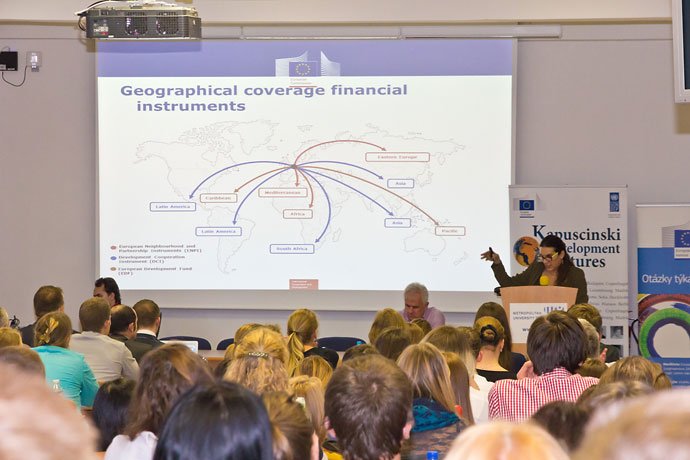
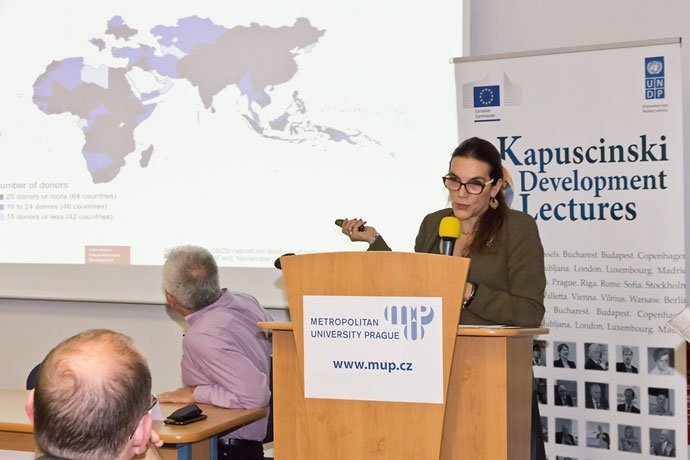
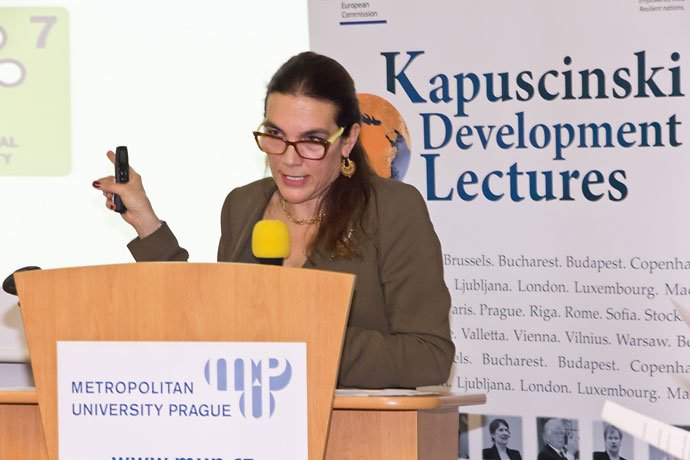
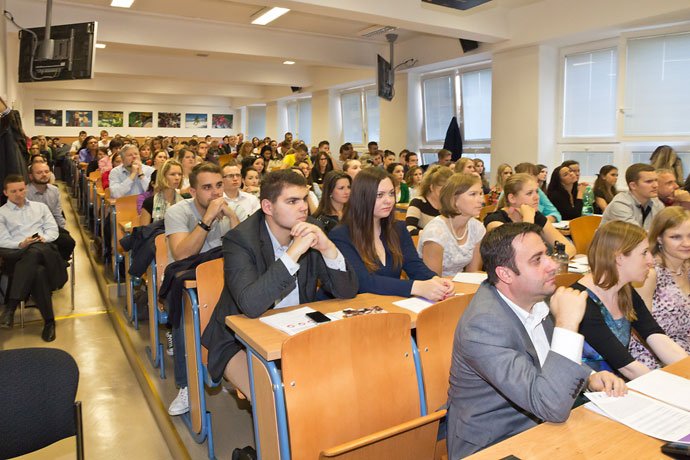
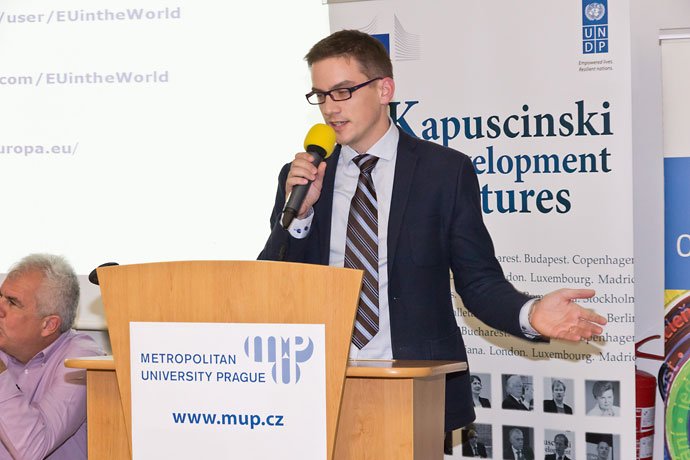
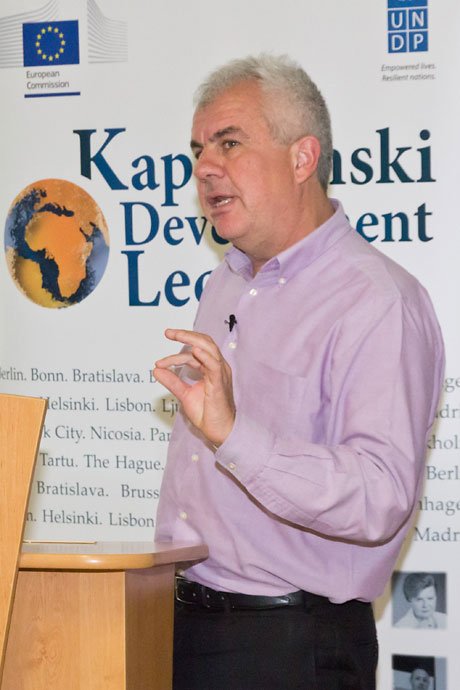
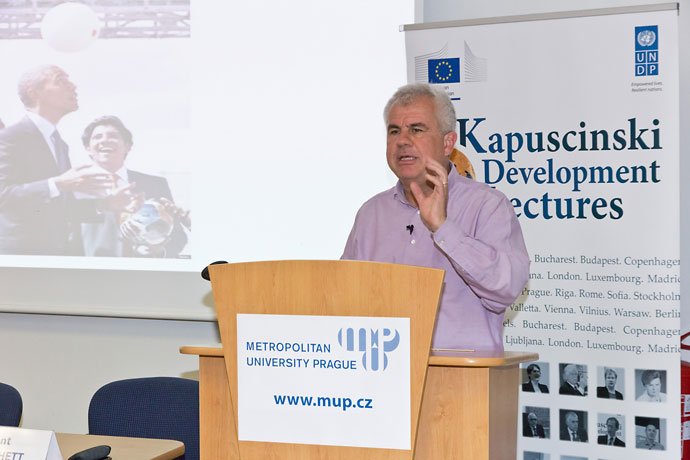
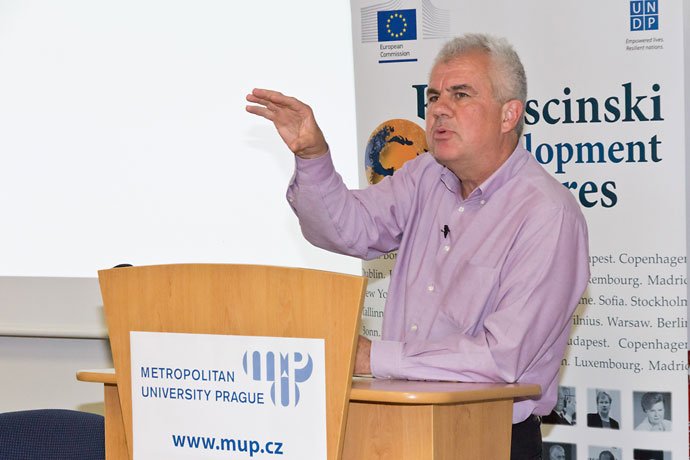
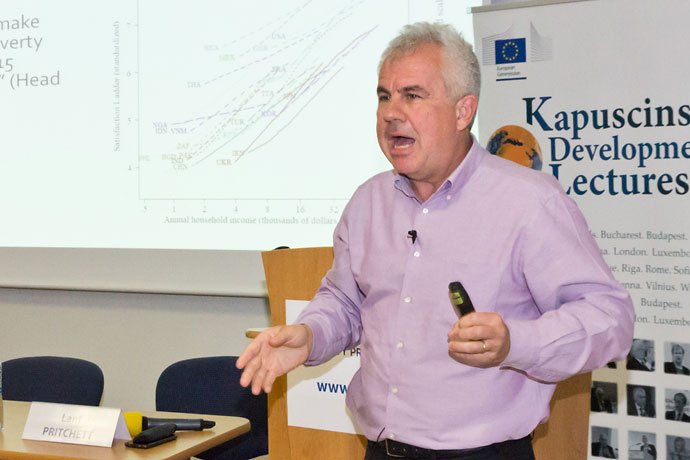
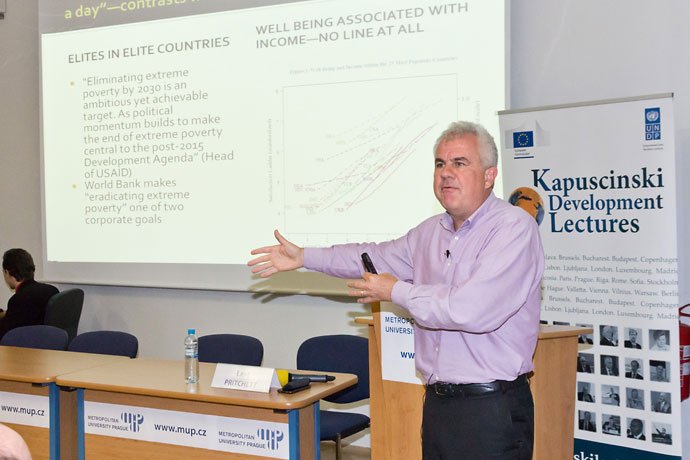
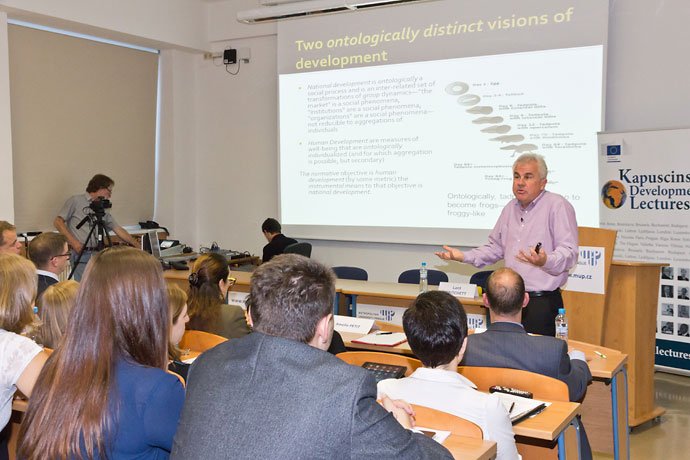
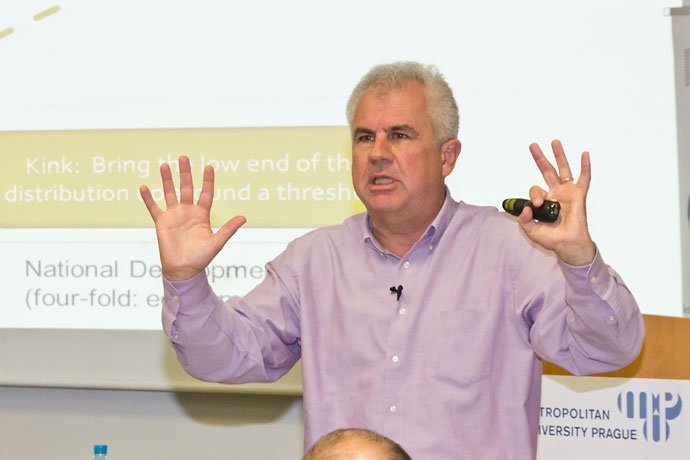
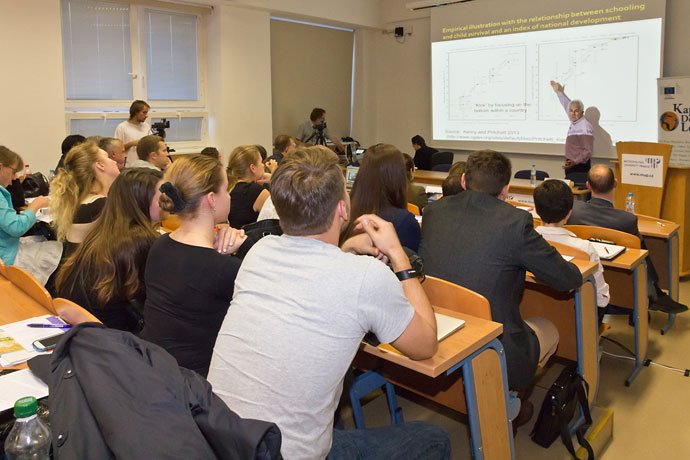
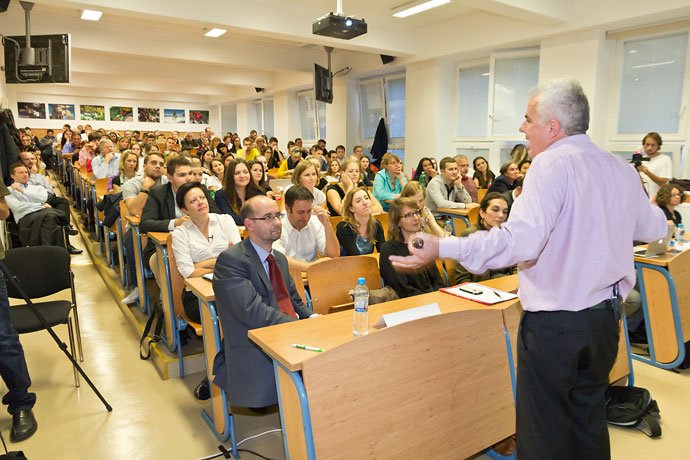
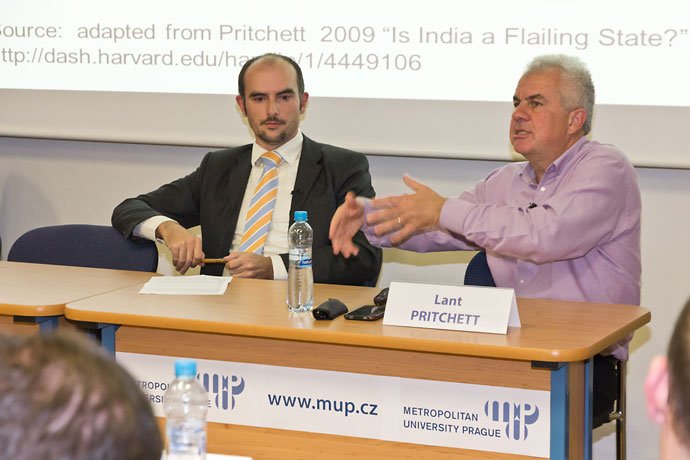
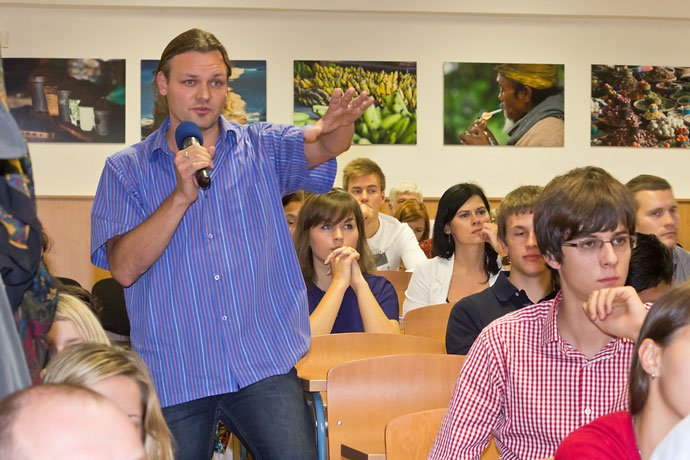
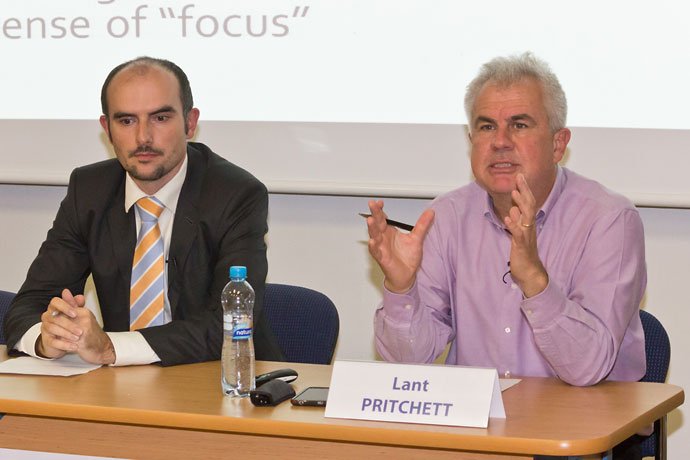
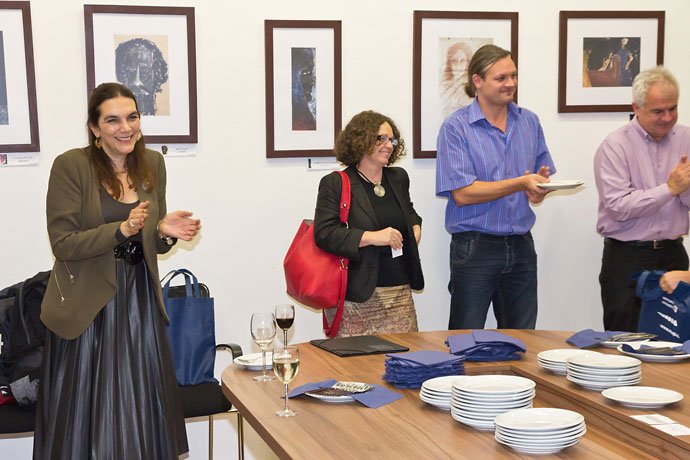
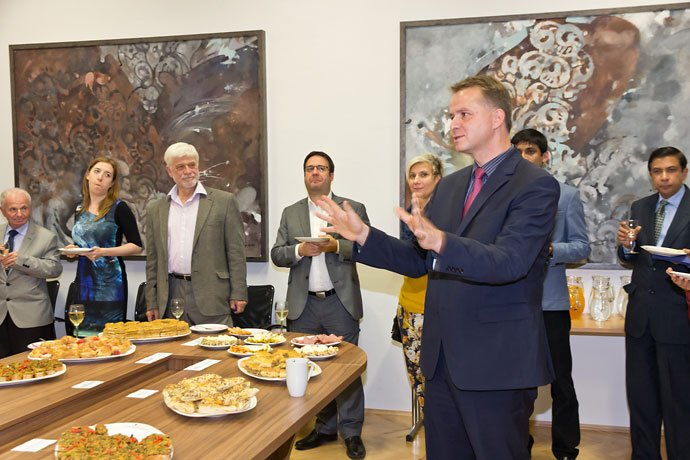
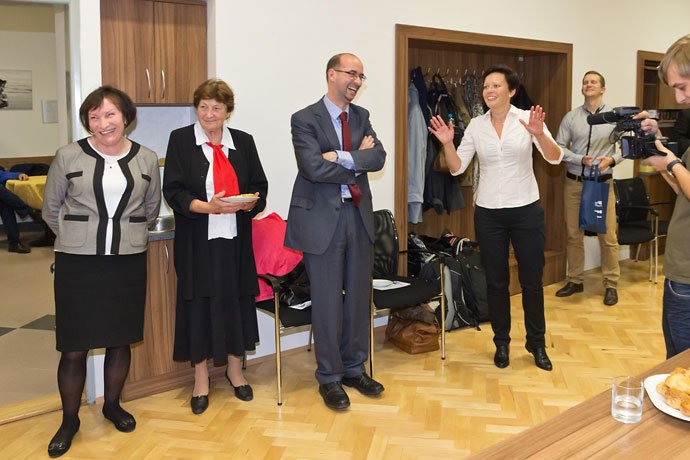
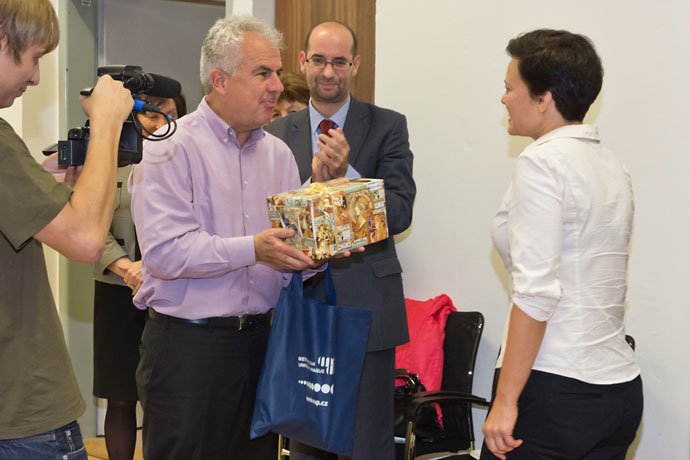
4. 11. 2014 10:54 Author: Tereza Němečková On October 15th, 2014, Professor of the Practice of International Development at the Kennedy School of Government at Harvard University - Mr. Lant Pritchett - visited the Metropolitan University Prague to deliver his guest lecture on "Kinky Development – Why '1$/day' does not solve poverty". This lecture was organized as a part of the Kapuscinski development lectures project, within which the top global thinkers discuss the development issues in various EU countries. For 2014, MUP (or its Department of International Business respectively) became the only partner of the project in the Czech Republic.During the lecture, Lant argued that the Millennium Development Goals (MDGs) were set too low for most of the developing countries. He calls this "kinky development". "Kinky" meaning that in each domain of the MDGs, according to Lant, very low bar goals have been set. For example, he explained why he is against the "1 dollar/day measurement" as the central agenda of development. "Would anybody in developed world consider living on 1 dollar/day as a success? Why any developing country should adopt goals that all developed countries consider as very low and nobody there would want to live like that? Why primary schooling when every developed country shoots for universal secondary? Why just a few diseases when every developed country shoots for universal health care access?" Besides that, Lant argued that there is no real change in the quality of life of people who reach the level of 1 dollar/day, meaning that this measurement is rather a fiction than a real measurement of the success. Lant also argued that the majority of population in developing countries currently ranks among the middle class, which only supports the elites in their countries to focus on more ambitious goals than those set by MDGs. His observations are based on research done with Charles Kenny from Centre for Global Development, which could be downloaded here.
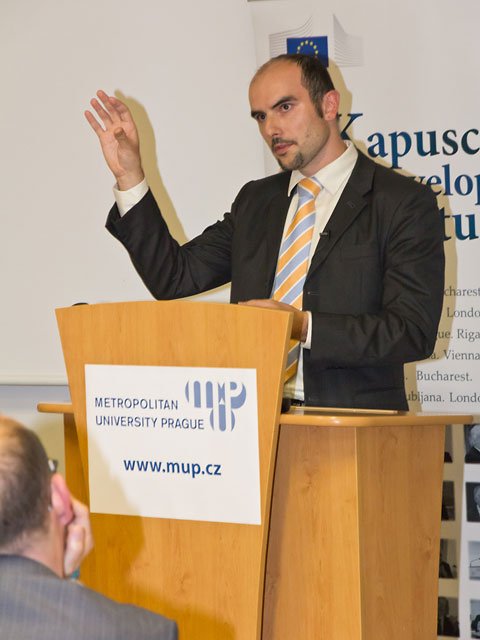
Valuable guests attended the lecture. To name a few of them, Ms Androulla Kaminara and Ms Amélie Petit from the European Commission, Mr Jan Szczycinski and Mr Daniel Hanšpach from UNDP, Mr Jan Michal from the Representatiton of European Commission in the Czech Republic, or Mr Michal Kaplan, Head of the Czech Development Agency who accepted the role of the main discussant.
You can watch the lecture if you missed it. Should you want to know what else the Department of International Business plans to do for students, follow the MUP website, or join us on Facebooku.
Tereza Němečková
Department of International Business
Lant Pritchett – Saturday Night Live Satirizes Kinky Development


Other items from the/this section
 International Staff Week in Sarajevo
Last week, our colleagues from the International Office participated in the International Staff Week hosted by International Burch University in Sarajevo.
International Staff Week in Sarajevo
Last week, our colleagues from the International Office participated in the International Staff Week hosted by International Burch University in Sarajevo.
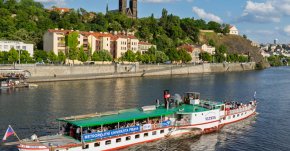 Metropolitan University Prague's Fleet Cruised the Waters of the Vltava
How should a university celebrate its twenty-fifth anniversary? What better way to mark the occasion than with a fleet of MUP steamboats cruising along the Vltava, offering panoramic views of Old Prague, Charles Bridge, Vyšehrad and other landmarks? That would certainly be something special. And that is exactly what happened!
Metropolitan University Prague's Fleet Cruised the Waters of the Vltava
How should a university celebrate its twenty-fifth anniversary? What better way to mark the occasion than with a fleet of MUP steamboats cruising along the Vltava, offering panoramic views of Old Prague, Charles Bridge, Vyšehrad and other landmarks? That would certainly be something special. And that is exactly what happened!
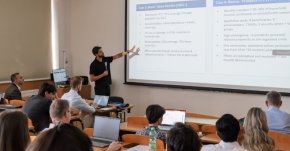 Globalization, Illicit Trade, Sustainability and Security COST Action
MUP hosted the Globalization, Illicit Trade, Sustainability and Security (GLITSS) COST Action Final Book Workshop from 18–20 May 2026 at Metropolitan University Prague.
Globalization, Illicit Trade, Sustainability and Security COST Action
MUP hosted the Globalization, Illicit Trade, Sustainability and Security (GLITSS) COST Action Final Book Workshop from 18–20 May 2026 at Metropolitan University Prague.