

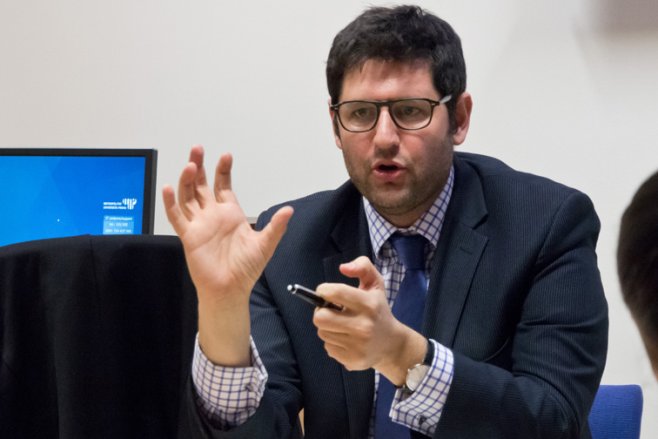
How to Win an Argument?!
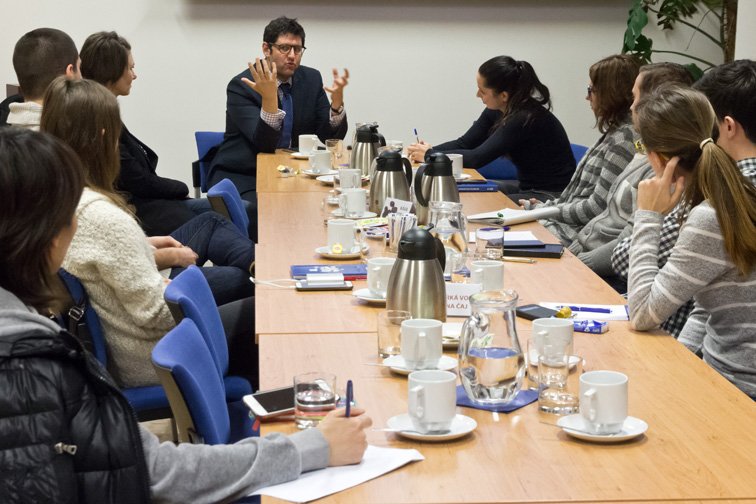
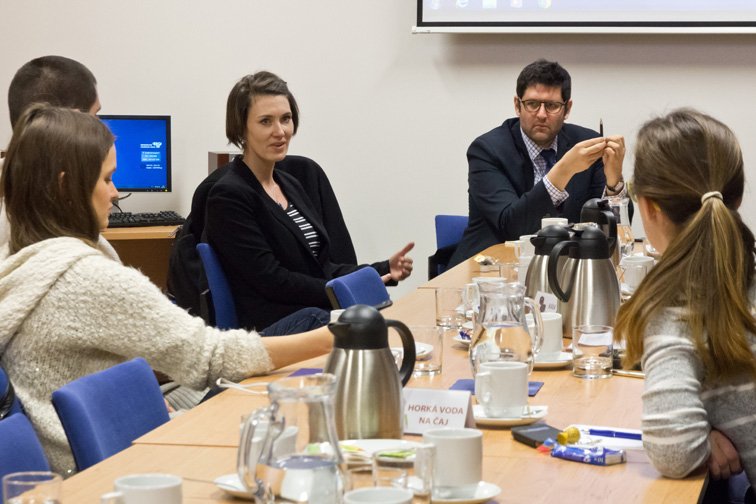
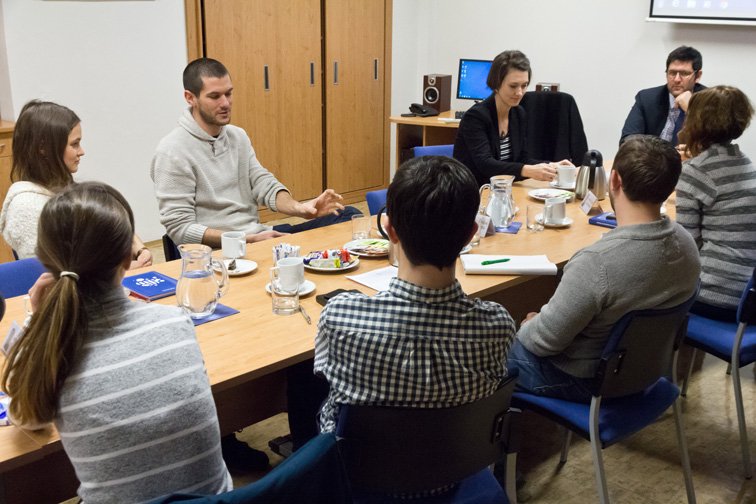
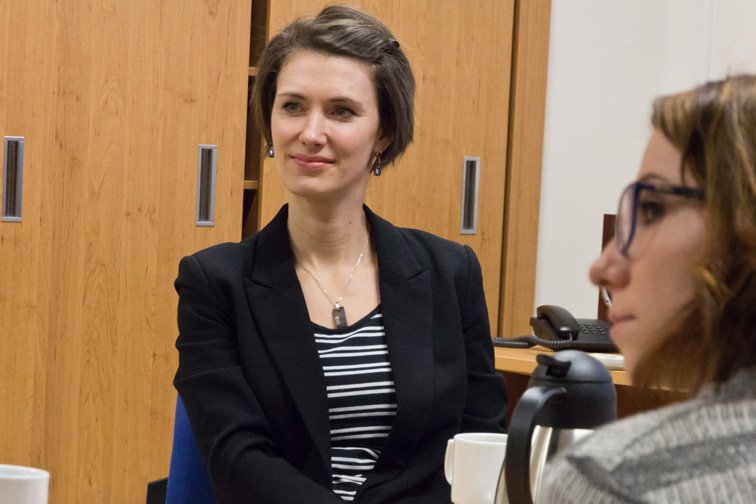
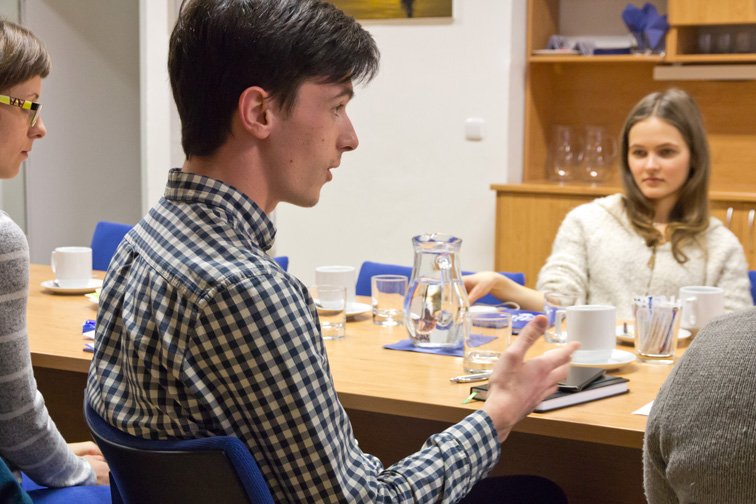
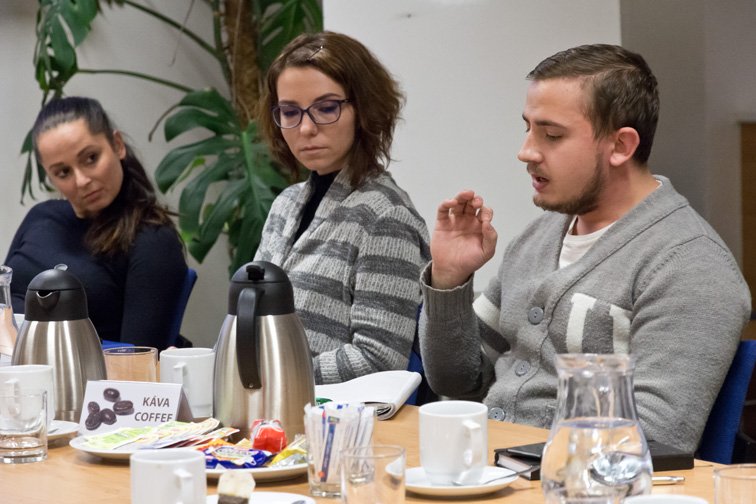
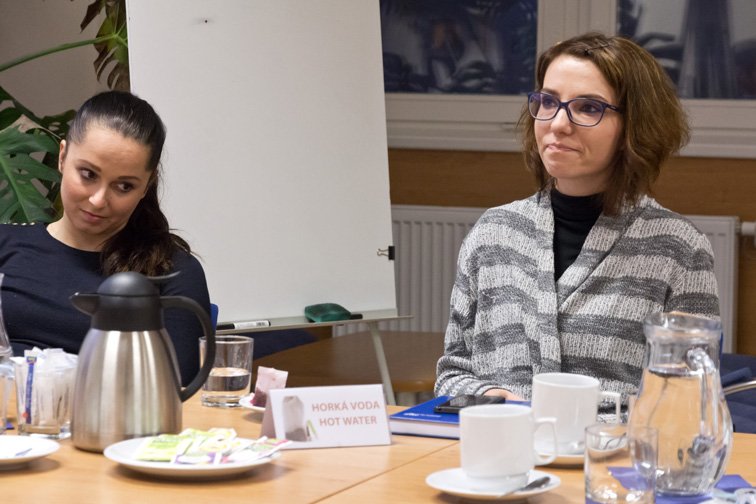
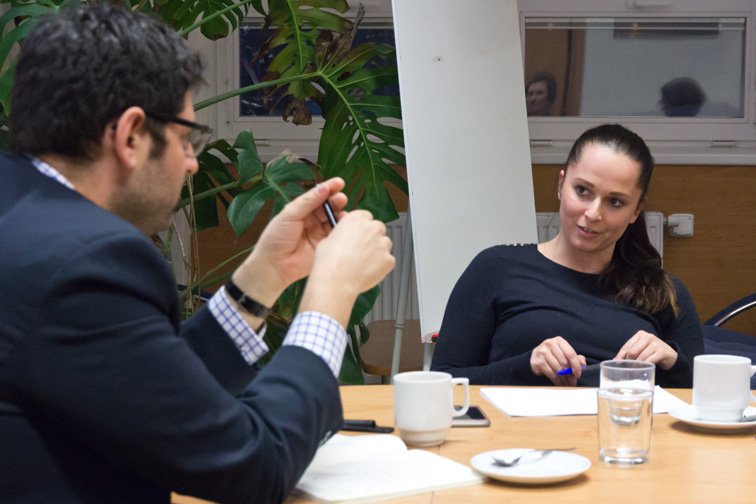
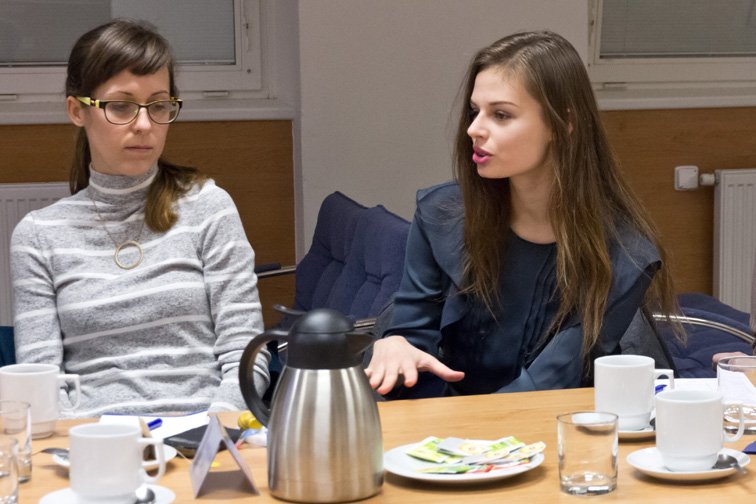
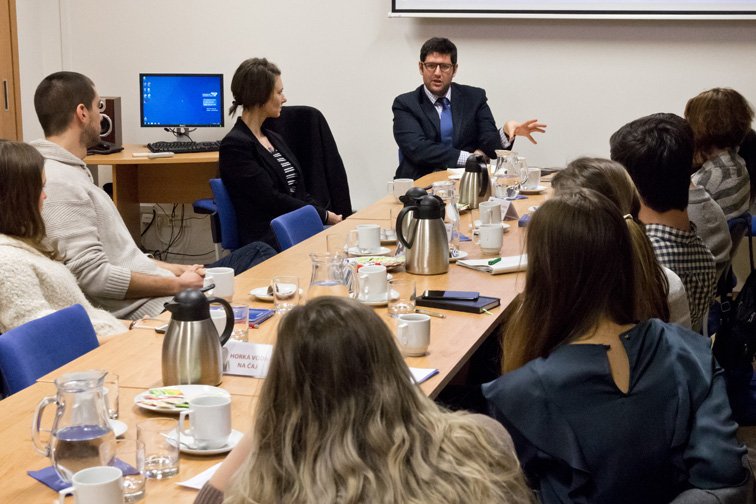
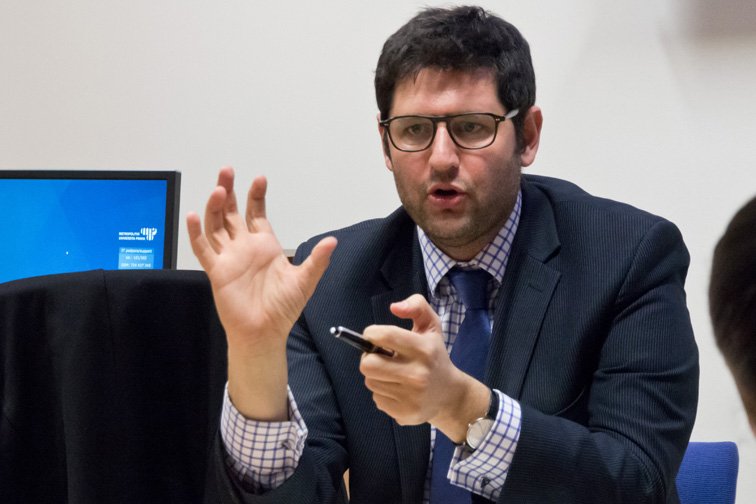
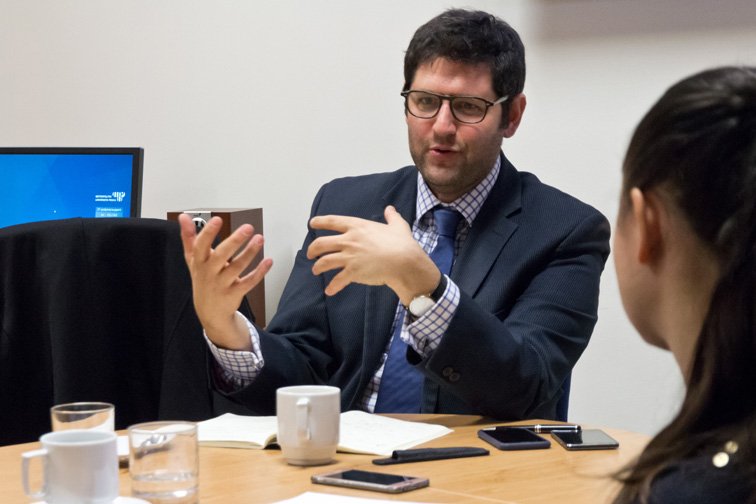
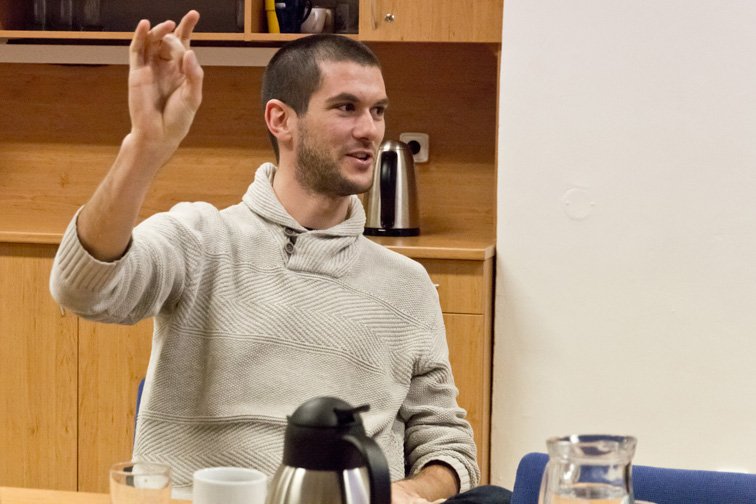
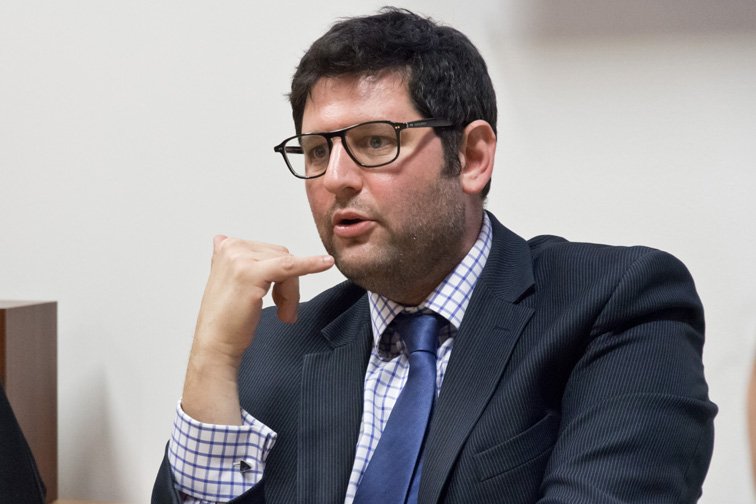
30. 1. 2017 Author: Kateřina Bartošová On 26 January 2017, the Department of International Relations and European Studies (IRES) organised a workshop that sought to explain rhetoric in current international relations.The workshop’s participants – mainly consisting of IRES students – carefully listened to the main speaker Dr Mitchell Belfer (Senior Lecturer at the IRES Department) who also teaches the course The Art of Rhetoric, Debate and Discussion in International Relations. Participants learned about the three main pillars of persuasive argumentation as developed by Aristotle: ethos – the ethical character of the speaker, pathos – an emotional connection to the audience, and logos - logical argumentation. Based on the theory, some current issues of international relations such as migration crisis and Brexit were analysed. It was pointed out that politicians often play to the emotional side of their audience, trying to create an unreasonable fear rather than outlining logical aspects. Consequently, discussion among participants focused on the speeches of American President, Donald Trump, and the unanswered question of how to argue with somebody who is not being logical.


Other items from the/this section
 University Representatives and the SMILE Project Team at the CEPSA Anniversary Conference
The prestigious two-day conference organized to mark the 30th anniversary of the Central European Political Science Association (CEPSA) welcomed academics and scholars from all around Europe and the world. This significant event, which is a living proof of successful cross-border academic cooperation, offered a rich program full of panel discussions and round tables on various socioeconomic and political academic papers.
University Representatives and the SMILE Project Team at the CEPSA Anniversary Conference
The prestigious two-day conference organized to mark the 30th anniversary of the Central European Political Science Association (CEPSA) welcomed academics and scholars from all around Europe and the world. This significant event, which is a living proof of successful cross-border academic cooperation, offered a rich program full of panel discussions and round tables on various socioeconomic and political academic papers.
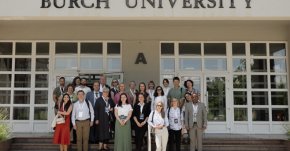 International Staff Week in Sarajevo
Last week, our colleagues from the International Office participated in the International Staff Week hosted by International Burch University in Sarajevo.
International Staff Week in Sarajevo
Last week, our colleagues from the International Office participated in the International Staff Week hosted by International Burch University in Sarajevo.
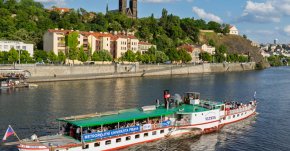 Metropolitan University Prague's Fleet Cruised the Waters of the Vltava
How should a university celebrate its twenty-fifth anniversary? What better way to mark the occasion than with a fleet of MUP steamboats cruising along the Vltava, offering panoramic views of Old Prague, Charles Bridge, Vyšehrad and other landmarks? That would certainly be something special. And that is exactly what happened!
Metropolitan University Prague's Fleet Cruised the Waters of the Vltava
How should a university celebrate its twenty-fifth anniversary? What better way to mark the occasion than with a fleet of MUP steamboats cruising along the Vltava, offering panoramic views of Old Prague, Charles Bridge, Vyšehrad and other landmarks? That would certainly be something special. And that is exactly what happened!