

Accessible tourism – rethinking sustainable tourism development
18. 11. 2022 Author: Trude Furunes An ongoing project between University of Stavanger and Metropolitan University Prague addresses an important topic that has received little attention in the past, that of accessible tourism. The 2-year collaboration has led to knowledge exchange, curricula and course development and learning for all stakeholders, and will impact both future education and research.
Project EHP-CZ-ICP-2-012 is financed through the Program EEA Grants 2014-21.The EEA Grants represent the contribution of Iceland, Liechtenstein and Norway to reducing economic and social disparities of the European economic area and to strengthening bilateral relations with 15 EU countries.
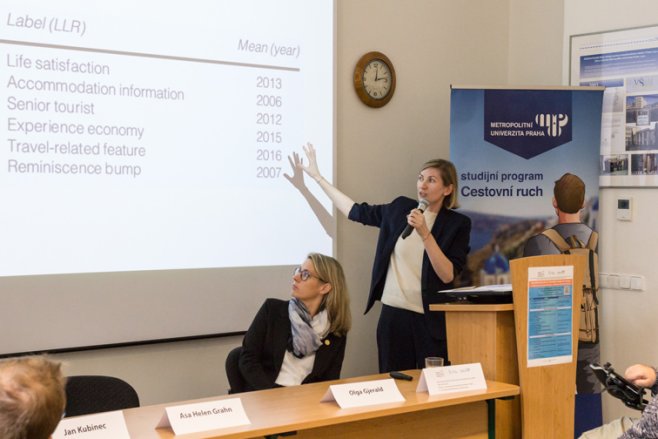
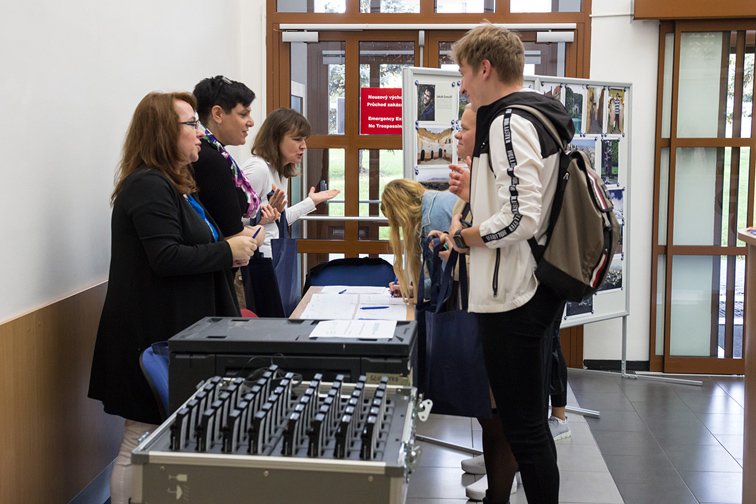
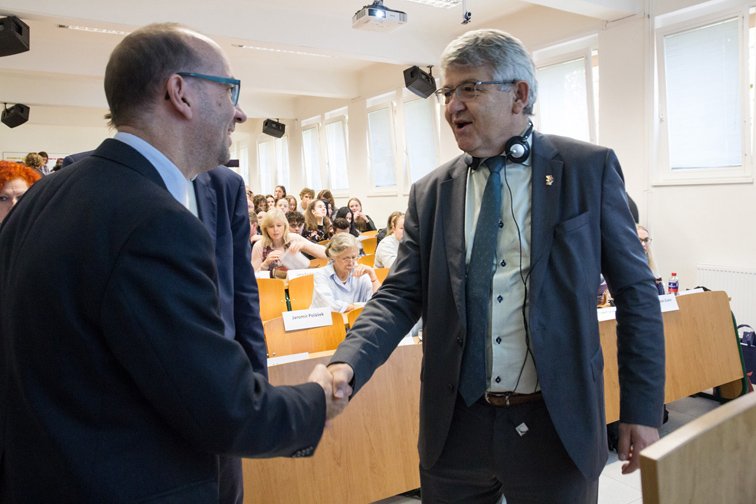
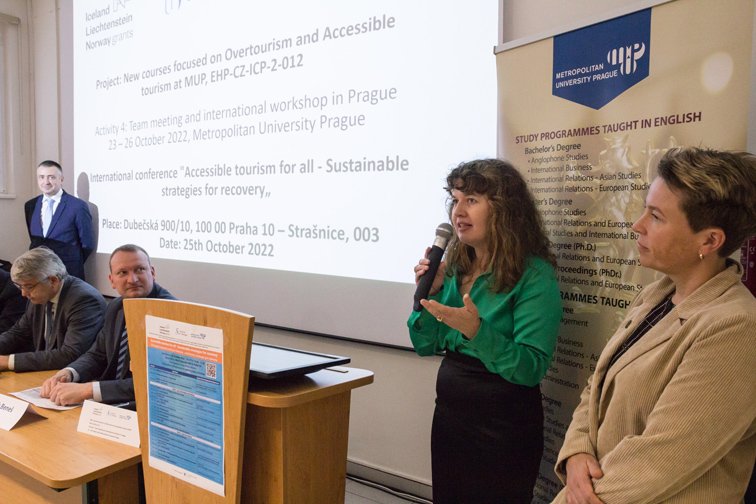
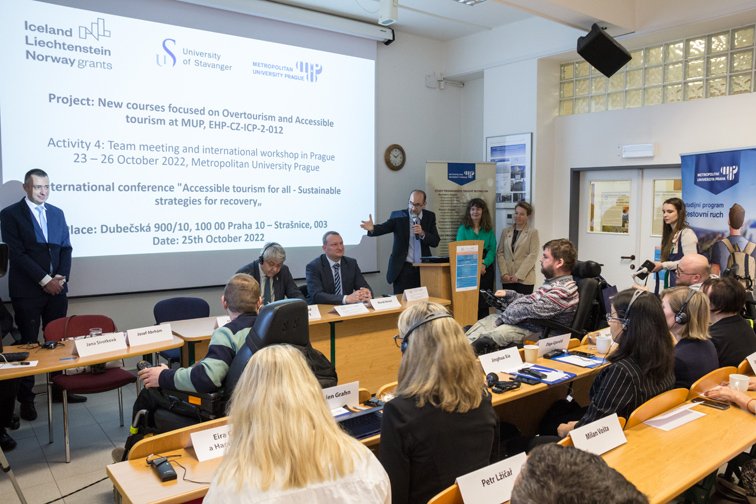
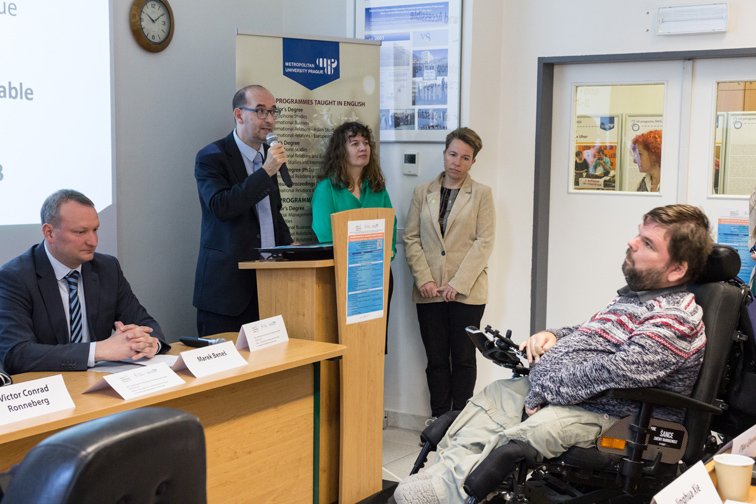
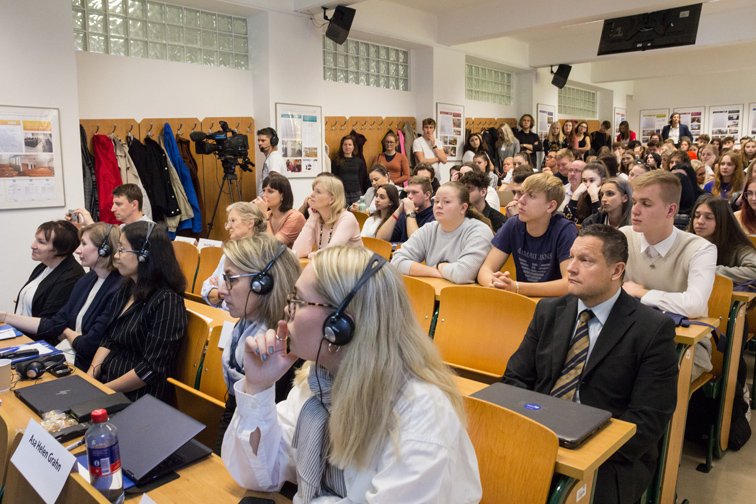
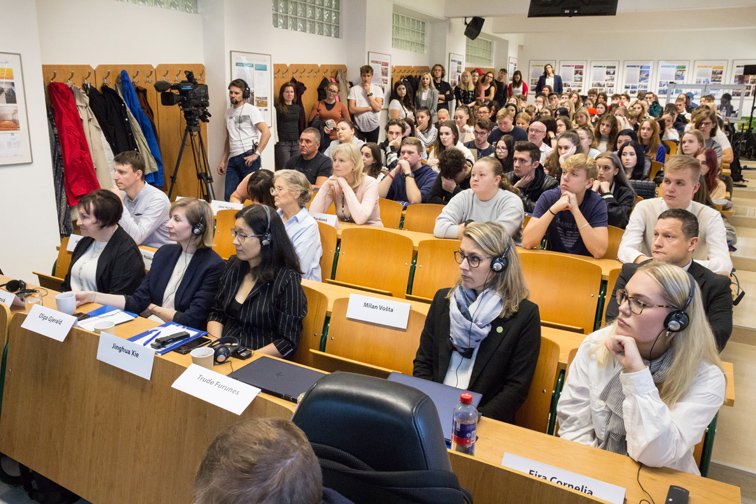
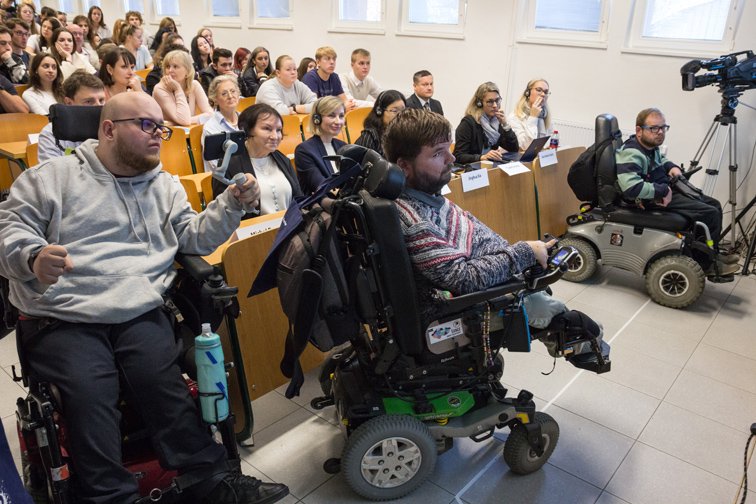
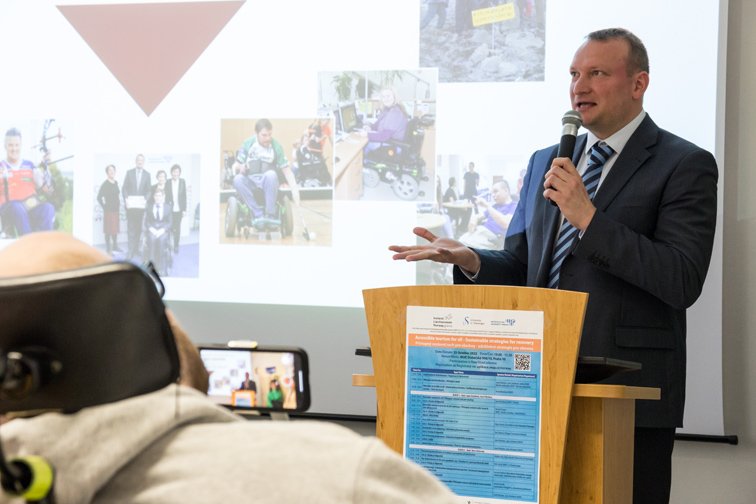
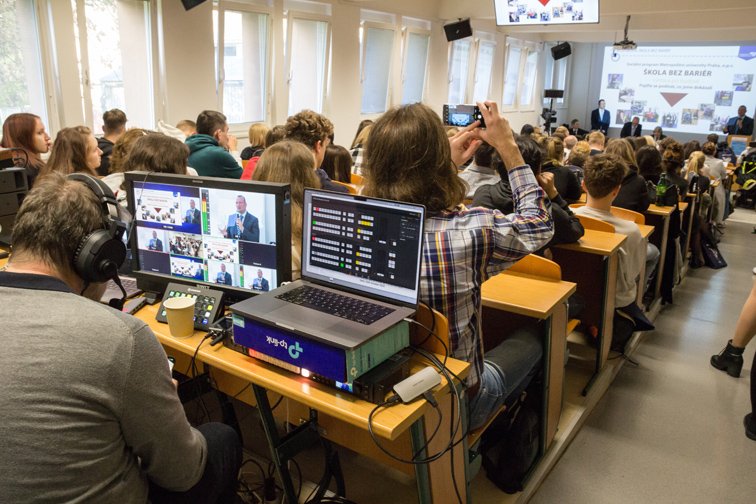
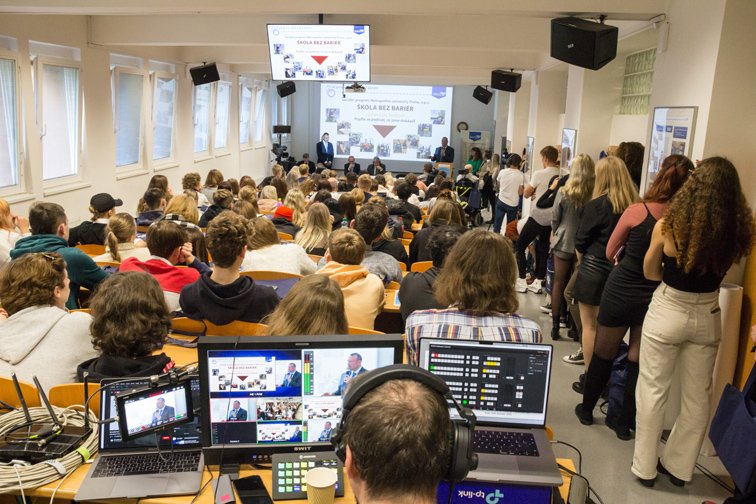
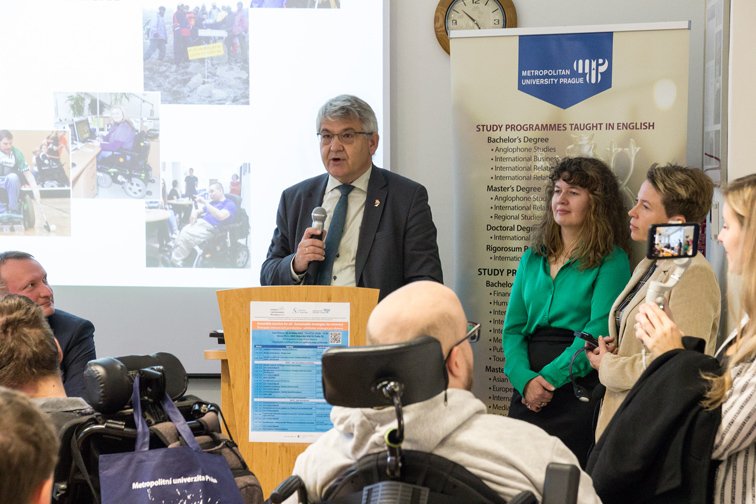
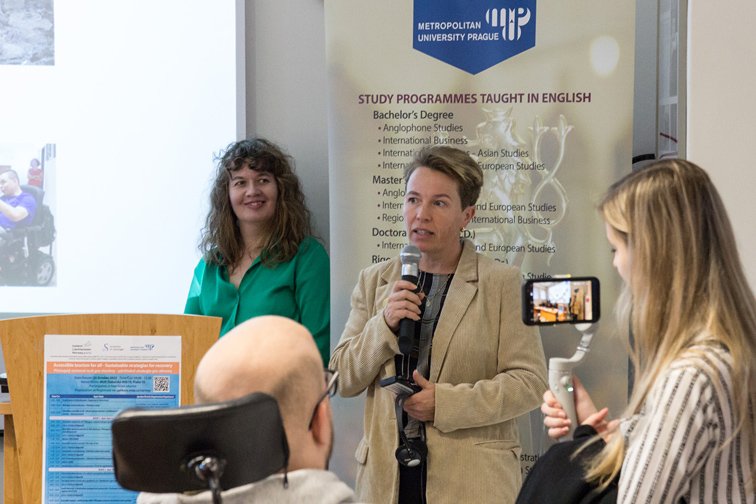
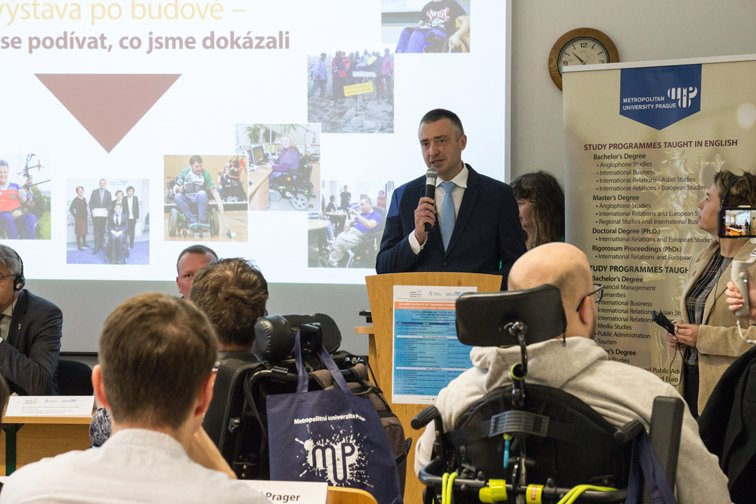
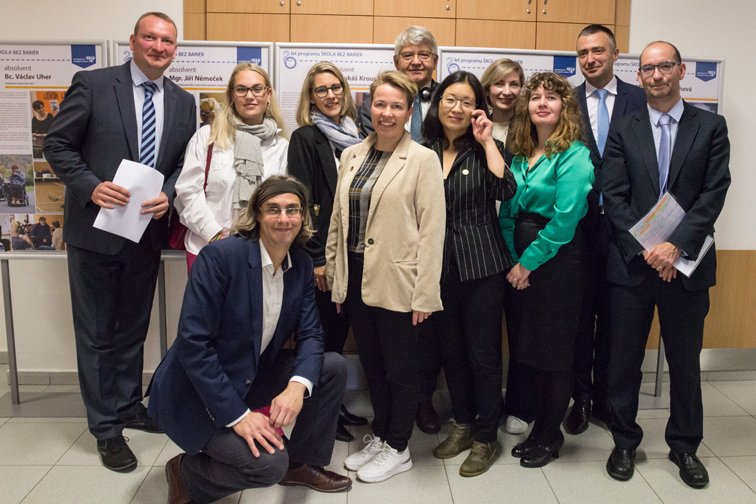
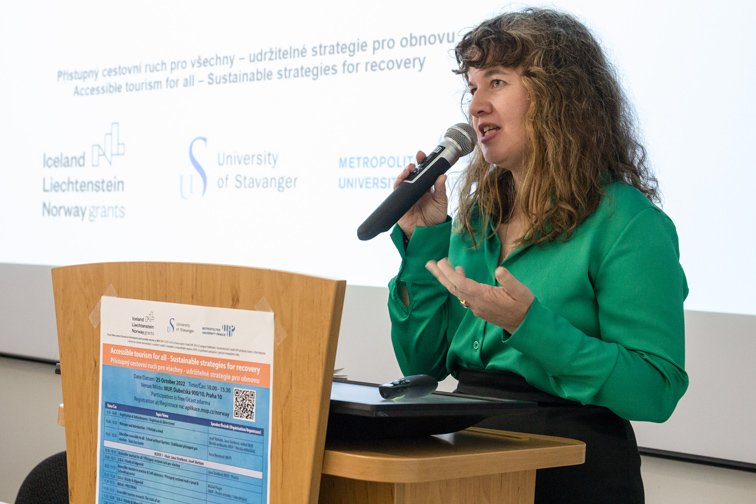
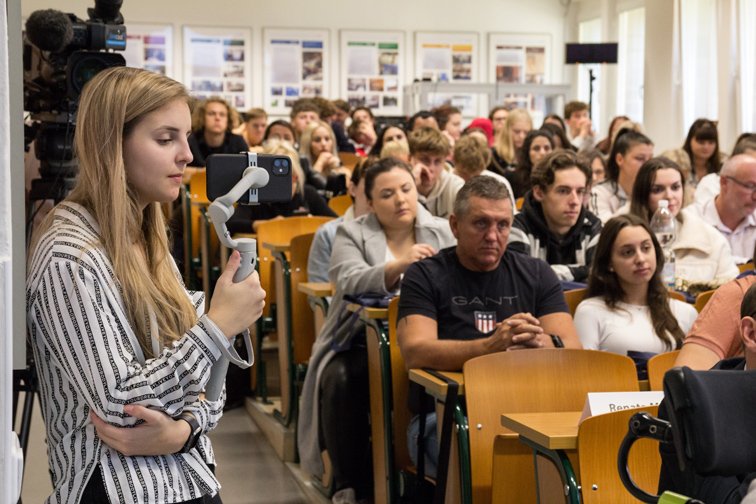
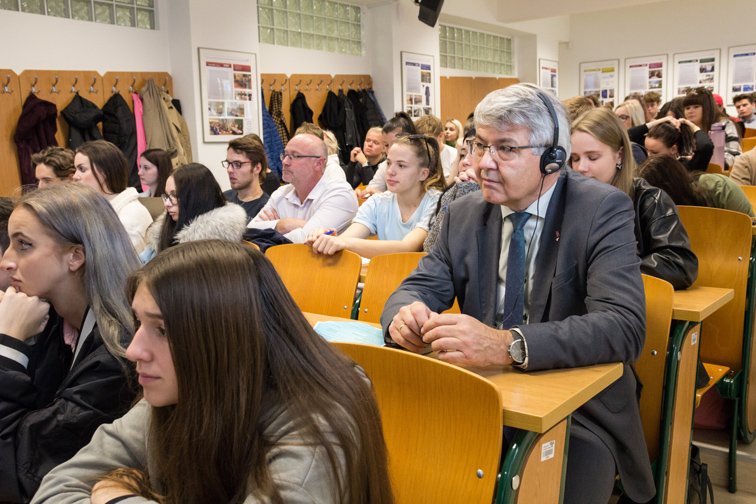
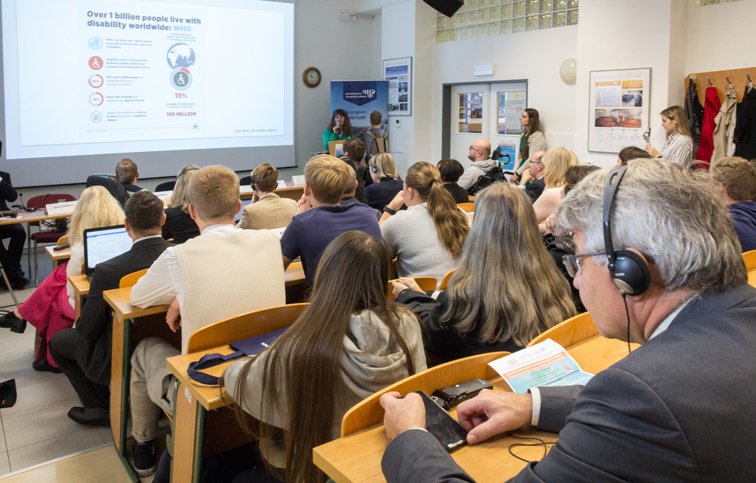
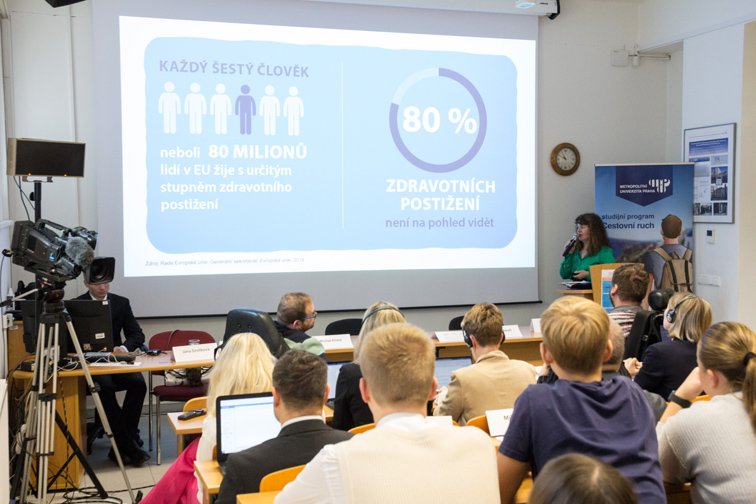
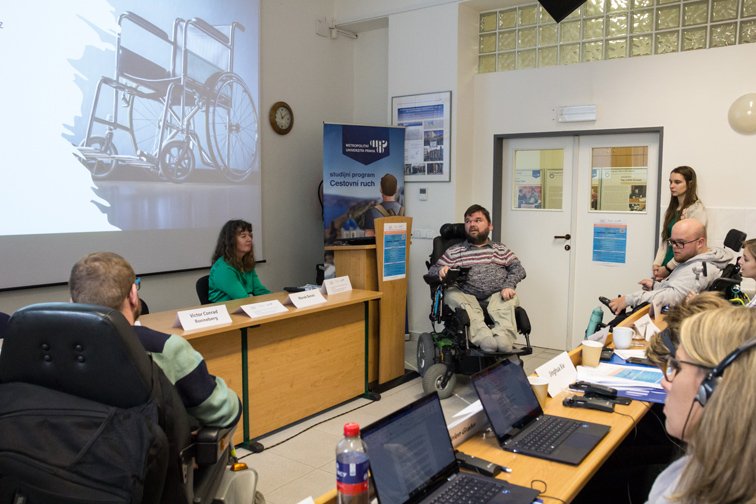
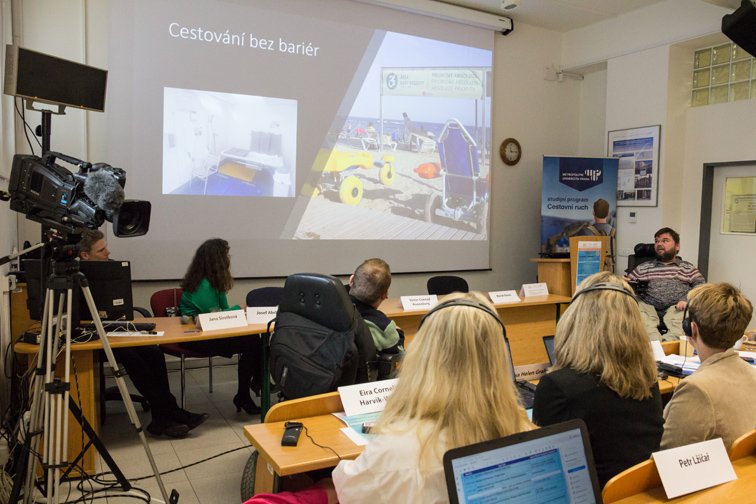
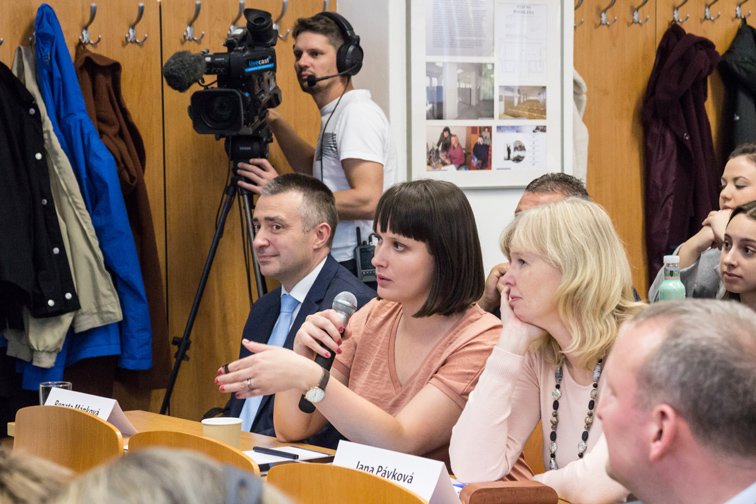
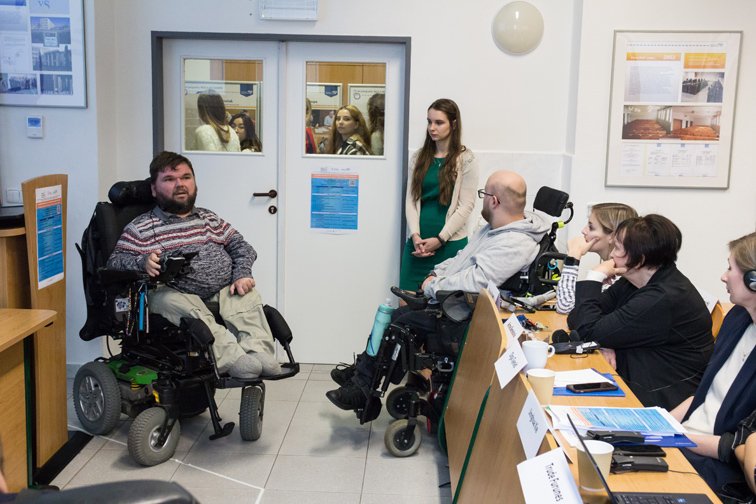
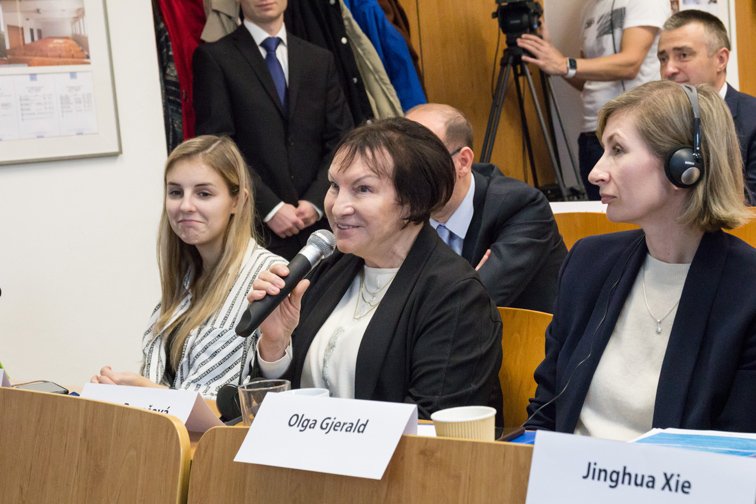
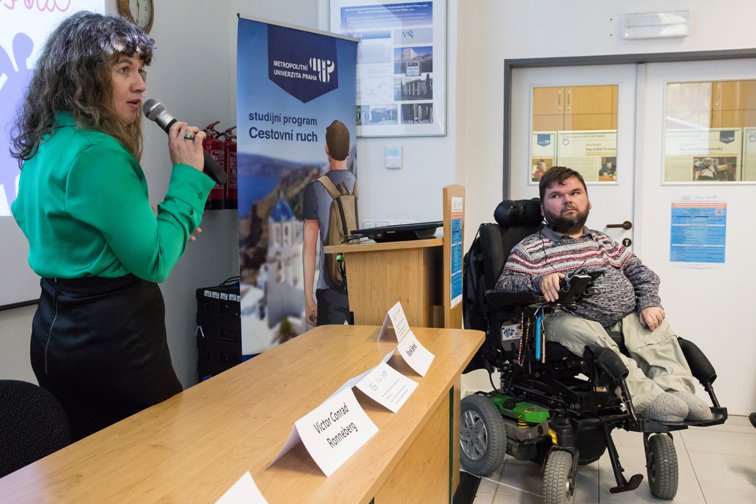
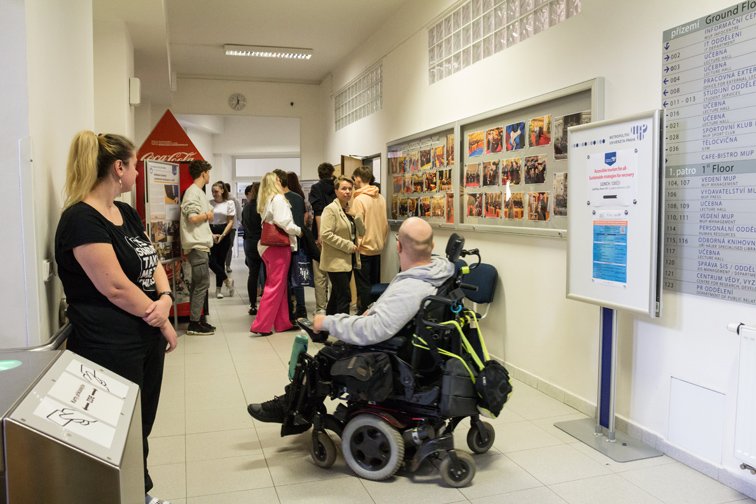
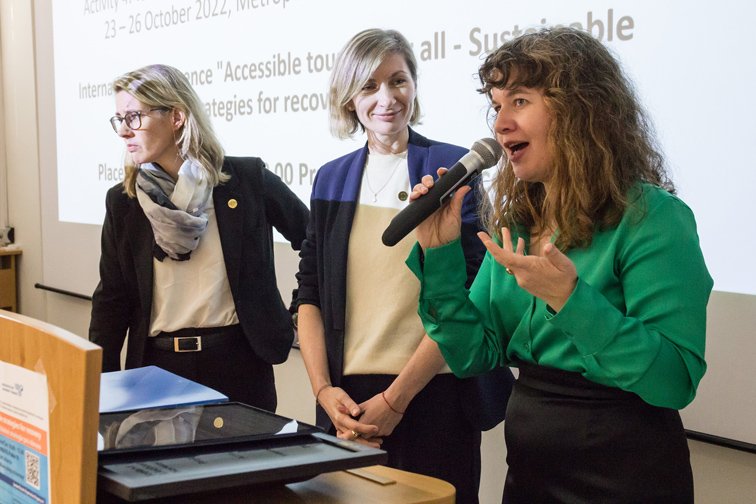
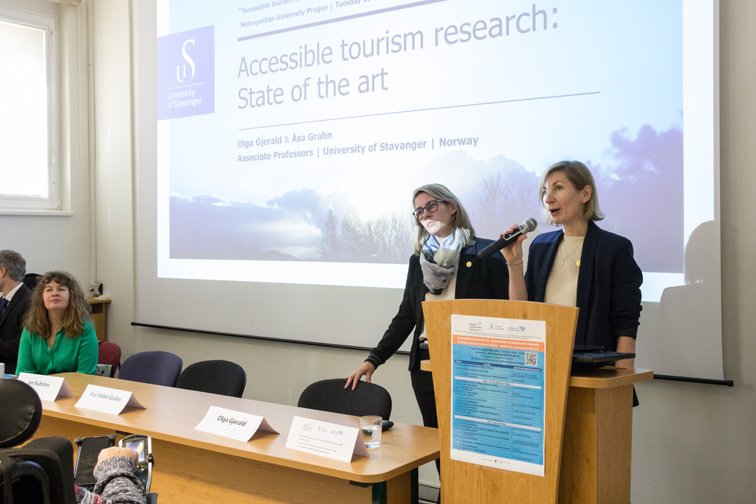
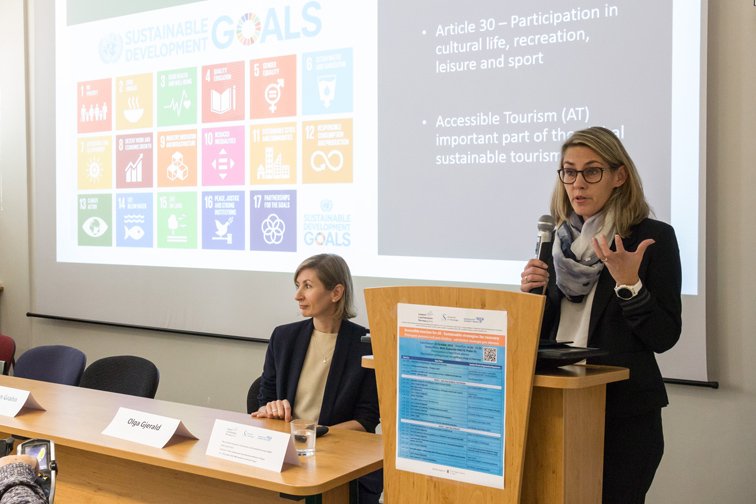
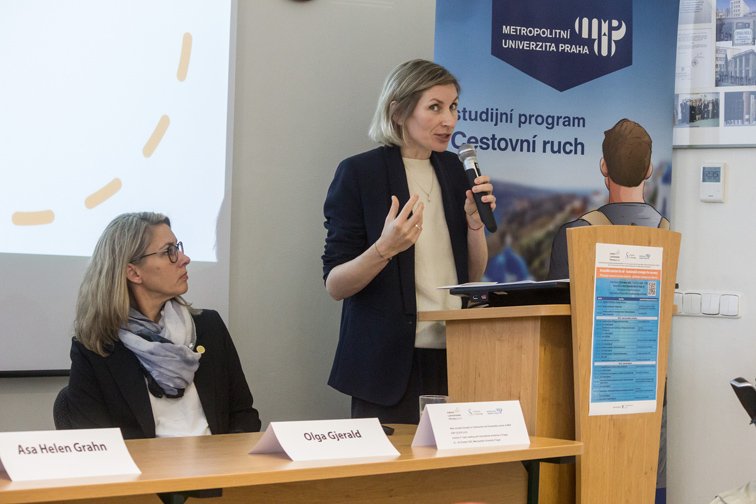
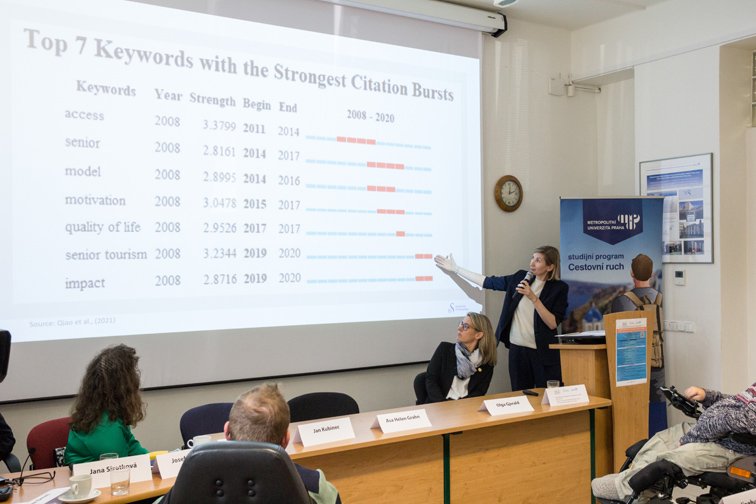
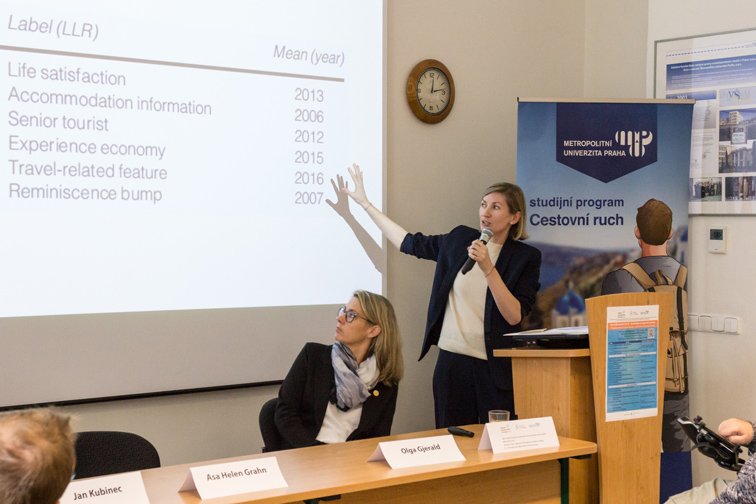
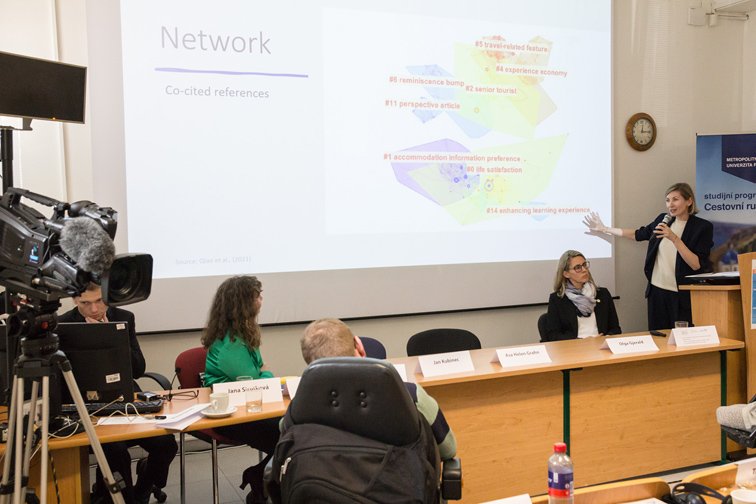
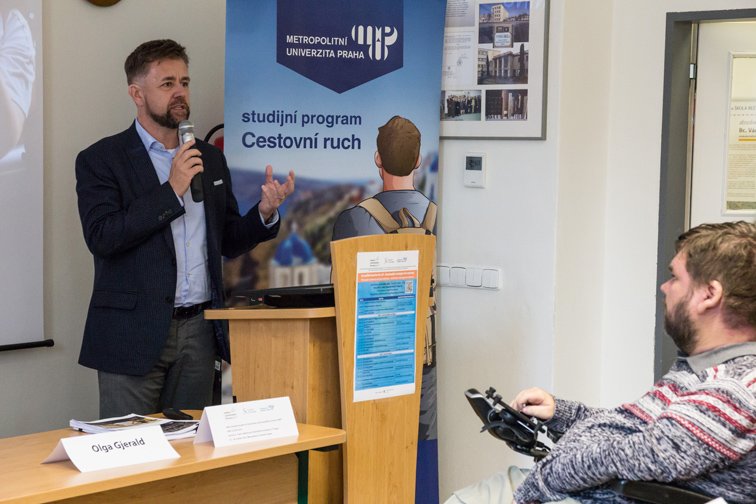
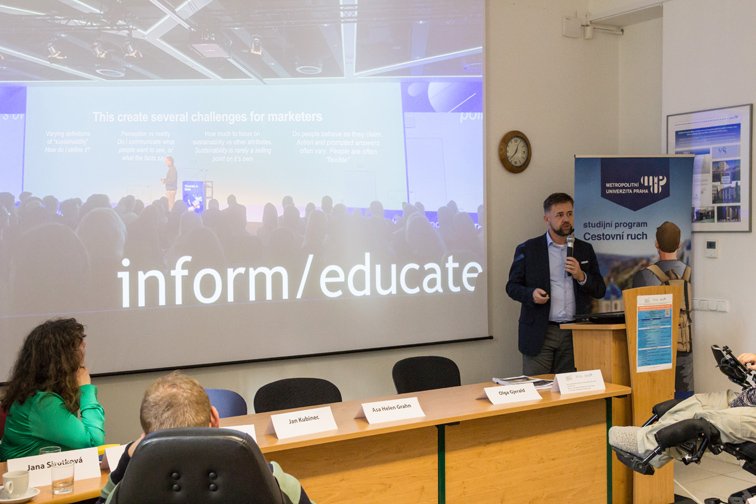
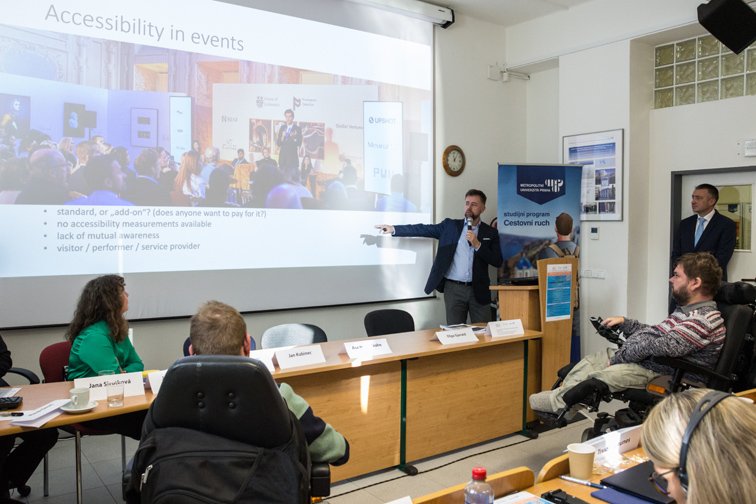
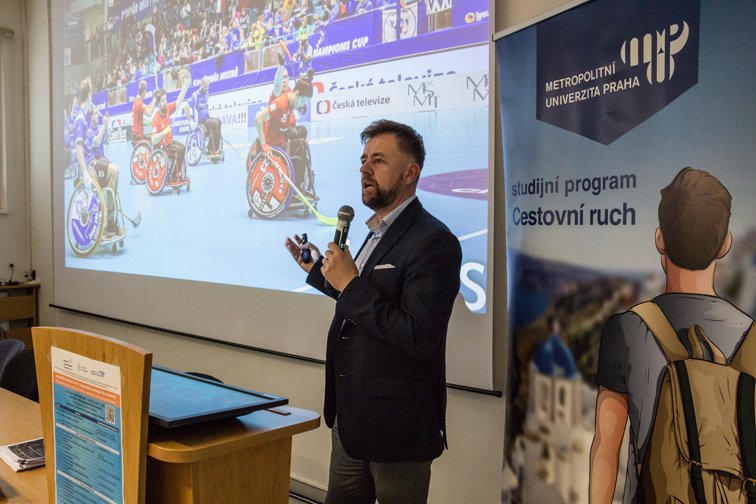
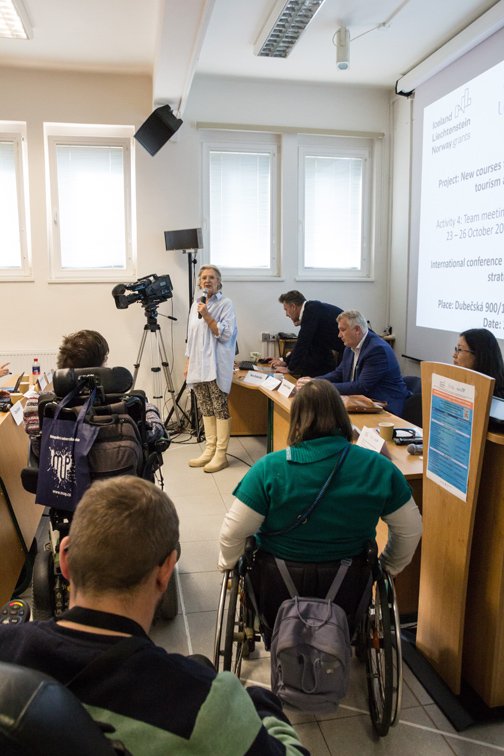
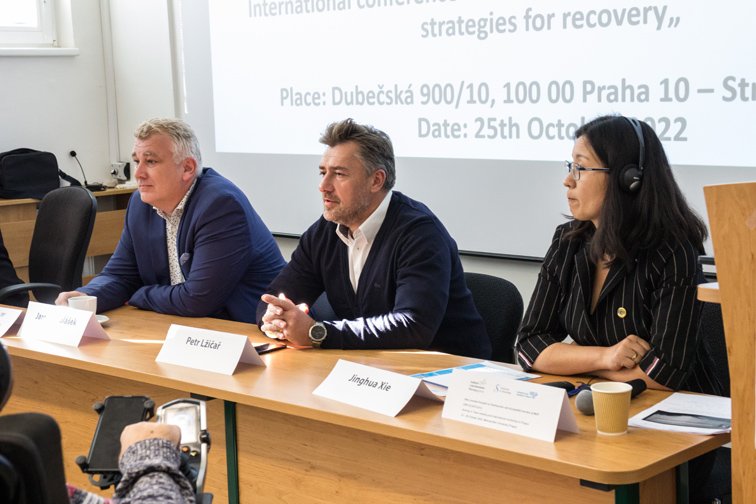
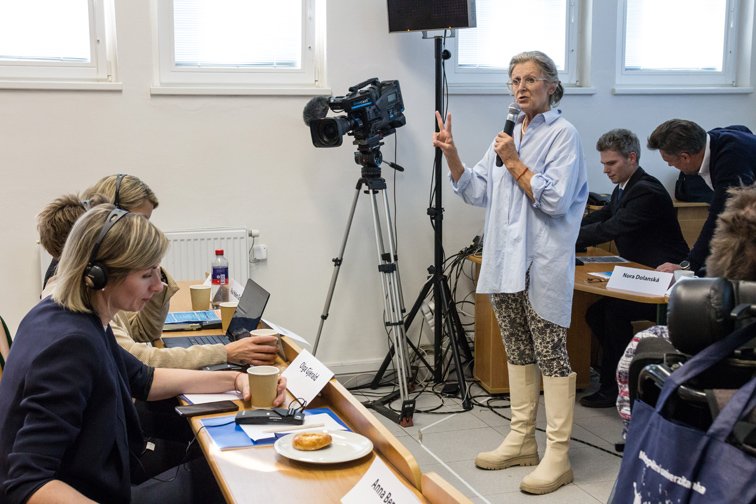
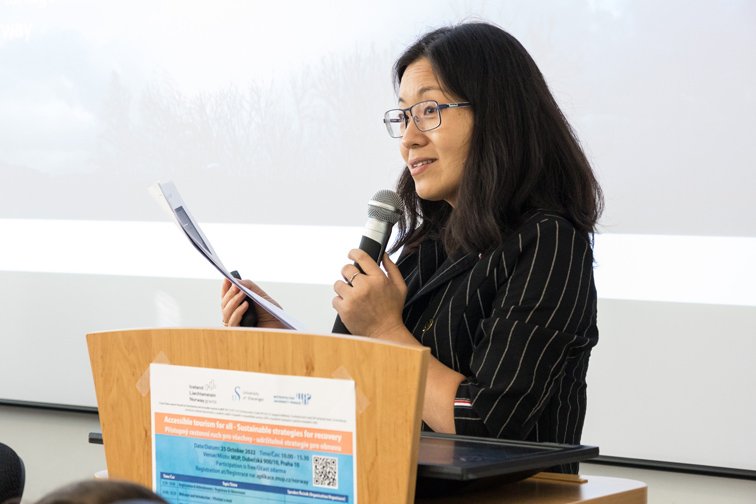
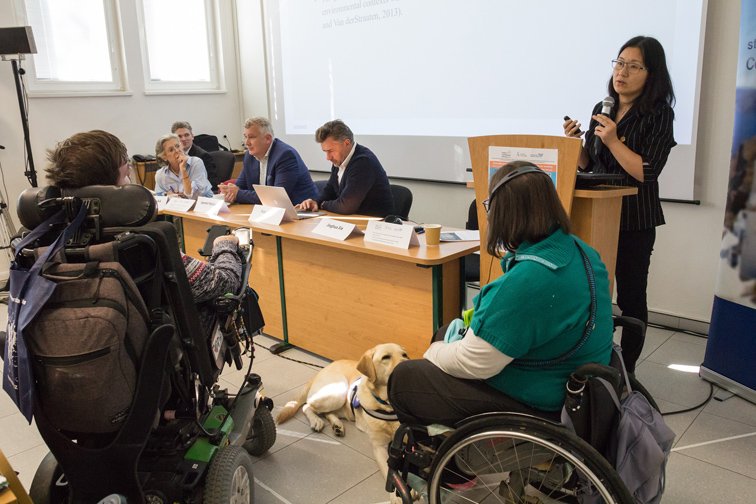
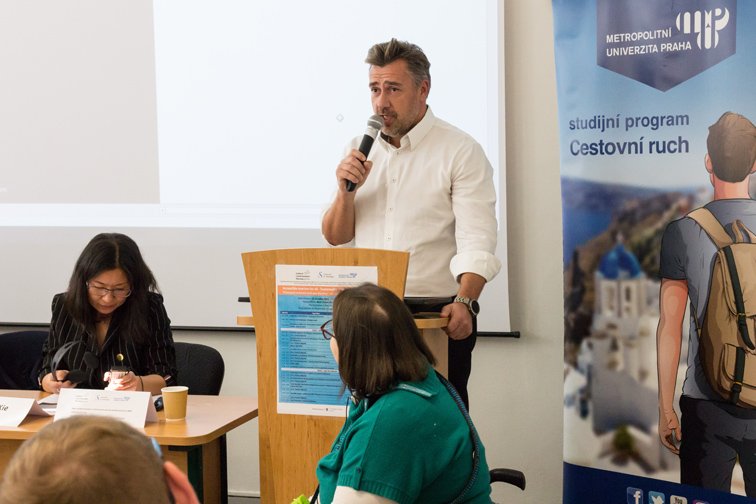
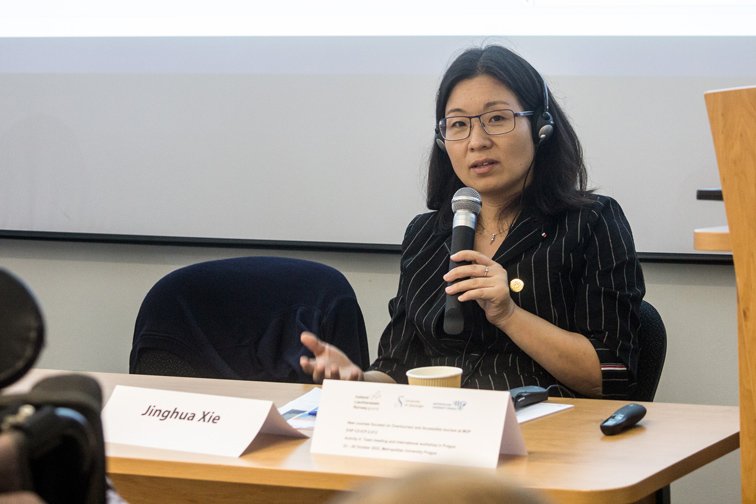
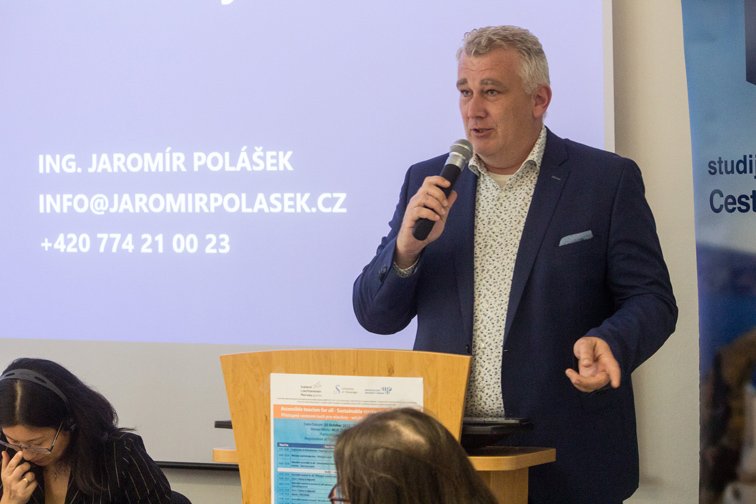
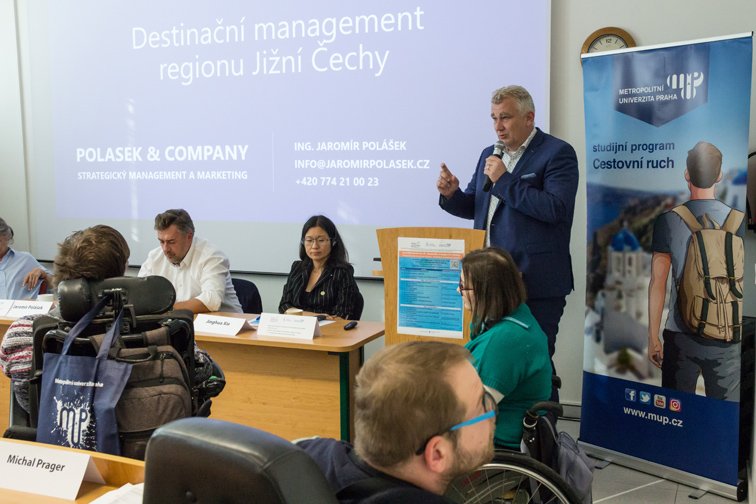
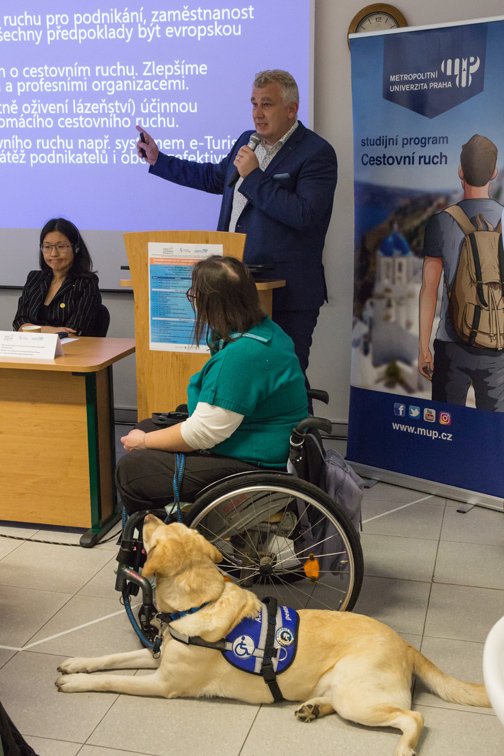
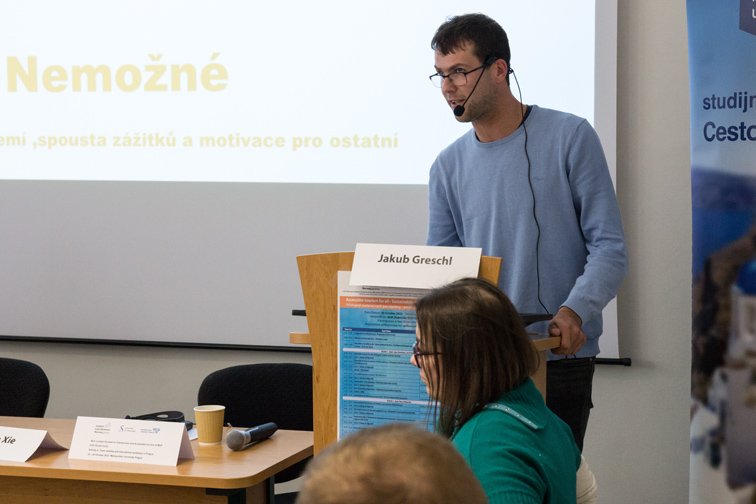
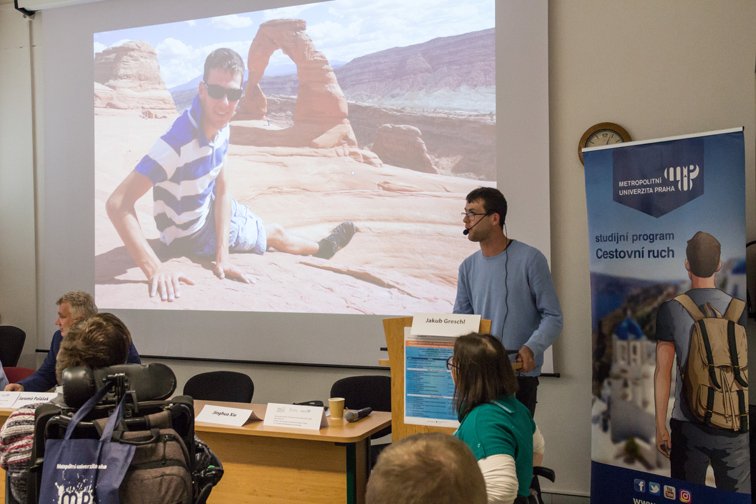
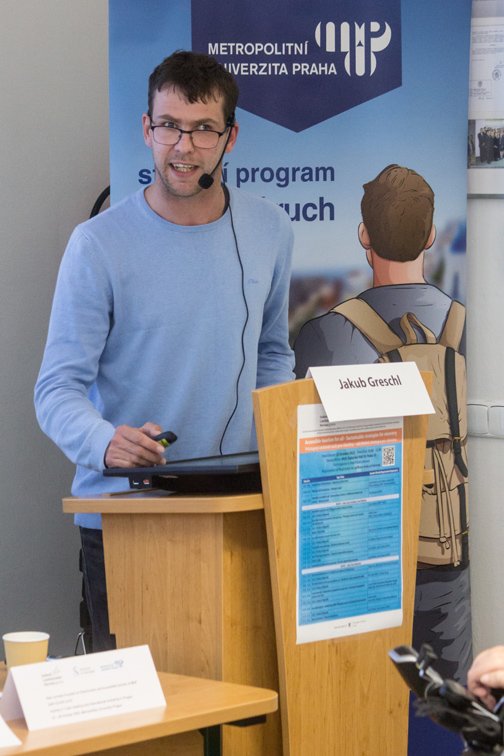
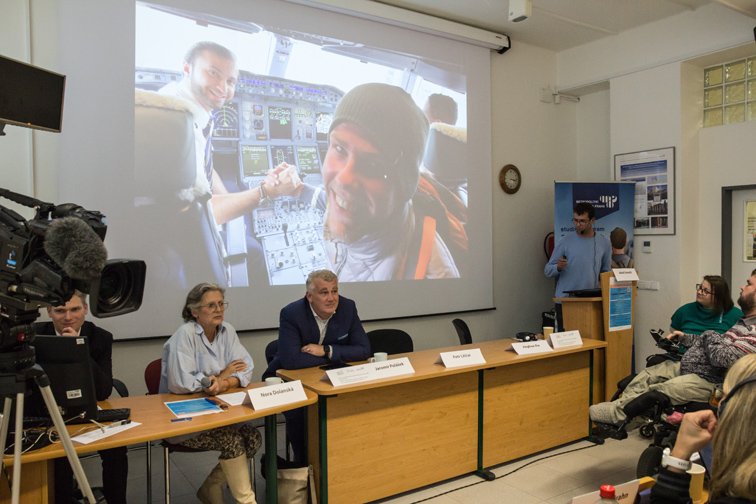
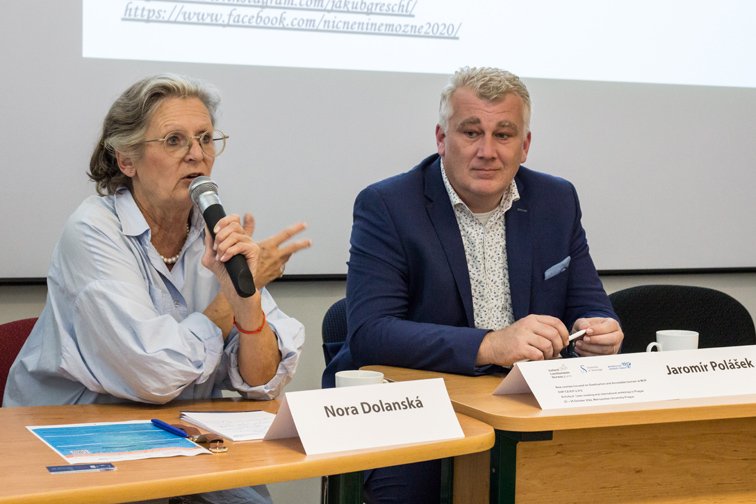
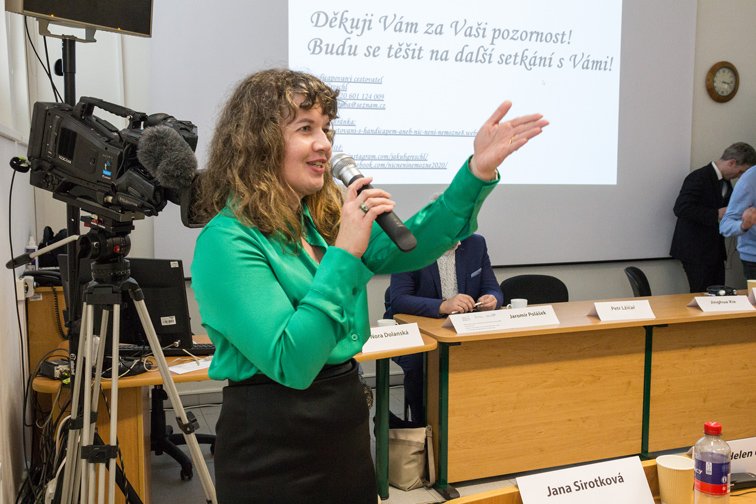
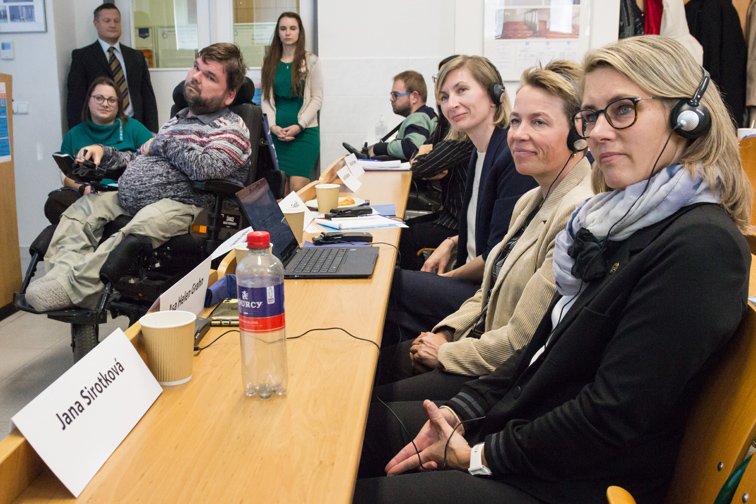
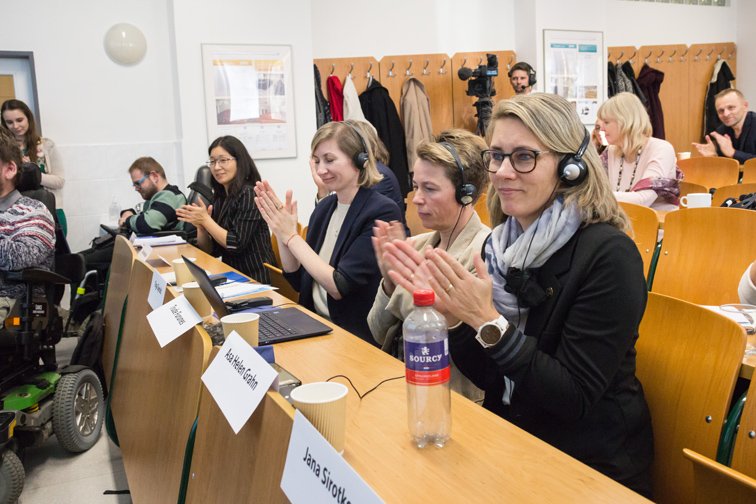
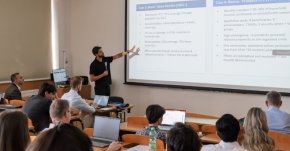
Knowledge exchange is a central part of this bilateral collaboraton, displayed at a recent conference in Prague, gathering academics, practitioners, educators, students, consumers, and policy makers.
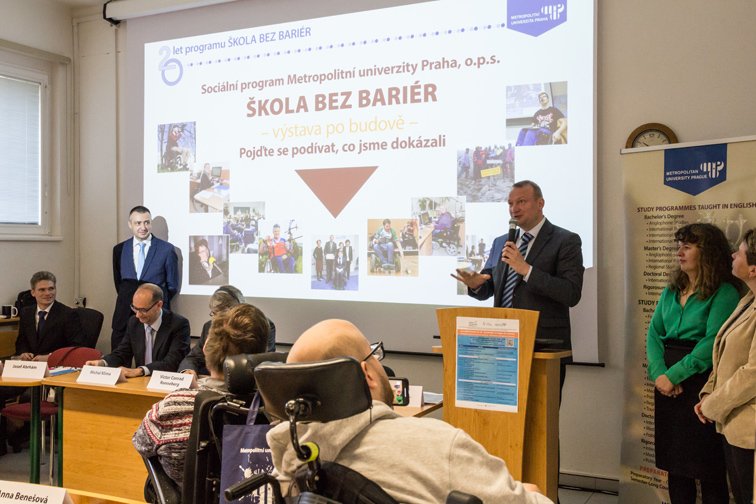
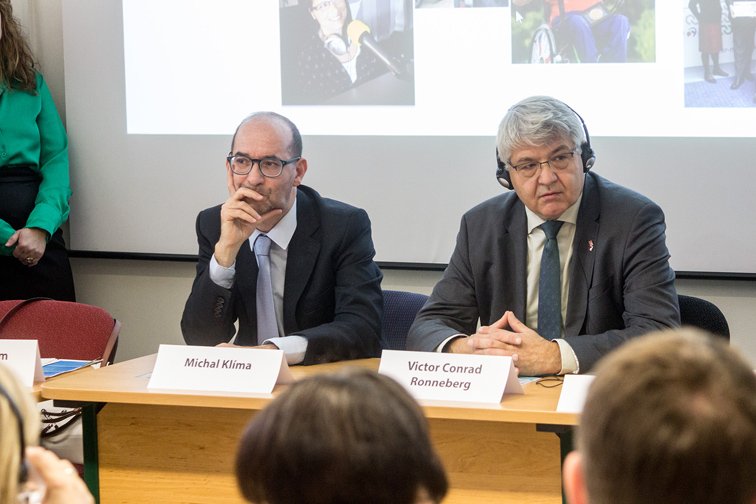
The Czech Ambassador of Norway, Victor Conrad Rønneberg, who opened the conference titled 'Accessible tourism for all – Sustainable strategies for recovery', stressed the importance of bilateral relations built through collaborative projects. It is stressed both in the conference and the team workshops that accessible tourism can go hand in hand with inclusive regional development and might even give a competitive edge to regions that manage destinations well. To raise awareness among current and future stakeholders, awareness raising through education is necessary.
Tourism as a driving force for regional development
It is well known that tourism can be a driving force for sustainable region development. Sustainable development has a social, economic and environmental dimension, where accessible tourism taps into social sustainability.
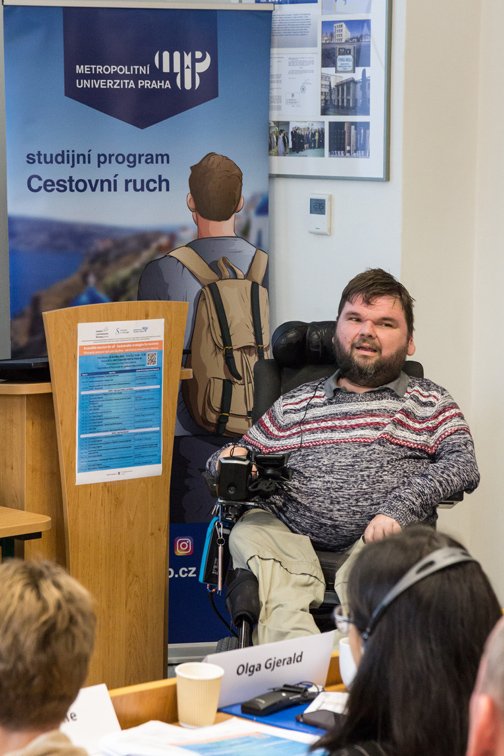
The Prague conference tapped into both research and practitioners’ views. For instance, one of the speakers, Michal Prager, has taken part in MUP’s inclusion program and is now one of the lecturers of the recent developed academic courses at MUP. By self-advocacy he has achieved a lot, among others establishing the Travel Agency Pestrá cestovka (www.pestracestovka.cz) claiming that “barriers in our heads are often bigger than the actual physical barriers”. Through a YouTube channel and podcasts he is raising awareness about the barriers to accessible tourism and what barrier free (accessible) tourism looks like.
Discussions on destination management in the Czech context, stress that pre-covid, destination management and planning to a little degree was based on data, and rather on gut feeling. One of the positive outcomes of covid-19 is that there is increasing data, that makes it possible to compare changes i.e., travel patterns over time. Before the pandemic, researchers paid increasing attention to studying overtourism. The current discussions in the conference circled around whether the aim is to get back to the pre-pandemic tourism patterns, or whether one should take the opportunity to restart tourism after the pandemic.
For Prague, the current situation is very vulnerable. Reduced post-pandemic tourism numbers, and the current geopolitical situation affects tourism, and makes it difficult for services providers that traditionally have been dependent on tourists’ demand. In the current situation, destination managers could continue marketing the destination or they can take the opportunity to rethink sustainable tourism development and ask: “Do we want all the tourists back?”. For instance, the Chinese market mostly consisted of one-day visitors, on their way to somewhere else, whereas German tourists stay for more days. Is it about time to move from destination marketing to destination management?
Awareness raising – the educational perspective
The first step of changing behaviours among tourism developers might start with educating current tourism students. At MUP, several courses have been developed and innovated to raise awareness about issues relating to accessible tourism among tourism students.
Learning more about accessible tourism and potential barriers to travelling, can be one of the approaches. Other approaches could be to get students to practically plan a tourist travel or a conference for a larger group of persons with reduced mobility. Such a task would for instance make them realize that most hotels only have a few hotels rooms that are accessible for persons in a wheelchair, or maybe they would come across transport issues, as per now the Czech Republic only has three coaches that are accessible. The country has 1.368 million persons with disabilities.
Accessible tourism - a competitive edge to destinations
Accessible tourism aims at enabling all people to participate in and enjoy tourism experiences . “Globally, it is estimated that there are over 1 billion persons with disabilities, as well as more than 2 billion people, such as spouses, children and caregivers of persons with disabilities, representing almost a third of the world’s population, are directly affected by disability. While this signifies a huge potential market for travel and tourism, it still remains vastly under-served due to inaccessible travel and tourism facilities and services, as well as discriminatory policies and practices» . Looking at the current situation, accessible tourism has not been in focus neither in the Czech Republic nor in Norway. Having legislation is not enough, but with the increasing numbers of persons in need for adjustments, focusing on accessibility when developing your destination or city might give a competitive edge, attracting more tourists searching for accessible destinations.
Czech speakers at the conference:
- Jana Sirotková, Pestrá & MUP
- Michal Prager, Pestrá cestovka & MUP (self-advocate)
- Jan Kubinec, Prague Convention Bureau
- Petr Lžičař, LE Hotel Group & MUP
- Jaromír Polášek, Polasek & Company - Strategický Management a Marketing
- Jakub Greschl, Adventurer and photographer (self-advocate)
MUP team:
- Josef Abrhám
- Milan Vošta
- Jana Sirotková
- Luboš Janák
UiS/NHS team:
- Jinghua Xie
- Olga Gjerald
- Åsa Grahn
- Trude Furunes
Background:
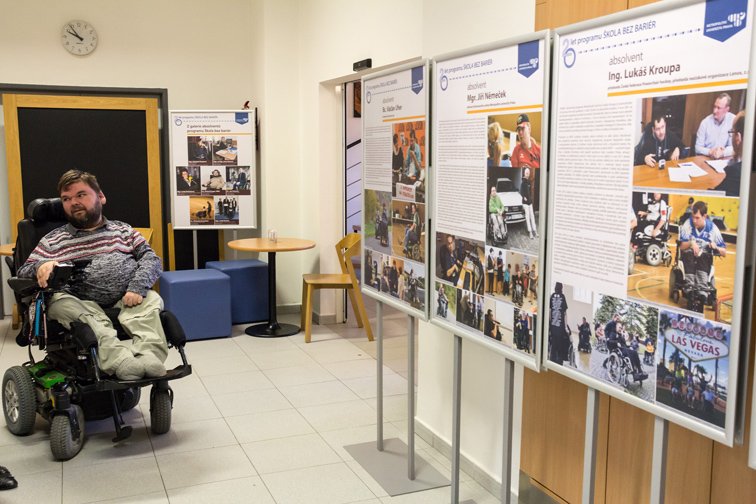
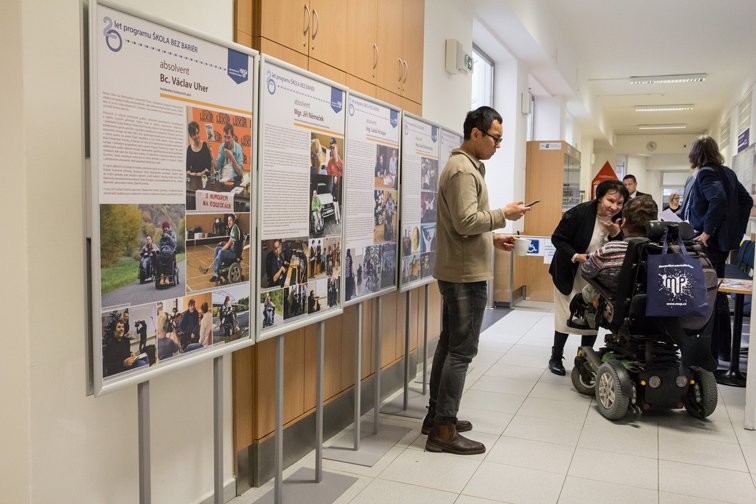
The study program of Tourism Management at the Norwegian School of Hotel Management at UiS (NHS, Norsk hotellhøgskole) inspired Metropolitní Univerzita Praha (MUP, Metropolitan University of Prague) to make contact and seek partners for collaboration. Whereas NHS programs focus on responsible tourism management, with accessible tourism as a part of social sustainability, the MUP has had a different approach. Twenty years ago, MUP introduced a program aiming at including more individuals with disabilities in university study programs (School without barriers project). At MUP, this project has led to the development of new courses on accessible tourism as part of both bachelor and master programs in tourism. This bilateral project addresses several of UN’s Sustainable Development Goals (SDG17), including decent work (goal 8), reducing inequalities (goal 10), sustainable cities and communities (goal 11), as well as collaboration for the goals (goal 17).
Other items from the/this section
 International Staff Week in Sarajevo
Last week, our colleagues from the International Office participated in the International Staff Week hosted by International Burch University in Sarajevo.
International Staff Week in Sarajevo
Last week, our colleagues from the International Office participated in the International Staff Week hosted by International Burch University in Sarajevo.
 Metropolitan University Prague's Fleet Cruised the Waters of the Vltava
How should a university celebrate its twenty-fifth anniversary? What better way to mark the occasion than with a fleet of MUP steamboats cruising along the Vltava, offering panoramic views of Old Prague, Charles Bridge, Vyšehrad and other landmarks? That would certainly be something special. And that is exactly what happened!
Metropolitan University Prague's Fleet Cruised the Waters of the Vltava
How should a university celebrate its twenty-fifth anniversary? What better way to mark the occasion than with a fleet of MUP steamboats cruising along the Vltava, offering panoramic views of Old Prague, Charles Bridge, Vyšehrad and other landmarks? That would certainly be something special. And that is exactly what happened!
 Globalization, Illicit Trade, Sustainability and Security COST Action
MUP hosted the Globalization, Illicit Trade, Sustainability and Security (GLITSS) COST Action Final Book Workshop from 18–20 May 2026 at Metropolitan University Prague.
Globalization, Illicit Trade, Sustainability and Security COST Action
MUP hosted the Globalization, Illicit Trade, Sustainability and Security (GLITSS) COST Action Final Book Workshop from 18–20 May 2026 at Metropolitan University Prague.