

29/04/2014 - 2014 FIFA World Cup & Brazil
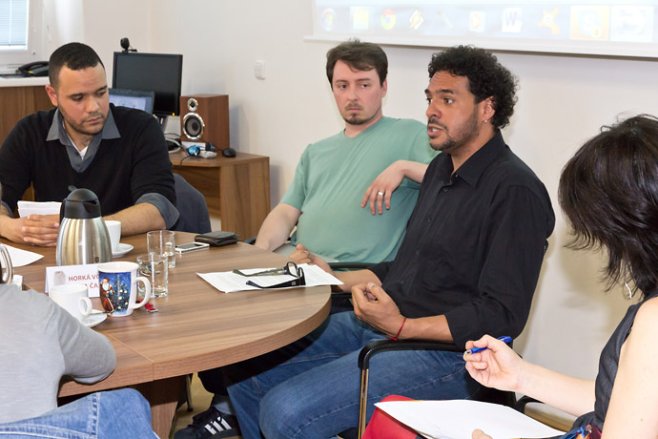
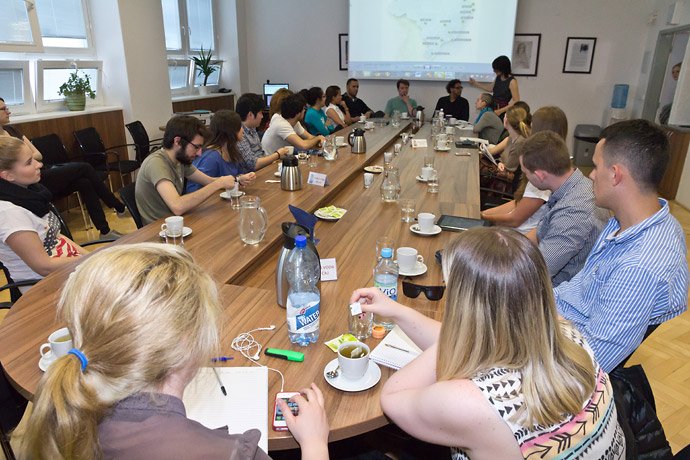
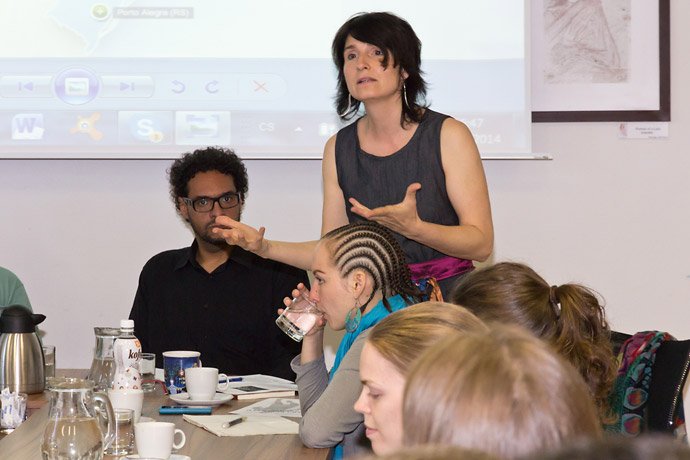
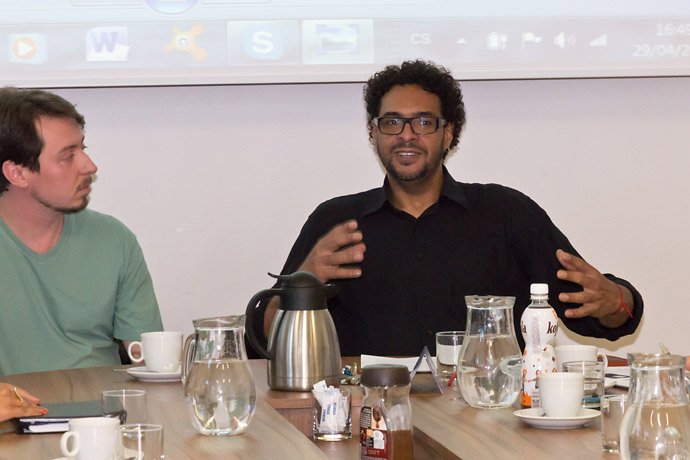
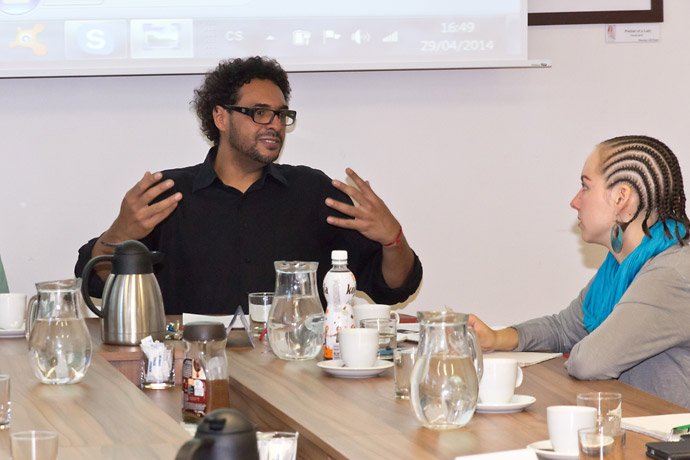
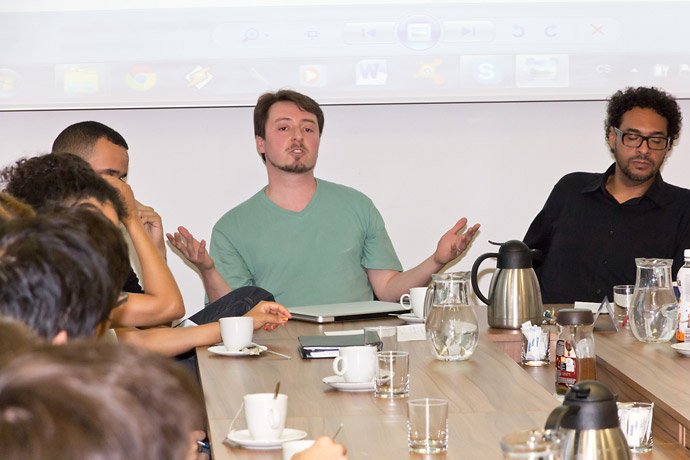
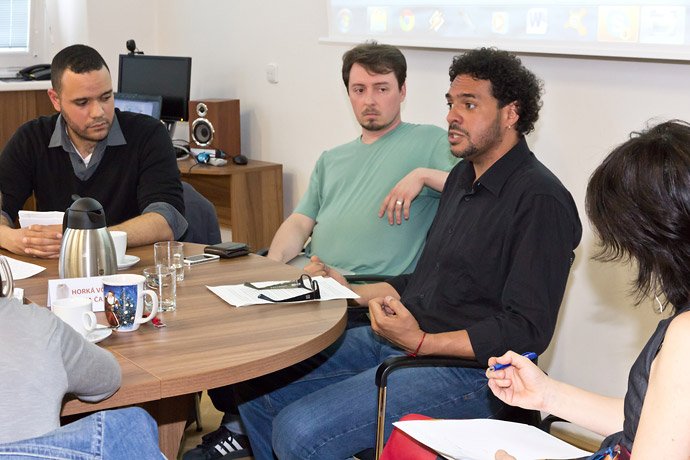
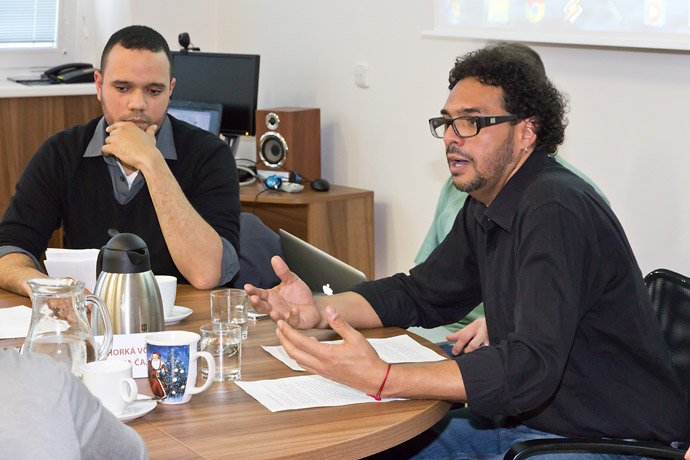
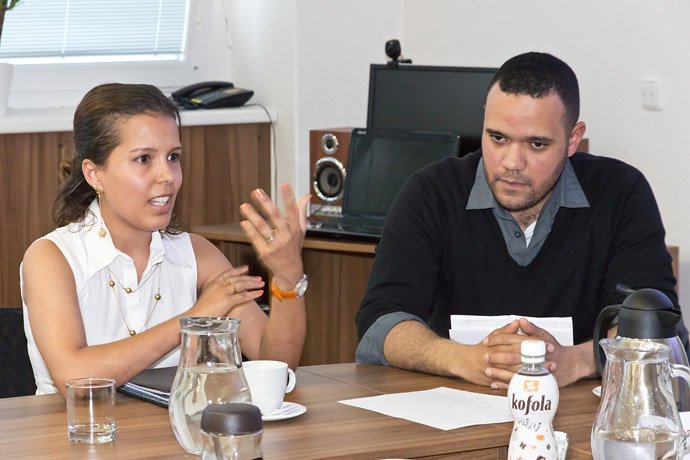
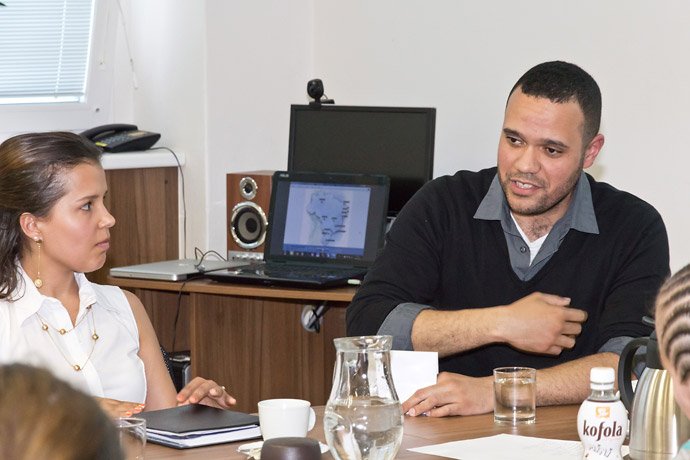
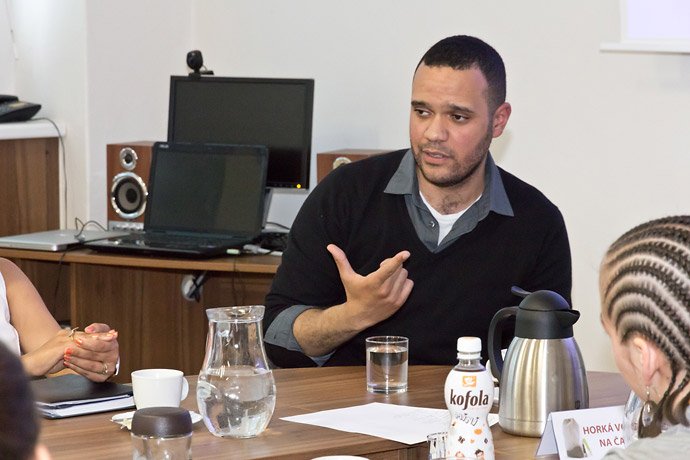
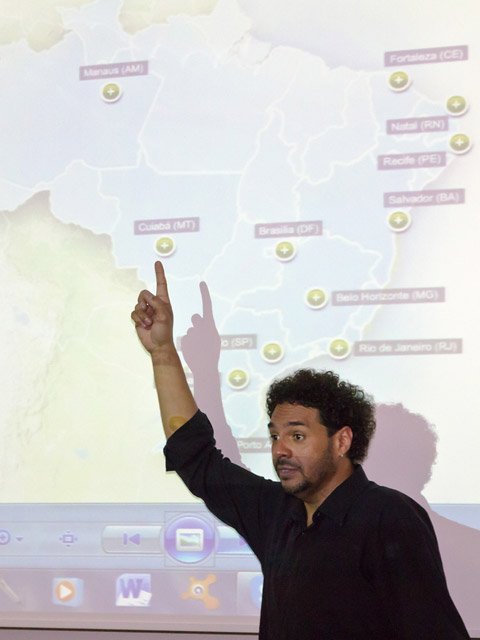
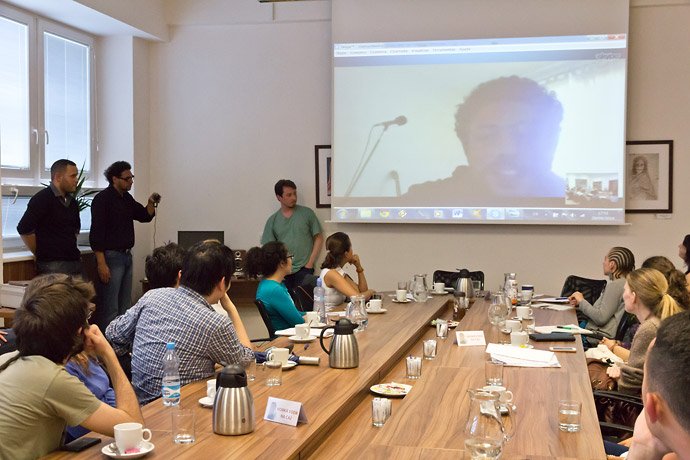
On April 29, the Ibero-American Centre (IAC) organized a debate inspired by the social and political dynamics of today’s Brazil that have become more pronounced as a consequence of the country’s preparations for the upcoming World Football Championship. The principal speaker Dr. Frederico Rego, a Brazilian historian and philosopher, discussed the key causes of the tense atmosphere in Brazilian society.
In relation to the upcoming World Cup, it is important to highlight Brazil’s self-identification as a country of football. Brazilians commonly perceive football as an important part of their culture. Indeed, Rego described Brazil as the “Mecca of football.” Thus, at the first sight, it might be surprising to observe the intensity of protests through which Brazilians express their discontent with the hosting of this year’s FIFA, which is finally taking place in their country after more than 50 years. Nevertheless, this negative reaction that contrasts with Brazil’s cultural linkage to football is no more surprising if the underlying context is understood.
As discussed at the roundtable, the main critique has focused on the government spending and corruption. While initially the World Cup was supposed to be predominantly financed by private investors, it ended up being covered from public resources from 70-80%. As a result, the large amounts of money spent on football stadiums, as well as on other facilities and infrastructure, which will only marginally find its use after the World Cup, has fuelled public opposition to FIFA. Furthermore, the preparation works that run behind the schedule generate higher income to the companies involved in construction since the “emergency” situation created by the time press allows them to legally surpass the bidding system, which ultimately enhances stealing of money. In a country ranking 30th from the bottom on the HDI list, where income gaps are severe as illustrated by the existence of extensive areas with favelas next to modern buildings, mansions, and now stadiums, where, according to the UN data, around a fifth of the population lives below poverty line, and where basic education levels are worse than those of Ecuador or Bolivia, it is no wonder the FIFA preparations met with a strong wave of discontent.
An equally important critique assessed the deterioration of human rights situation in Brazil. Due to numerous construction projects, forced displacements and evictions affected groups of commonly marginalised population. Among other human rights issues related to the upcoming FIFA, civic organisations reported on forced labour, child labour, as well as discrimination. Last but not least, human rights violations were also carried out in the form of brutal repression of protesters. Police abuse directed against protesters has been significant, leading to injuries and even deaths of Brazilian citizens. Even though the State has aimed to hinder the diffusion of the information on these incidents, due to the involvement of Brazil’s middle class in the protests, the information including images spread across the channels of social media.
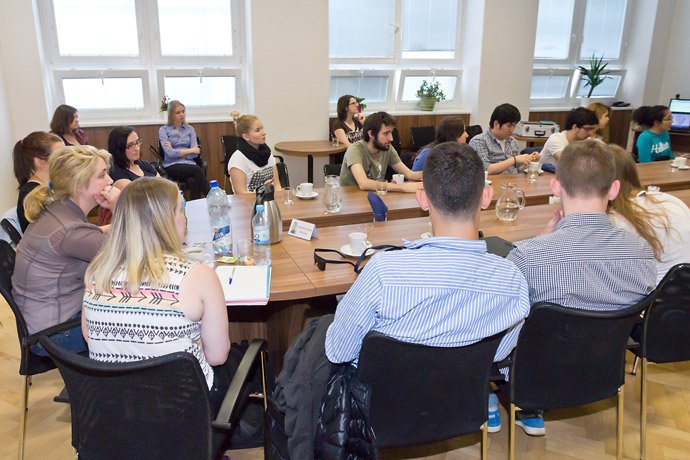
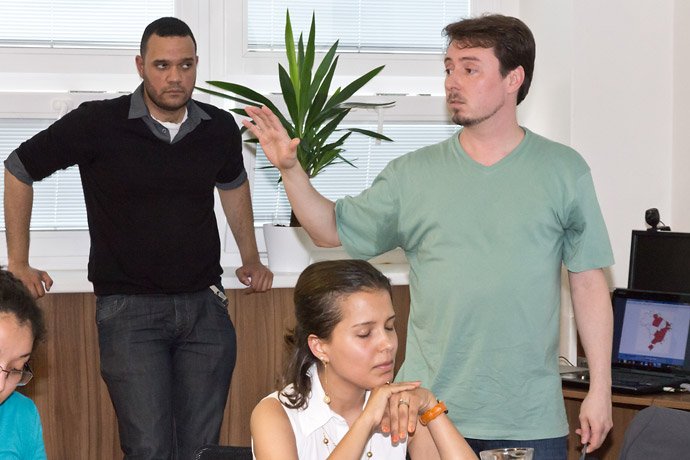
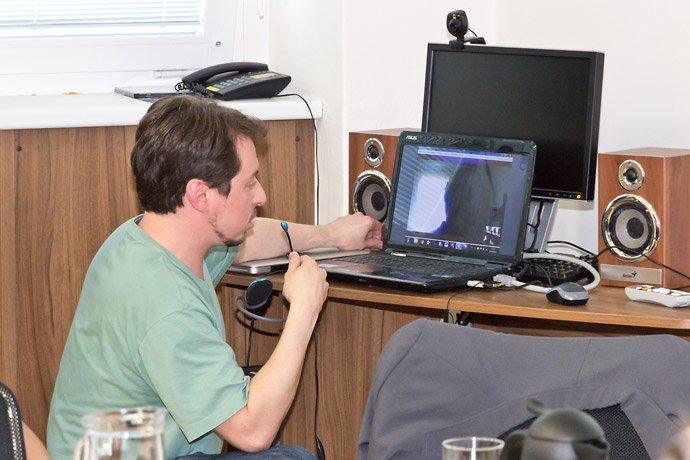
The roundtable brought a number of interesting views and thoughts, also due to the presence as well as online participation of several Brazilians that gave accounts on the history of football in Brazil, the evolution of football clubs, the relevance of politics of last century, the increase in police brutality, the issues related to the poor socio-economic situation in the country, to name a few. Undoubtedly, it has been a very dynamic and refreshing event.
Aktuálně
 Co divák doma nevidí. Studenti MUP usedli do publika Zuperdebaty na CNN Prima News
9. 10. 2026 Autor: Barbora Vošahlíková
Jedinečnou příležitost nahlédnout do televizního vysílání z bezprostřední blízkosti dostali studenti Metropolitní univerzity Praha. Ve středu 30. září se na pozvání CNN Prima NEWS zúčastnili jako publikum předvolební Zuperdebaty, ve které se utkali mladí političtí kandidáti do 30 let, tedy zástupci generace Z.
Co divák doma nevidí. Studenti MUP usedli do publika Zuperdebaty na CNN Prima News
9. 10. 2026 Autor: Barbora Vošahlíková
Jedinečnou příležitost nahlédnout do televizního vysílání z bezprostřední blízkosti dostali studenti Metropolitní univerzity Praha. Ve středu 30. září se na pozvání CNN Prima NEWS zúčastnili jako publikum předvolební Zuperdebaty, ve které se utkali mladí političtí kandidáti do 30 let, tedy zástupci generace Z.
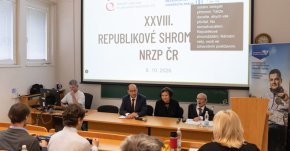 Metropolitní univerzita Praha hostí 28. republikové shromáždění NRZP ČR
8. 10. 2026 Autor: redakce
Je nám potěšením, že Metropolitní univerzita Praha spolupořádá ve svých prostorách 28. republikové shromáždění Národní rady osob se zdravotním postižením ČR (NRZP ČR).
Metropolitní univerzita Praha hostí 28. republikové shromáždění NRZP ČR
8. 10. 2026 Autor: redakce
Je nám potěšením, že Metropolitní univerzita Praha spolupořádá ve svých prostorách 28. republikové shromáždění Národní rady osob se zdravotním postižením ČR (NRZP ČR).
 Studenti MUP s Miss World a příšerkami vyráží do škol zlepšit finanční gramotnost
7. 10. 2026 Autor: Dominik Stroukal
Jak zábavnou formou přiblížit dětem a mladým lidem svět financí? O to se snaží vzdělávací aplikace Money Monsters, za kterou stojí ekonom a garant studijního programu Digitální ekonomika na MUP dr. Dominik Stroukal a Miss World Krystyna Pyszková.
Studenti MUP s Miss World a příšerkami vyráží do škol zlepšit finanční gramotnost
7. 10. 2026 Autor: Dominik Stroukal
Jak zábavnou formou přiblížit dětem a mladým lidem svět financí? O to se snaží vzdělávací aplikace Money Monsters, za kterou stojí ekonom a garant studijního programu Digitální ekonomika na MUP dr. Dominik Stroukal a Miss World Krystyna Pyszková.