

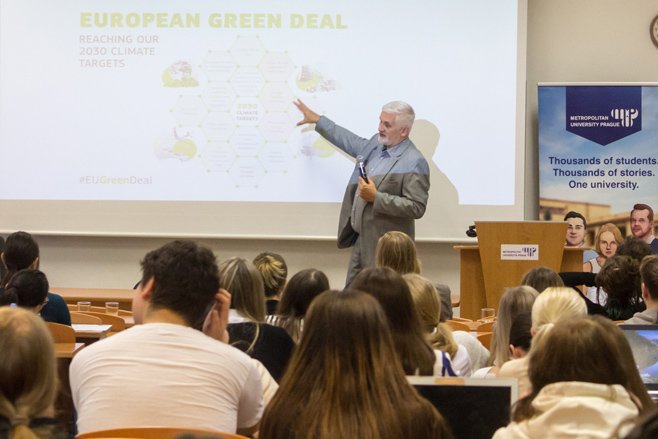
Discussing Central Europe and Climate Change – Overachievers or Laggards?
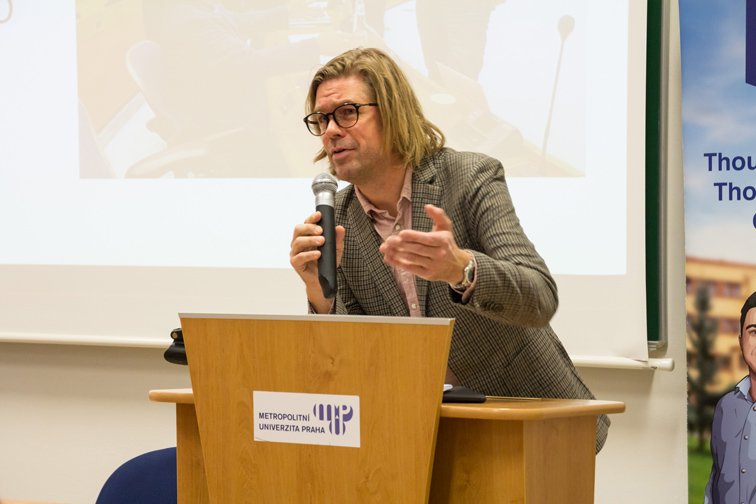
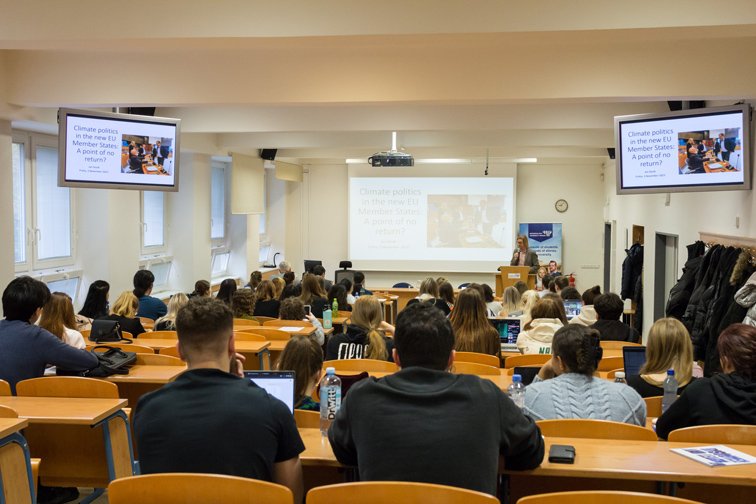
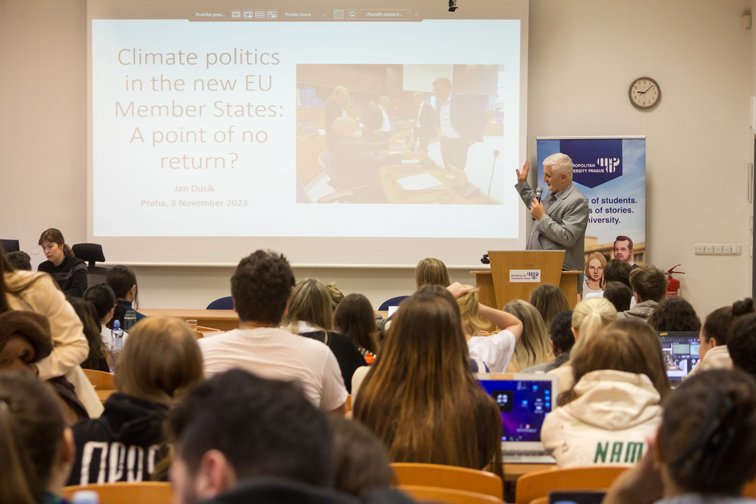
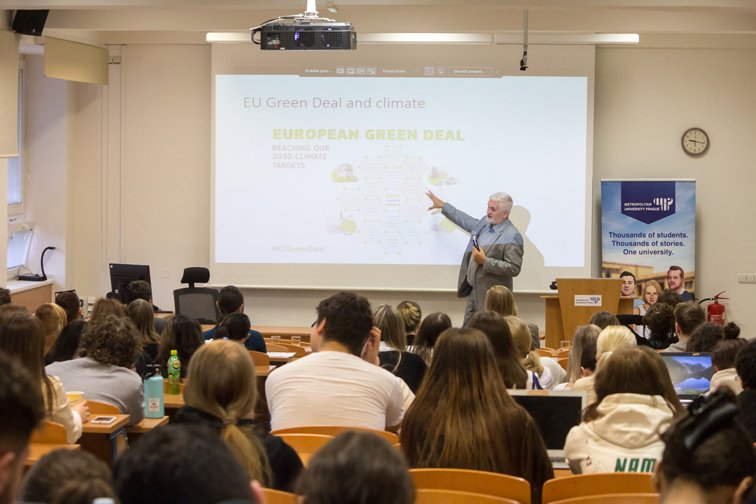
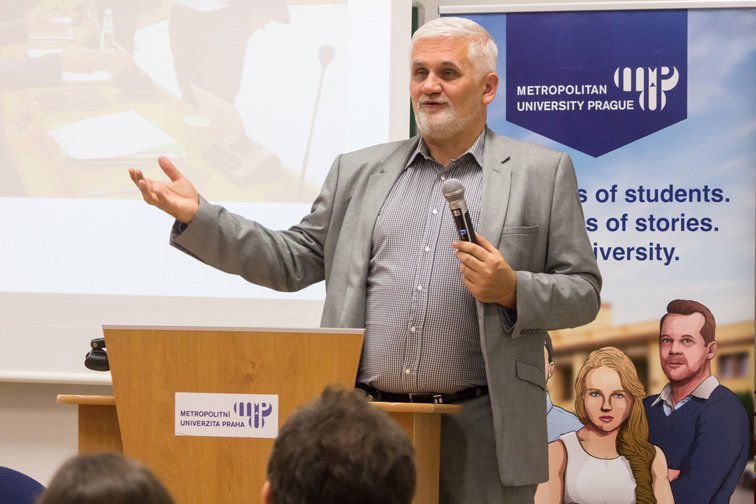
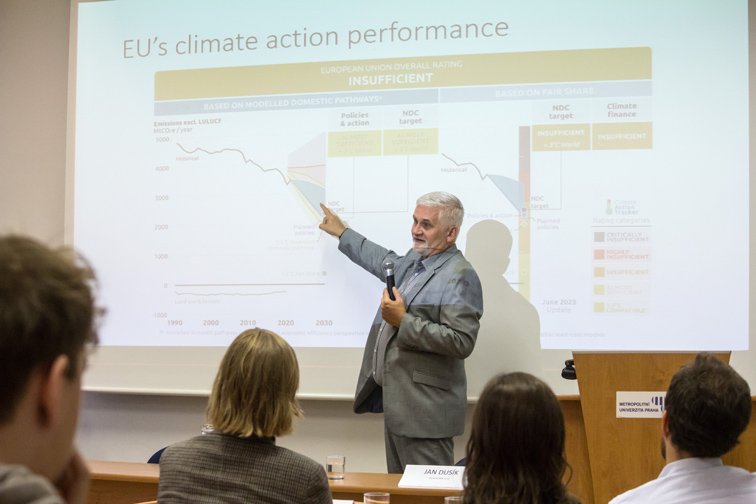
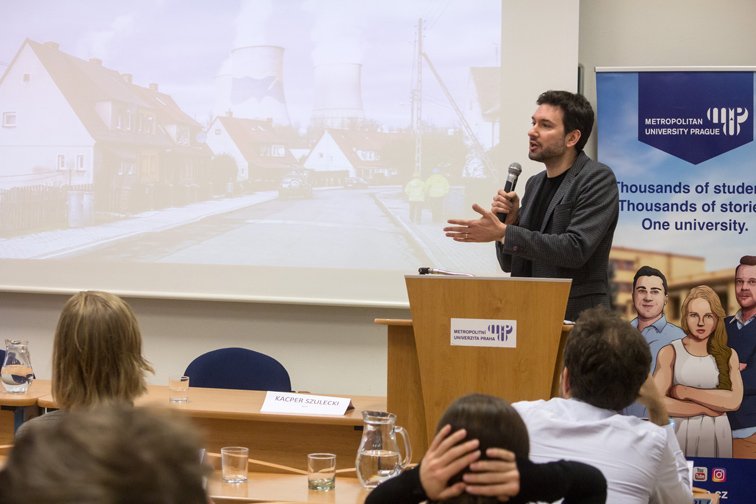
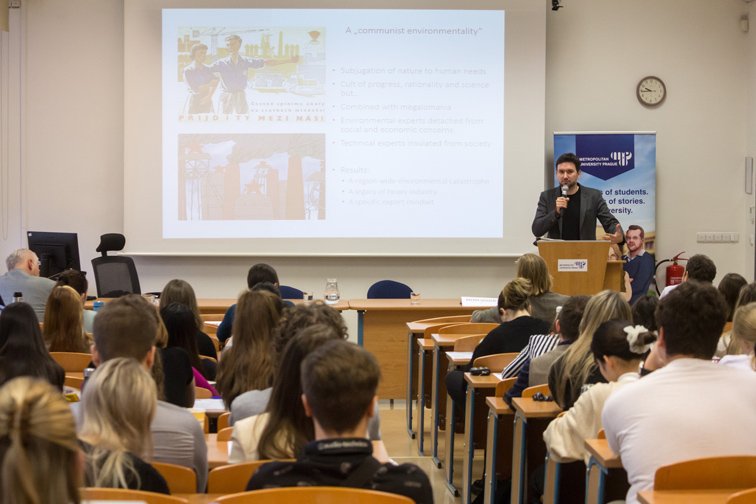
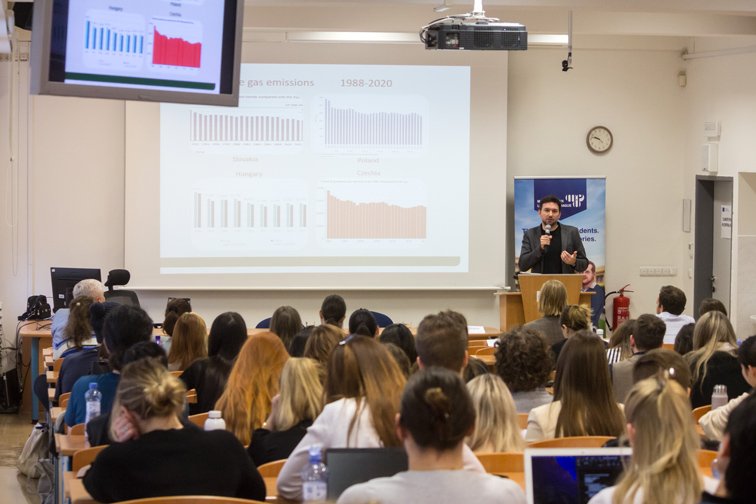
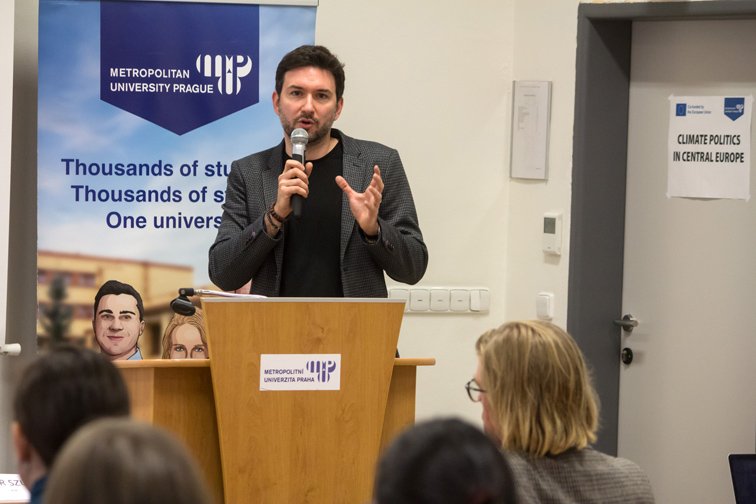
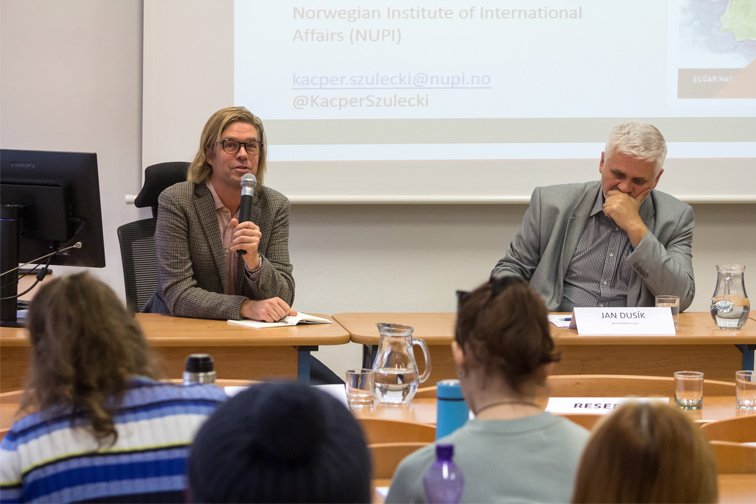
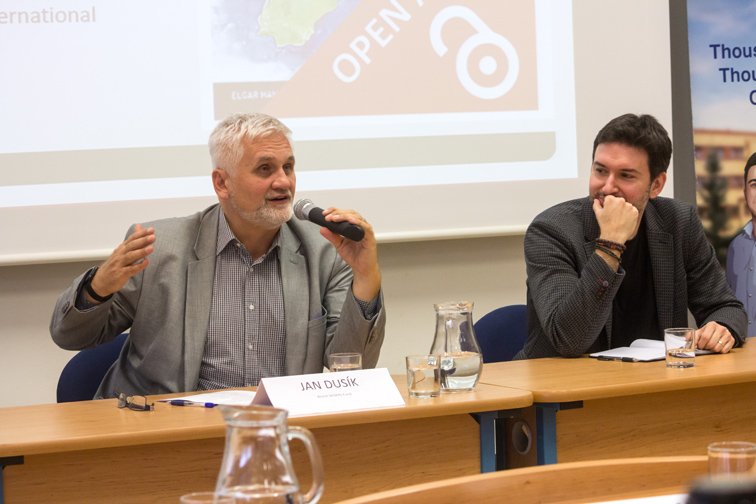
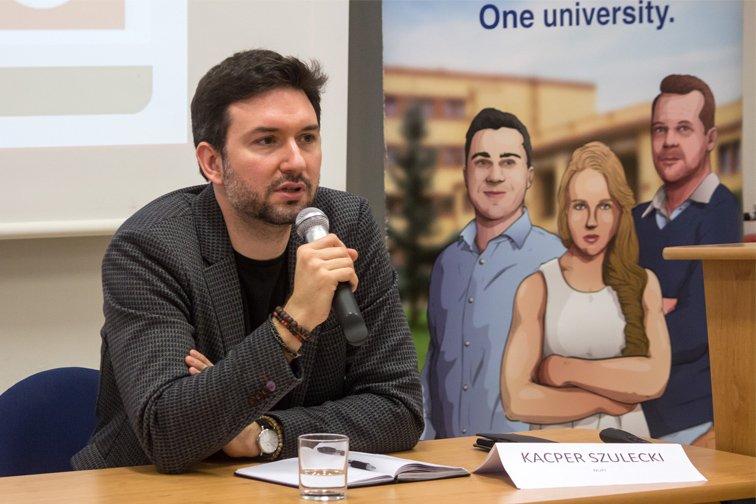
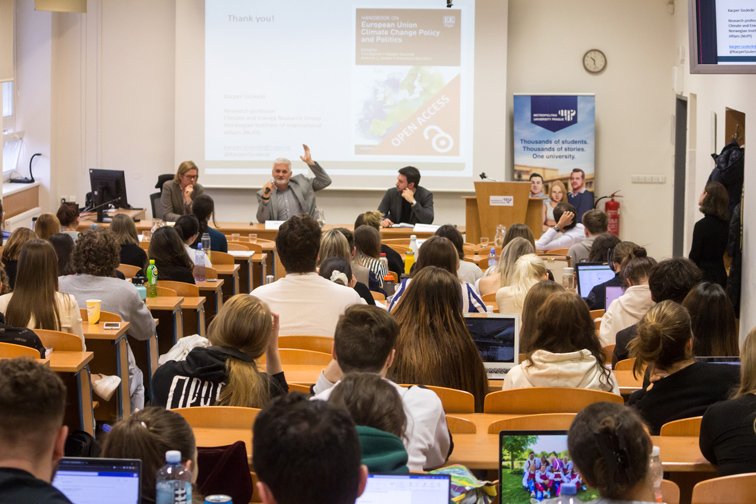
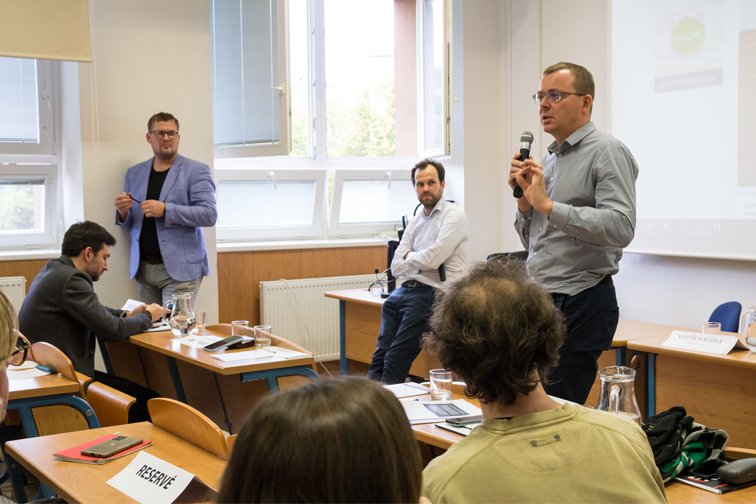
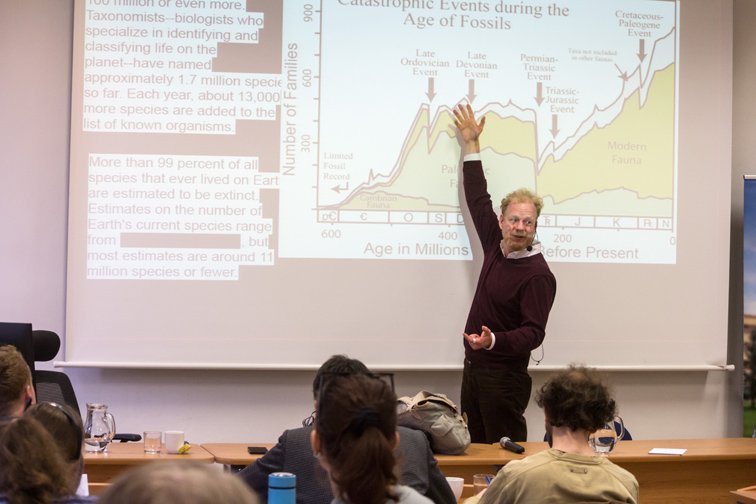
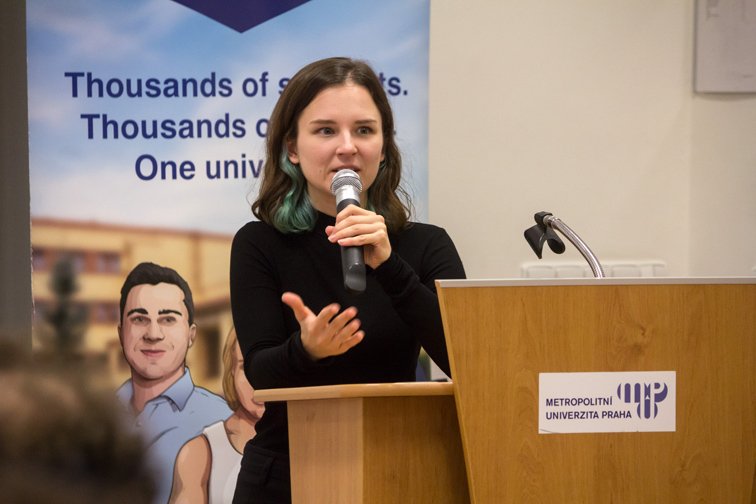
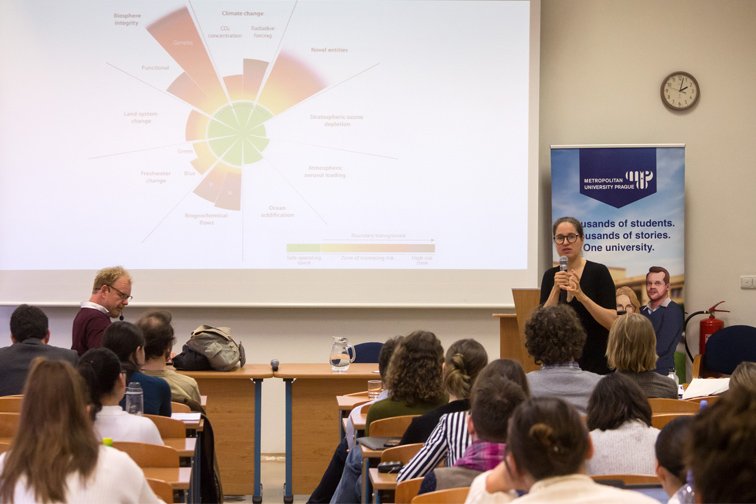
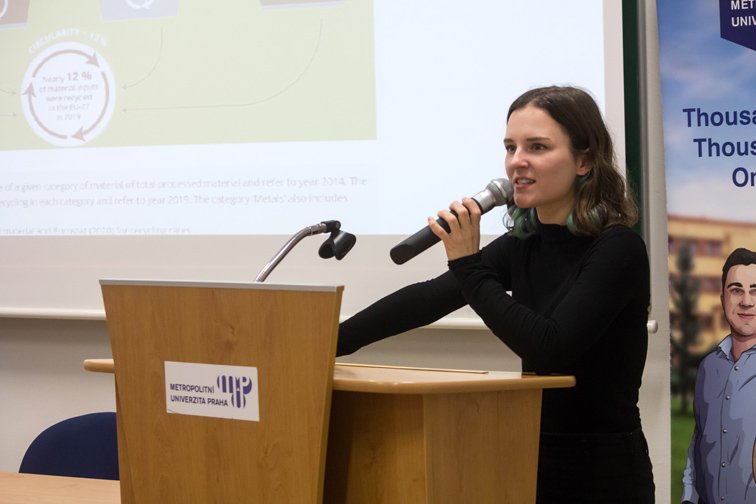
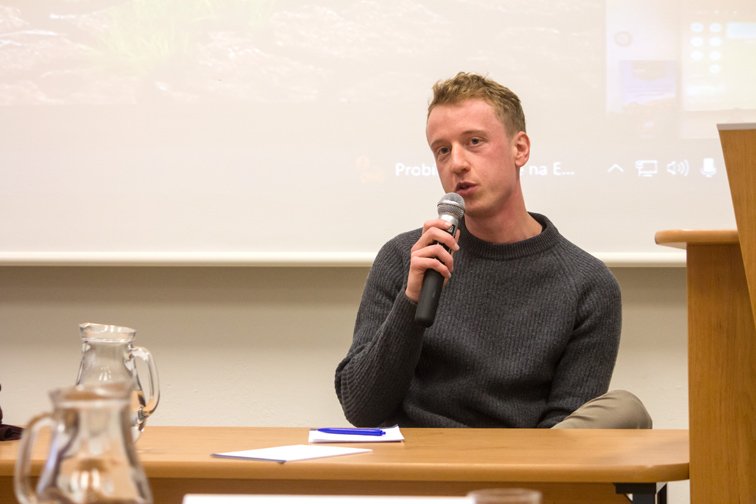
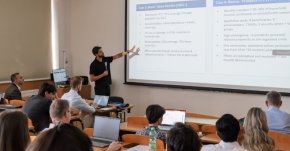
10. 11. 2023 Author: Michal Kolmaš Several recognized experts and policymakers came to the Metropolitan University Prague to discuss the politics of climate change in Central Europe. Conference held within the Jean Monnet Chair program attracted over a hundred of students and produced some tantalizing discussions.The conference hosted three panels. First speech of the initial, keynote, panel was delivered by a former Czech Minister of Environment and a head of the European office of the United Nations Environmental Program Jan Dusík. The seasoned environmental diplomat defined Czech position within the United Nations climate regime and gave fascinating insights from high-class environmental negotiations. Dusík was followed by Kacper Szulecki, a Professor from the renowned Norwegian Institute of International Affairs (NUPI). Szulecki showed why Central European countries’ emission reduction ambitions are not sufficient, and discussed the possible and achieveable roads to decarbonization in the region. The two presentations were followed by a vivid discussion.
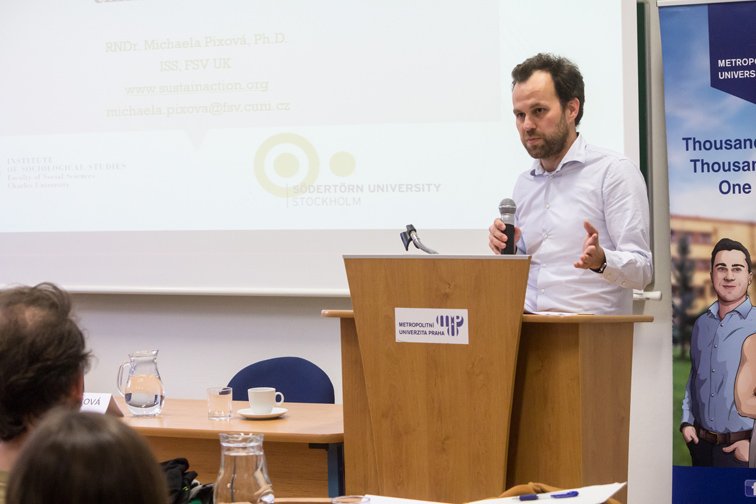
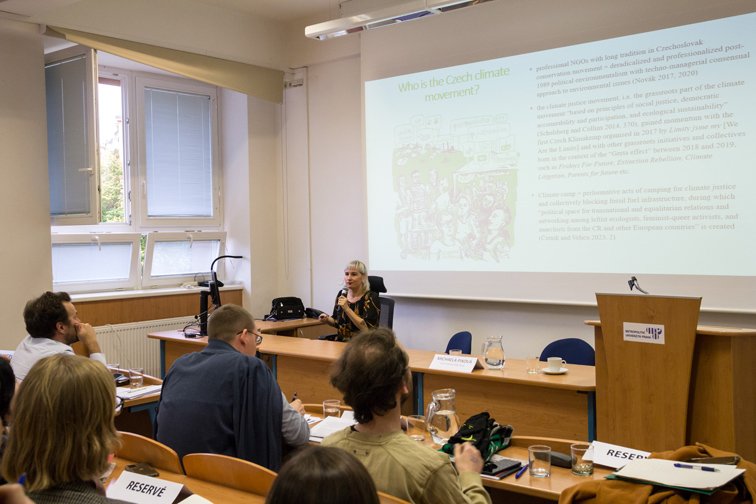
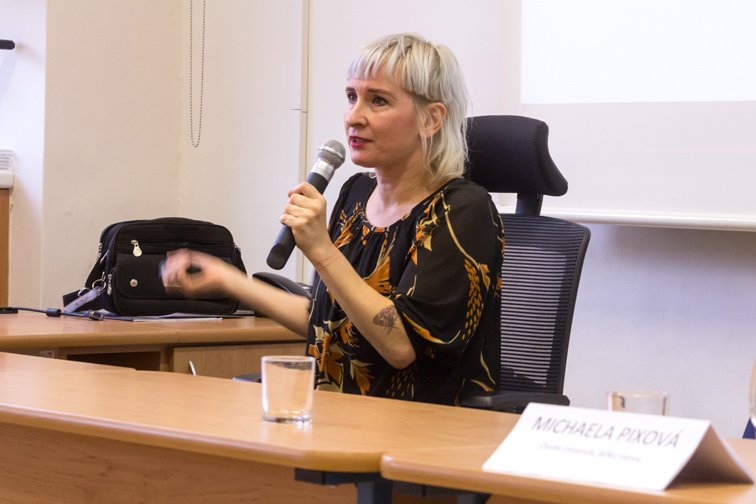
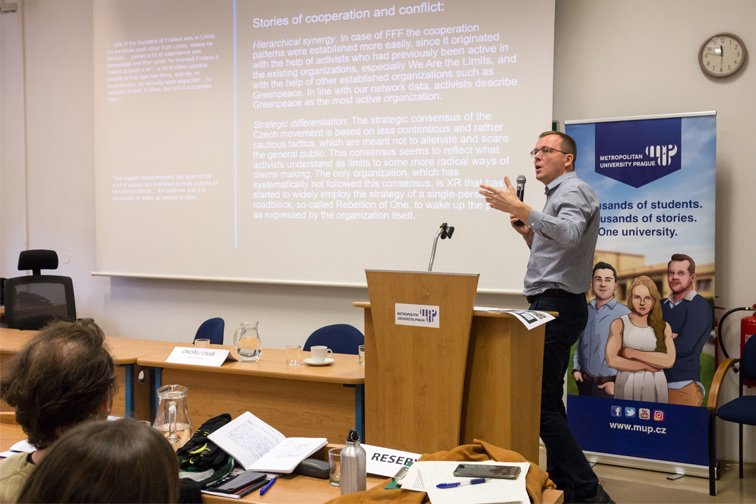
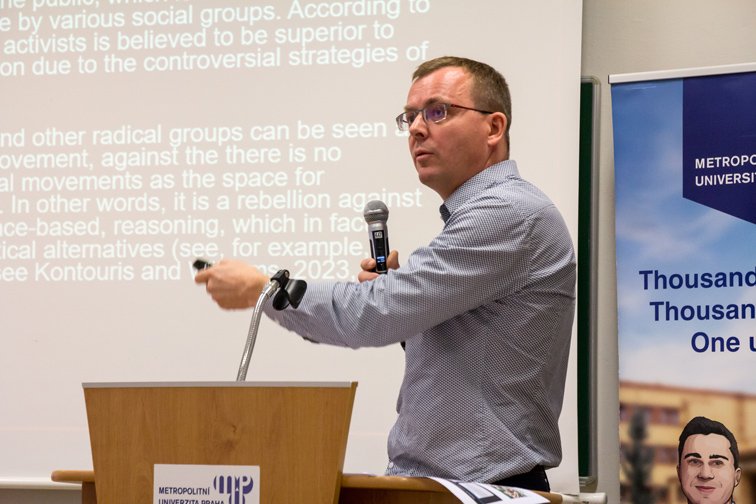
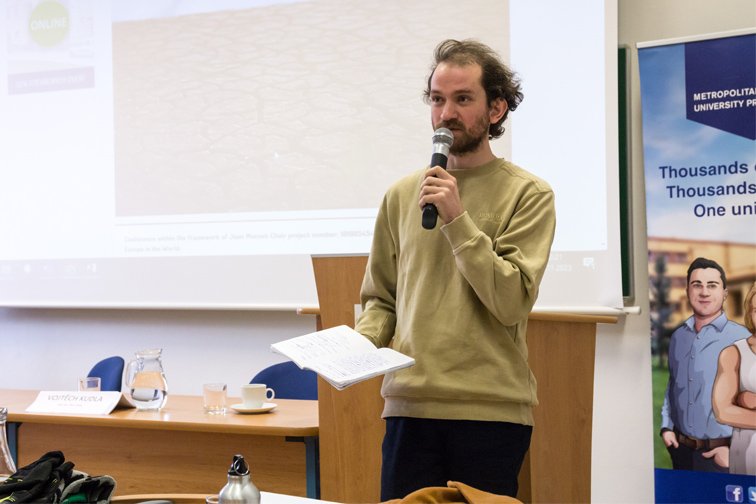
The second panel was focused on the various modes of public engagement and climate activism. There were four speeches delivered by dr. Michaela Pixová (FSV UK, Boku Vienna), prof. Ondřej Císař (FSV UK), Milan Vítek (Greenpeace) and Vojtěch Kudla (We are the limits). The first two presentations were centered on Czech climate movements, their inclusiveness and (the lack of) heterogeneity, the differences and similarities between the “old” organizations such as Greenpeace, and the “new”, more radical ones, including Extinction rebellion and Fridays for Future. The latter two speeches introduced practical experience of climate movements insiders, again followed by a vivid discussion.
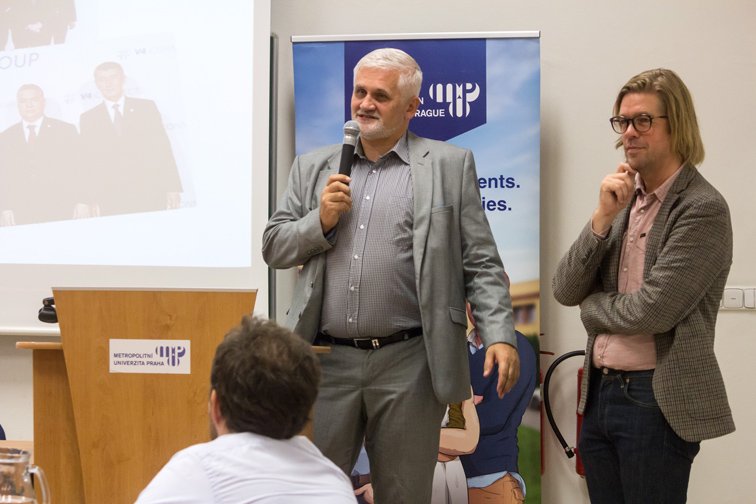
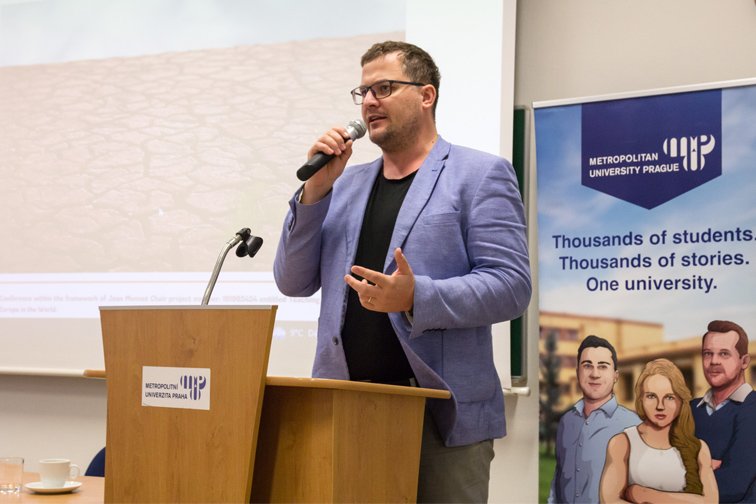
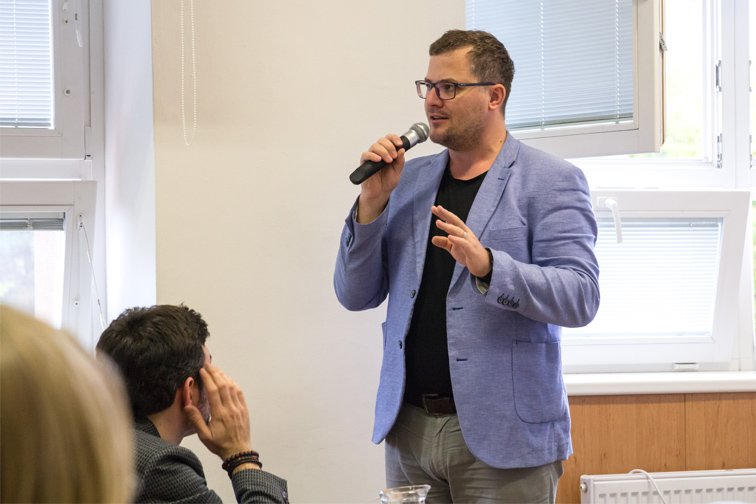
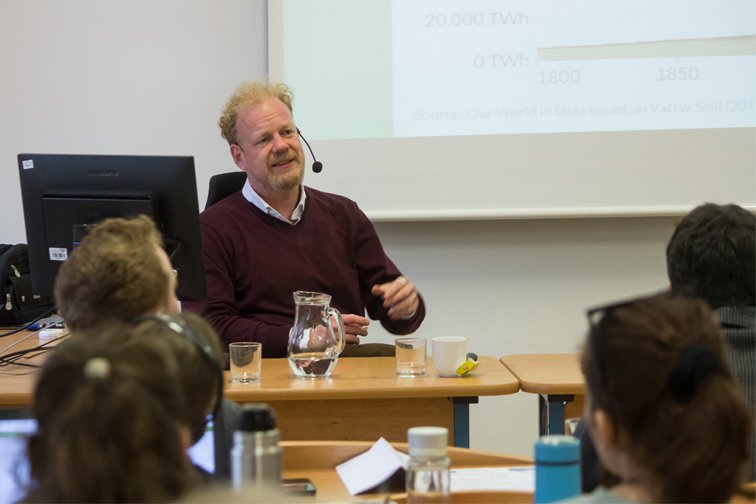
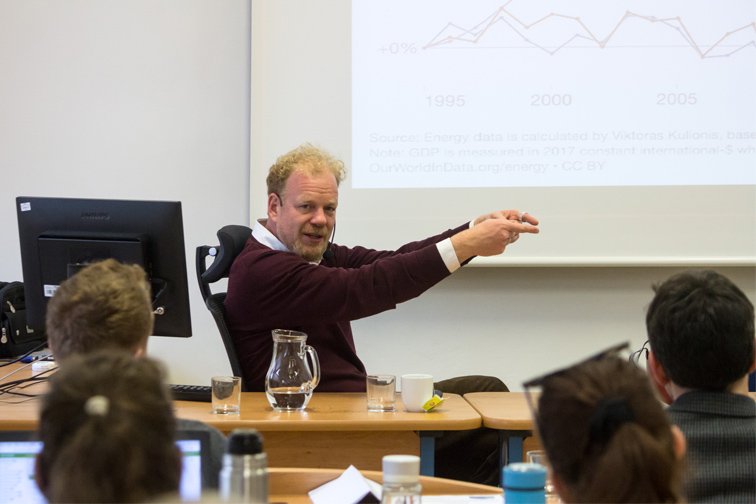
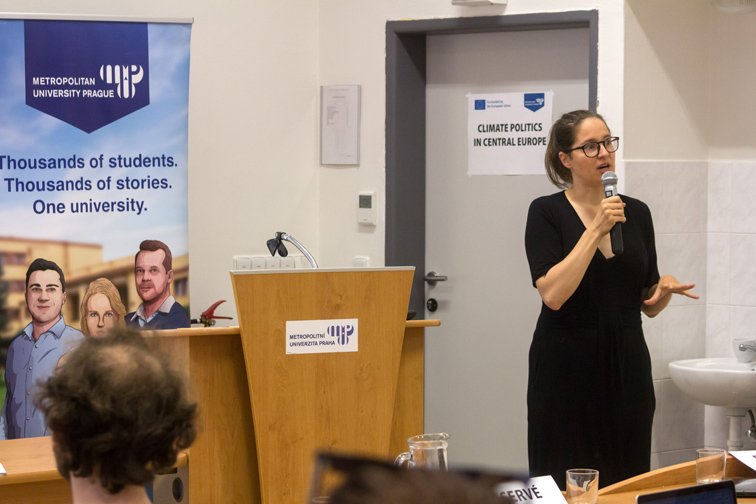
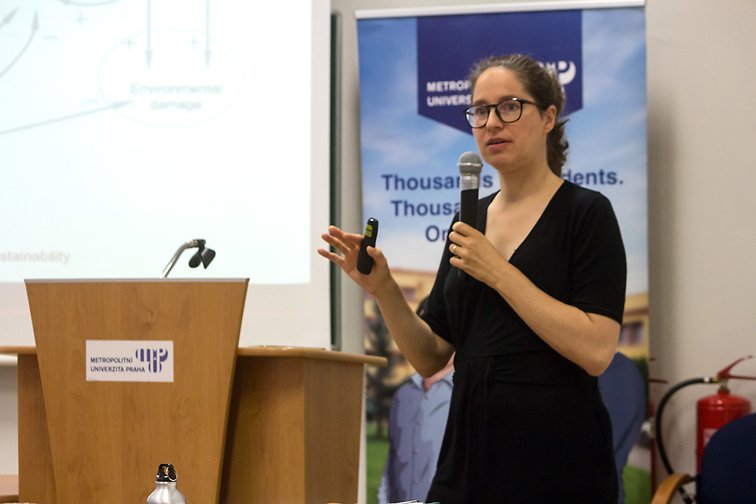
The last panel hosted three economists with a differing approach to climate economy. Tomáš Sedláček (MUP) started the panel by arguing that capitalism is better suited to tackle climate change than communism. Anna Kárníková (Hnutí Duha) countered that this distinction is outdated and does not bring any benefit into the discussion, and instead argued that only a reduced material production can slow down heating of the planet and other related problems. Pavel Zedníček, the CEO of Incien (Institute for Circular Economy) advocated for a middle-ground between the two, and argued that there are achievable, albeit perhaps not so radical, steps that can be done immediately. The three speeches were followed by a heated discussion, which continued even after the panel was over and crowds dispersed.
Other items from the/this section
 International Staff Week in Sarajevo
Last week, our colleagues from the International Office participated in the International Staff Week hosted by International Burch University in Sarajevo.
International Staff Week in Sarajevo
Last week, our colleagues from the International Office participated in the International Staff Week hosted by International Burch University in Sarajevo.
 Metropolitan University Prague's Fleet Cruised the Waters of the Vltava
How should a university celebrate its twenty-fifth anniversary? What better way to mark the occasion than with a fleet of MUP steamboats cruising along the Vltava, offering panoramic views of Old Prague, Charles Bridge, Vyšehrad and other landmarks? That would certainly be something special. And that is exactly what happened!
Metropolitan University Prague's Fleet Cruised the Waters of the Vltava
How should a university celebrate its twenty-fifth anniversary? What better way to mark the occasion than with a fleet of MUP steamboats cruising along the Vltava, offering panoramic views of Old Prague, Charles Bridge, Vyšehrad and other landmarks? That would certainly be something special. And that is exactly what happened!
 Globalization, Illicit Trade, Sustainability and Security COST Action
MUP hosted the Globalization, Illicit Trade, Sustainability and Security (GLITSS) COST Action Final Book Workshop from 18–20 May 2026 at Metropolitan University Prague.
Globalization, Illicit Trade, Sustainability and Security COST Action
MUP hosted the Globalization, Illicit Trade, Sustainability and Security (GLITSS) COST Action Final Book Workshop from 18–20 May 2026 at Metropolitan University Prague.