

27/03/2013 - Is Turkey Still Interested in the EU?
The roundtable discussion organized by the Center for Middle Eastern Studies (CMES) on “Is Turkey still interested in the EU?” which was given by Dr. Lucia Najšlová from the Europeum Institute for European Policy in Prague drew attention of many students who attended the event on Wednesday, March 27, 2013.Dr. Najšlová gave a very interesting and interactive talk to which students responded by many comments and questions. Given the nature of the topic, that is, EU-Turkey relations, Turkish students who attended the event in large numbers had many things to say about the subject as it pertains to them personally. It was very interesting to receive their feedback. Dr. Najšlová gave a brief outline of the history of the problematic relations between Turkey and the EU and focused on benefits which membership of Turkey in the Union may bring to both sides. She brought the topic up-to-date by arguing that the EU in 2013 is a very different Union than when, for instance, the Czech Republic joined it in 2004. She argued that Turkey implemented many economic, political and social reforms as part of its accession process but she stressed that negotiations between Turkey and the EU have been halted and no chapters have been closed since 2006. However, she emphasized that Turkish elites are still committed to their membership in the Union for economic and geopolitical reasons. Dr. Najšlová also pointed out to the fact that with the outbreak of the revolutions in the Middle East, the EU is more aware of the role Turkey can play in helping to resolve the conflict in Syria and that neither the EU (nor the USA, for that matter) can do it alone and that more cooperation between Turkey and the EU is therefore likely to occur in the future.
 Photo Gallery
Aktuálně
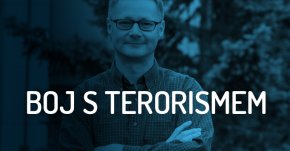 Co odlišuje terorismus od jiných forem násilí
16. 8. 2026 Autor: redakce
Prof. Oldřich Bureš z Katedry mezinárodních vztahů a evropských studií se zúčastnil zajímavé diskuze, respektive natáčení dílu podcastu 10:35 na téma Co odlišuje terorismus od jiných forem násilí. Společně s Vojtěchem Šimákem a Petrem Mlejnkem byly diskutovány soudobé i historické aspekty terorismu.
Co odlišuje terorismus od jiných forem násilí
16. 8. 2026 Autor: redakce
Prof. Oldřich Bureš z Katedry mezinárodních vztahů a evropských studií se zúčastnil zajímavé diskuze, respektive natáčení dílu podcastu 10:35 na téma Co odlišuje terorismus od jiných forem násilí. Společně s Vojtěchem Šimákem a Petrem Mlejnkem byly diskutovány soudobé i historické aspekty terorismu.
 Elektrizující atmosféra a plný klub: MUP Night zakončila školní rok ve velkém stylu
27. 6. 2026 Autoři: Dominik Borek, Sebastian Szaban
The end of the school year party se uskutečnila v klubu The Pitch a proběhla ve skvělé atmosféře plné hudby, zábavy a dobré nálady.
Elektrizující atmosféra a plný klub: MUP Night zakončila školní rok ve velkém stylu
27. 6. 2026 Autoři: Dominik Borek, Sebastian Szaban
The end of the school year party se uskutečnila v klubu The Pitch a proběhla ve skvělé atmosféře plné hudby, zábavy a dobré nálady.
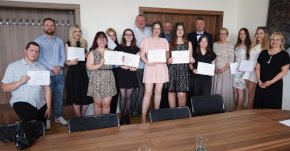 Profesní certifikáty GSA v oblasti marketingu leteckých společností a destinačního managementu
23. 6. 2026 Autor: Nora Dolanská
Slavnostním předáním certifikátů studentům, kteří absolvovali kurz pro General Sales Agenty v oblasti marketingu leteckých společností a destinačního managementu, letos poprvé vyvrcholila doplňková výuka bakalářského i magisterského studia na Katedře cestovního ruchu.
Profesní certifikáty GSA v oblasti marketingu leteckých společností a destinačního managementu
23. 6. 2026 Autor: Nora Dolanská
Slavnostním předáním certifikátů studentům, kteří absolvovali kurz pro General Sales Agenty v oblasti marketingu leteckých společností a destinačního managementu, letos poprvé vyvrcholila doplňková výuka bakalářského i magisterského studia na Katedře cestovního ruchu.